The Ultimate Eco-Friendly Fall Kitchen Adventure
Fall is all about cozy sweaters, vibrant leaves, and—most importantly—pumpkins! While carving jack-o’-lanterns is a classic tradition, roasting a whole pumpkin is a culinary adventure that yields incredible results. Fresh pumpkin purée is worlds apart from the canned version—sweeter, more fragrant, and incredibly velvety. Plus, by using the flesh for purée and the seeds for snacks, you’re practicing zero-waste cooking that’s as eco-friendly as it is delicious.
Why Roast Your Own Pumpkin?
- Superior Flavor: Roasting caramelizes the natural sugars, creating a depth of flavor you just can’t get from a can.
- Nutrient Powerhouse: Pumpkins are loaded with fiber, Vitamin A, and antioxidants. Roasting at home keeps those nutrients intact.
- Zero Waste: Use the flesh for pies or soups, and follow our guide for Toasted Pumpkin Seeds to ensure no part goes to waste.
- Cost-Effective: One small “pie pumpkin” can provide several cups of purée for a fraction of the cost of multiple cans.
What You’ll Need
- 4–6 Pound Sugar or Pie Pumpkin: These are smaller, denser, and sweeter than the large carving pumpkins (which are often too watery for baking).
- Maple Syrup: To coat the inside and encourage caramelization.
- Cinnamon & Sea Salt: To bring out those warm, cozy autumn notes.
How to Roast and Purée
- The Prep: Preheat your oven to 400°F. Carefully cut a 2-inch hole around the stem and remove the “lid.”
- The Scoop: Use a sturdy spoon to scrape out the seeds and stringy pulp.Tip: Don’t toss the seeds! Rinse them in a colander and set them aside for toasting later.
- The Flavor: Pour the maple syrup inside the pumpkin and swirl it around until the interior flesh is coated. Sprinkle in the cinnamon and a pinch of salt.
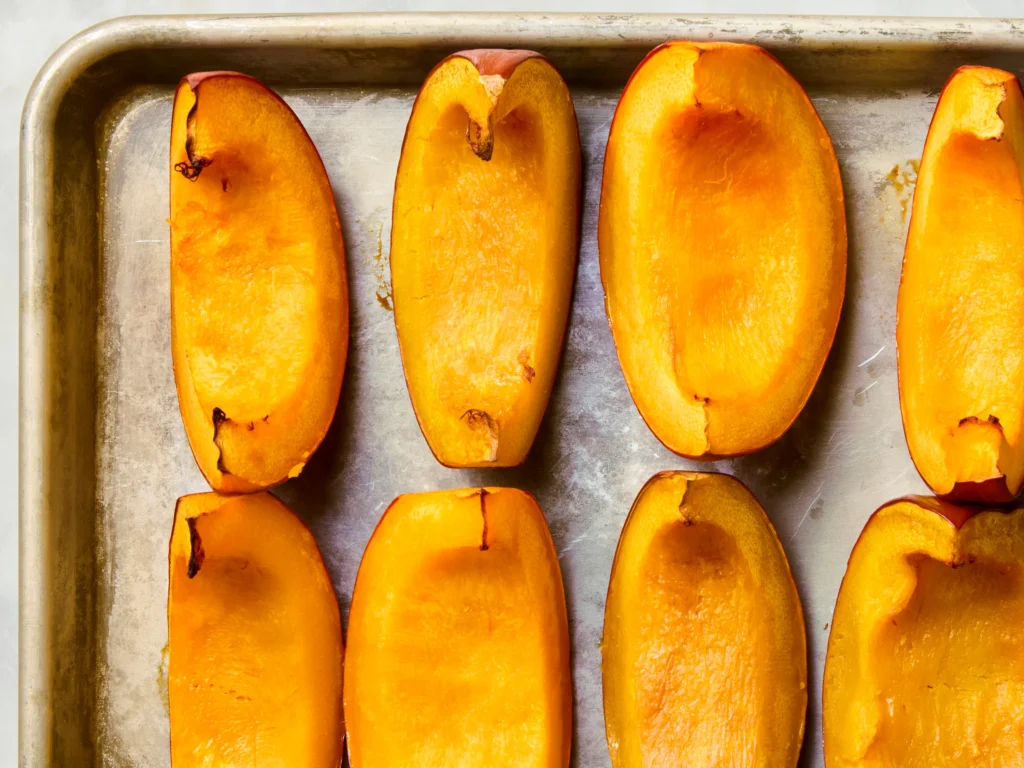
- The Roast: Place the pumpkin on a baking sheet and roast for 40 minutes. Then, place the “lid” back on and roast for another 20 minutes (or until the flesh is fork-tender).
- The Purée: Once cool, scoop the soft flesh into a food processor. Blend until smooth, adding a tablespoon of water only if necessary to help it move.
Get the Kids Involved: The “Pumpkin Swirlers”
Roasting a whole pumpkin is a tactile, sensory experience that kids find fascinating.
- Ages 3–5: Let them be the “Seed Washers.” They can help rinse the “guts” off the seeds in the sink—it’s squishy, messy fun!
- Ages 6–9: Have them help swirl the syrup. Let them pour the maple syrup inside and help you tilt the pumpkin (with two hands!) to coat the walls.
- Ages 10+: Let them lead the “Purée Processing.” Show them how to safely scoop the cooked pumpkin and pulse the food processor until it becomes “orange gold.”
Make It Your Own
- Savory Swap: Skip the syrup and cinnamon. Use olive oil, salt, and garlic powder for a pumpkin base that’s perfect for savory soups or pasta sauce.
- The “Fork Test”: Every pumpkin is different. Start checking for doneness at the 50-minute mark; if a fork slides into the flesh like butter, it’s ready.
- Storage: Fresh purée lasts up to one week in the fridge. For longer storage, freeze it in 1-cup portions in freezer bags for up to 3 months.
- Variety is Key: If you can’t find a sugar pumpkin, look for “Hokkaido” or “Red Kuri” pumpkins—they roast beautifully and have an almost chestnut-like flavor.
Serve & Savor
Your fresh purée is now ready for Pumpkin Mac and Cheese, Pumpkin Pie Parfaits, or even a simple Baby Food Purée.
Print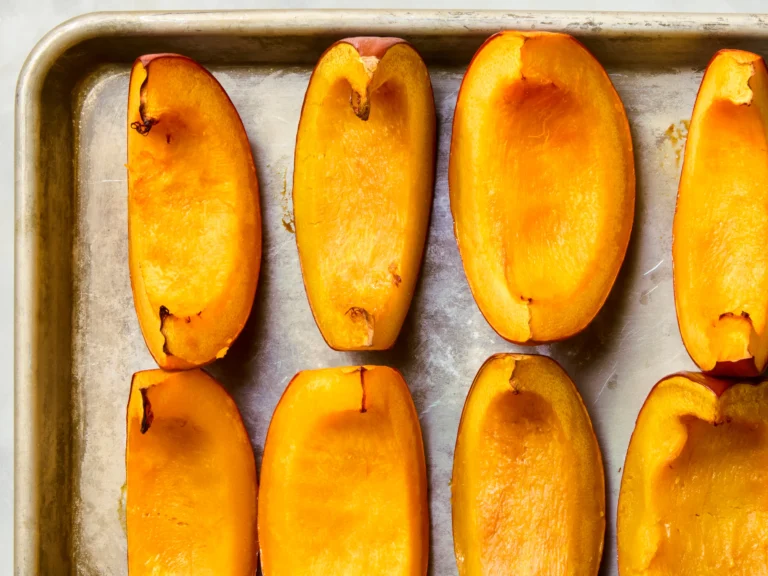
How to Roast a Whole Pumpkin (& Make Purée)
Roasting concentrates natural sugars through caramelization and reduces water content, producing a deeper, more stable purée than canned alternatives. This method also yields usable seeds for toasting.
- Total Time: 1 hour 15 minutes
- Yield: About 4 cups
Ingredients
-
1 (4–6 lb) sugar or pie pumpkin
-
2 tablespoons maple syrup
-
1 teaspoon cinnamon
Instructions
1. Preparation
Preheat oven to 400°F (200°C).
Using a sharp chef’s knife, cut a 2-inch diameter opening at the top and remove the lid.
2. Seed Removal
Scoop out seeds and stringy pulp.
Rinse seeds in a colander and remove excess fibers. Set aside for roasting separately.
3. Flavoring
Pour maple syrup inside the cavity and rotate pumpkin to coat interior flesh.
Sprinkle cinnamon evenly inside.
4. Roast (Two-Stage Method)
-
Place pumpkin (without lid) on a baking sheet.
Roast 40 minutes. -
Replace the lid and continue roasting 20 minutes, or until flesh is fork-tender.
5. Cool & Purée
Allow pumpkin to cool until safe to handle.
Scoop flesh into a food processor and blend until smooth.
If needed, add water 1 tablespoon at a time to reach desired consistency.
Selecting the Right Pumpkin
Sugar Pumpkin (also called pie pumpkins) are optimal:
-
2–6 pounds
-
Sweeter flavor
-
Dense, smooth flesh
-
Lower water content
Avoid large carving pumpkins; they are fibrous and less flavorful.
Notes
Storage Protocol
-
Refrigeration: Airtight container, up to 1 week
-
Freezing: Portion and freeze up to 3 months
Roasted pumpkin purée is suitable for pies, soups, quick breads, sauces, or savory applications where concentrated flavor is desired.
- Prep Time: 15 minutes
- Cook Time: 1 hour
- Category: Basics
- Cuisine: American