


You can find all of our BONUS Educational Cooking Activities & Holiday Recipes right here!
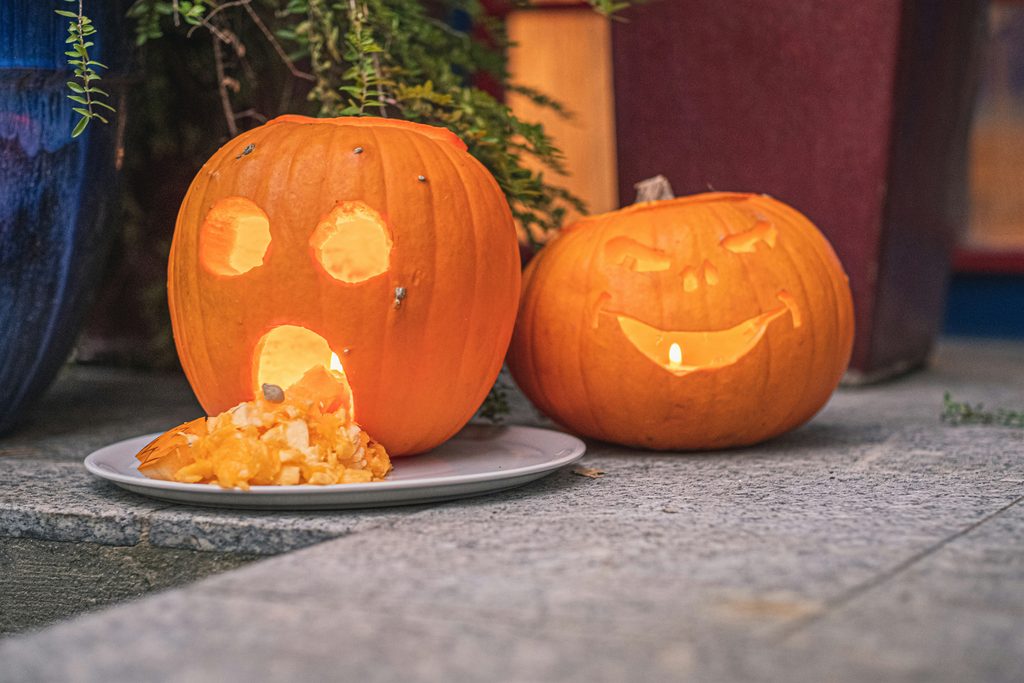
Carving night has a predictable flow. The lid comes off the pumpkin, someone is up to their elbows in pumpkin announcing that it’s disgusting, and the seeds end up in a slippery pile on the newspaper. Usually that pile goes in the trash, because by then it’s past bedtime and nobody has energy for one more thing.
This activity keeps the seeds around a little longer, and that’s about it. Before the pumpkin gets opened, everyone guesses how many seeds are inside. Then you scoop them out, float them clean, count them, and roast them three different ways. You’re already making the mess. This turns part of it into a snack and a bit of real-life math.
There’s nothing extra to buy, and nothing has to go perfectly. If the count falls apart somewhere around 200, that’s fine. If the seeds wait in the fridge until tomorrow, that’s fine too. Here’s how to set up the lab.
🎃 Pumpkin Guts Lab: Guess, Count & Roast the Seeds
Click the button below for a downloadable PDF worksheet for the Pumpkin Guts Lab, and read on to set up the activity.
Tools You’ll Need:
- A big spoon or ice cream scoop
- A large bowl of water
- A clean dish towel or paper towels
- A baking sheet
- A muffin tin or a few paper cups for sorting (optional)
- Paper and a pencil, or the worksheet (optional)
Ingredients:
- A pumpkin (a big carving pumpkin or a small pie pumpkin, whatever you have)
- Oil and salt, plus two other seasonings (cinnamon sugar and chili powder or smoked paprika work well)
Use any seasonings your family likes. The pumpkin you were already carving is the whole “specialty ingredient.”
Learning Goals
Math and a snack, from the part of the pumpkin you’d normally throw out.
- Kids make a real guess and then find out how close they got. A big number feels different when it’s sitting on the counter in front of you.
- They count by sorting seeds into piles of ten, which makes a few hundred seeds manageable and shows them why we group things that way in the first place.
- They watch heat change the seeds: pale and slippery going into the oven, dry and golden and crunchy coming out.
- They get a lot to touch and smell. Stringy, slimy, cold pulp on one end, toasty seeds on the other. Kids who won’t go near the guts often still want to sort the seeds.
You don’t need to count every seed for this to count. A guess and one counted handful is plenty. It’s math, but mostly it’s a snack.
Age Modifications
Younger Kids (Preschool–Kindergarten):
- Let them scoop and squish. Describing how the guts feel is a whole activity on its own.
- Drop seeds into the water and watch them float.
- Count the first ten seeds together, then let them fill one muffin cup.
- Put them in charge of sprinkling one seasoning.
Middle Grade (Elementary):
- Make a guess, count by tens, and figure out how far off the guess was.
- Track color, crunch, and taste for each flavor on the worksheet.
- Vote on the family favorite.
Older Kids (Upper Elementary–Middle School):
- Test the rib rumor: count the lines on the outside, then see whether the seed count matches the prediction. If you’re carving two pumpkins, compare them.
- Try estimating like a scientist: count the seeds in one scoop, count how many scoops it takes to empty the pumpkin, and multiply. How close is that to the real count?
- Pull a seed out at 10 minutes and another at the end, let them cool, and compare color and crunch.
Parent Notes
Carving night is already a lot. If roasting tonight feels like one thing too many, rinse and dry the seeds, put them in a container in the fridge, and roast them tomorrow. You can also stop after the guess and the count, or skip the count and go straight to the seasoning. The kid who refuses to touch the guts can be the official counter or the head of sprinkling. A towel under the bowl of water saves some cleanup, but some cleanup is part of it.
Pumpkin seeds aren’t tree nuts, so this one works for nut-free homes and classrooms. Seed allergies do exist, though, so check before sharing with friends. Whole roasted seeds can be a choking risk for kids under 4, so little ones can scoop, sort, and season while the bigger kids and grown-ups do the eating (or chop the seeds up small first). Knives and the oven stay with an adult.
If you only do one thing: before the lid comes off, have everyone guess how many seeds are inside, then count one handful together. That’s enough.
Activity Flow
- Guess before you cut. Before the lid comes off, ask: “How many seeds do you think are in there?” Write down every guess, including the wild ones. Older kids can count the lines (ribs) running down the outside first. Some people say more lines means more seeds, and tonight you get to test it.
- Scoop and describe. Once an adult has cut the lid, take turns scooping with a spoon or bare hands. Ask: “What does it feel like? What does it smell like?” Slimy, stringy, cold, and gross are all good answers.
- Float the seeds. Dump the guts into the bowl of water and swish it around with your hands. Most of the seeds float up and the stringy pulp sinks, so the seeds are easy to skim off. Ask: “Why do you think the seeds float?” (They’re light for their size, so the water holds them up.)
- Count by tens. Spread the seeds on the towel and pat them dry. Push them into little piles of ten, or drop ten into each muffin cup. Count the piles, add the leftovers, and compare the real number to everyone’s guesses. Who got closest?
- Season three ways. Split the seeds into three bowls. Toss each bowl with a little oil (about 1 teaspoon per cup of seeds) and one seasoning: salt, cinnamon sugar, or chili powder with a pinch of salt. Kids can do all the sprinkling. Spread them on the baking sheet in three sections.
- Roast and watch. Roast at 350°F for about 15 to 25 minutes, stirring once, until they’re golden and rattle when you shake the pan. Small seeds from pie pumpkins finish faster, and the sweet ones can brown first, so peek at that corner. The oven stays with an adult.
- Taste test. Once they’re cool, try each flavor. Ask: “Which is crunchiest? Which surprised you? Which would you make again?” Pick a winner. There’s no right answer, just favorites.