Welcome to Order Up! Our One Potato Interview Series, where we interview chefs, founders, food writers, home cooks, and members of our community about cooking and food – highlighting and sharing the diversity in our world. On Thursday, Americans will gather with family & friends to celebrate Thanksgiving – this is a reminder that Indigenous Americans are still here, and thriving – and November is Native American Heritage Month. This interview includes links to shop from the Tocabe Indigenous Marketplace, supporting Native farmers and producers. Get 15% off with code ONEPOTATO!
At One Potato, we love exploring how food connects us to our roots, our families, and each other—so we couldn’t be more thrilled to introduce you to Ben Jacobs. Ben, a member of the Osage Nation, is the co-founder of Tocabe, a groundbreaking restaurant and marketplace that’s redefining American Indian cuisine. His journey is all about blending tradition with innovation, and we can’t wait for you to hear his story.
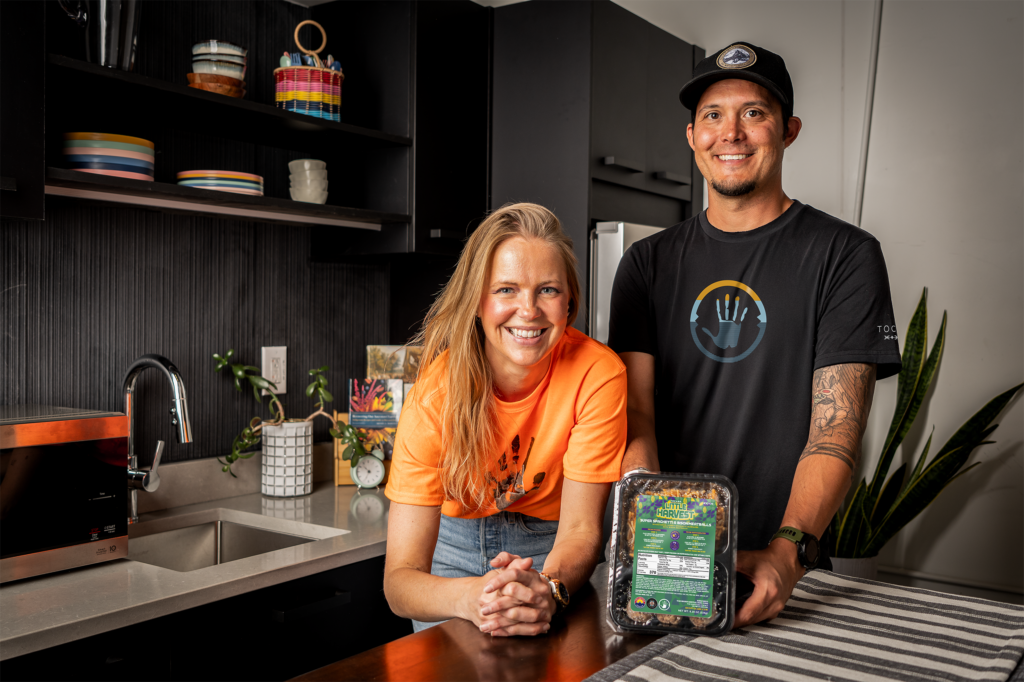
Ben’s work at Tocabe, which he started with his business partner Matt Chandra in 2008, celebrates Native foods in the most incredible way. What began as a restaurant inspired by his family’s Denver eatery, Grayhorse: An American Indian Eatery, has grown into a nationally recognized brand. Tocabe doesn’t just serve delicious meals—it’s rooted in honoring Indigenous ingredients and supporting Native farmers through its Indigenous Marketplace. For One Potato readers, Ben and Tocabe are offering 15% off at Tocabe Indigenous Marketplace with code ONEPOTATO:
What really inspires us is how Tocabe puts community first AND focuses on inclusive food systems – starting with healthy and happy kids. From their Direct-to-Tribe Ready Meal program for Indigenous families to their Harvest Meals™ and Little Harvest™ meals bringing Native flavors to broader audiences, Ben and his team are making Native flavors accessible while fostering sustainability and food sovereignty. It’s a perfect blend of heritage, innovation, and heart—and something we think One Potato readers will connect with deeply.
Join us as we chat with Ben about Tocabe’s journey, his Osage roots, and how he’s using food to bring people together while preserving culture. This is a story about more than just meals—it’s about history, community, and the power of sharing food.

Introduce Yourself: My name is Ben Jacobs, and I’m the co-founder of Tocabe, an American Indian Eatery and Tocabe Indigenous Marketplace. I’m also the father of four young boys!
Even though November is officially Native American Heritage Month in the United States, it’s beyond important to know that obviously, Natives are still here, Native food is still here always, year-round. Who you are, what you do, and your incredible mission is about supporting, sharing, and sourcing your food and ingredients from Indigenous suppliers in your Native community. You’re on a mission to make Native food accessible – as you say, too many people have never had Native food and don’t know where to find it. How do you encourage people to explore Native foods? Where should they even start?
One of the simplest ways to connect with Native and Indigenous cultures is by understanding that many of the everyday foods we consume originate from these communities. Corn, beans, squash, bison, countless fish varieties, tomatoes, and potatoes are just a few examples.
Beyond recognizing these connections, I encourage taking time to explore the stories and meanings behind the dishes we eat. Food carries history, and learning about its origins can deepen our appreciation for what’s on our plates. In today’s fast-paced world, it’s easy to overlook our food choices. But occasionally stepping back to be thoughtful and intentional can make a big difference.
Be curious. Try something new. If you’re searching for lean, healthy protein like bison, consider sourcing it from a Native producer. If you enjoy beans or corn, look for unique varietals—many of which are grown by Indigenous communities.
Above all, remember that Native food IS American food.
This is probably a hard question, but can you tell us some of your favorite items from the Tocabe pantry that our One Potato readers should try? I’m sure you love all of them!
Absolutely! One of my all-time favorite ingredients is tepary beans. They’re incredible for their flavor, versatility, and cultural significance. You can use them in cold salads, soups, or as a side dish, but my personal favorite is turning them into a creamy, hummus-like spread.
As a pancake lover, I’m also a huge fan of our pancake mixes. Similar to Johnny cakes, they feature roasted corn, which adds an incredible depth of flavor with a touch of smokiness that I absolutely love.
And then there’s Blue Corn Mush, a breakfast porridge mix we make with juniper ash, cedar-soaked salt, and maple sugar. I like it topped with fresh fruit and either Ioway Honey or Spirit Lake Maple Syrup—both sourced from Native producers. Cook it down, add a drizzle of honey or syrup, and you’ve got the perfect breakfast.
We love your kid-friendly Little Harvest meals, especially since we’re focused on raising healthy and happy kids! Is there a specific reason you chose to focus on kids’ nutrition and build kid-friendly recipes/boxes?
Feeding people has always been central to our mission, but ensuring we find ways to feed children is especially important. While much of our work focuses on building inclusive food systems, we carry the same commitment when it comes to feeding individuals—making sure no one, kids in particular, is left out of the process.
Children are often overlooked in food systems, and we’re determined to change that.

—> Behind the Paywall: Learn more about why creating kid-friendly meals is an important mission for Ben and Tocabe, excellent tips for encouraging kids to try new flavors and ingredients (and to eat their veggies!), making meals and mealtime meaningful, and Ben shares a memory about Grayhorse, his parents’ restaurant in Denver that inspired Tocabe and much of his journey…
As we develop meals, we prioritize creating food that is accessible, enjoyable, and nutritious. We aim to provide options kids recognize and love while also incorporating traditional flavors to expand their palates.
Some examples include braised bison sliders, butternut squash “mac and cheese” with tepary beans, and bison wild rice meatballs. These dishes meet dietary needs while introducing children to flavors rooted in Indigenous traditions.
As a father of four young boys, I feel a personal responsibility to approach this work thoughtfully. It’s about building a food company for everyone, especially the next generation.
We love to give tips & tricks to our community of home cooks. If there’s ingredients that kids may be unfamiliar with, do you have any tips for getting parents to encourage picky eaters to try new things?
Incorporate veggies and new food into the dishes you make by layering flavors in a way that feels natural. It’s about helping them learn and experience new flavors. Children often eat with their eyes, and if something looks strange or doesn’t look appealing, they may avoid it. By blending veggies and new food into dishes they already enjoy, you can make a lot of easy progress.
It’s also important to encourage kids to try new things. This openness helps build a healthy relationship with food while teaching them to explore different tastes.
Another meaningful approach is sharing foods from your own childhood. Introduce dishes that were significant to your family or culture and tell the stories behind them. Kids often connect deeply with their parents’ experiences and may be more willing to try something if it has a personal connection.
We like to say, eat with tradition. Make one meal a week meaningful to your background—it’s a great way to expose kids to new flavors while grounding them in a sense of identity. Connecting food to a story or culture makes it more than just a meal—it becomes an experience. And remember, kids will grow into their taste buds with time!

At Tocabe, you have said that, “We believe that food is more than just sustenance — it’s a powerful way to connect with our heritage, community, and each other,” we knew that we needed to speak with you and share your story with our community. This is exactly what we say at One Potato, and the powerful stories that we share with our readers. If you could share one memory about cooking with your family, or preparing a favorite meal with your parents, or grandparents, what would it be?
I’d rather share the story of an experience—one rooted in memories that, while distant and perhaps not entirely exact, remain vivid in feelings and images. It’s the story of Grayhorse: An American Indian Eatery, my parents’ restaurant in Denver, and the inspiration behind opening Tocabe.
At that time, my father ran the restaurant’s daily operations while my mother worked at the Denver Indian Center. My siblings were in school, and I was in daycare. My brother would ride the Denver city bus to pick up my sisters and me, and we’d head to meet my father at the food court where my mother would meet us after work to help close up for the day. Certain moments stay with me: the smell of oil drums and dumpsters in the alley as I helped my brother take out the trash, playing with the water in the dish pit, the view from the front line, and the treat of fresh strawberries my father rolled in frybread batter and cooked for us.
My siblings and I would run around the huge shared dining room, playing and sliding down the space between the two escalators. And at the end of the day, we would pile into our maroon Colt Vista station wagon and head home together.
The food, though central, often felt secondary to these moments. It was the reason we were there, but what was most important was the deeper lesson my parents were teaching us—about family, hard work, community, identity, and pride in what you do.
After all, what’s more powerful than the opportunity to feed someone?

Like Ben’s moving memory above, we want you to share your Tiny Food Story. Learn more here or click the button to share yours:
Inspired by the New York Times column Tiny Love Stories, we’re collecting reader-submitted Tiny Food Stories of 100-words or less, which we’ll publish on a rolling basis. (Subscribe to submit your story.)
Note: The One Potato newsletter may contain affiliate links.