Small Bites:
Dinner in minutes, zero stress: Territory Foods meals are our favorite fridge back-up plan. Customizable, nourishing, and delicious.
👉 Get started here
Want help meal planning? Need to answer the looming “What’s for dinner?” The Peas & Hoppy meal planning app makes answering that question way easier with 11 flexible recipes, a smart grocery list, and tips for real-life families.
👉 Try it free for 30 days – use code ONEPOTATO30
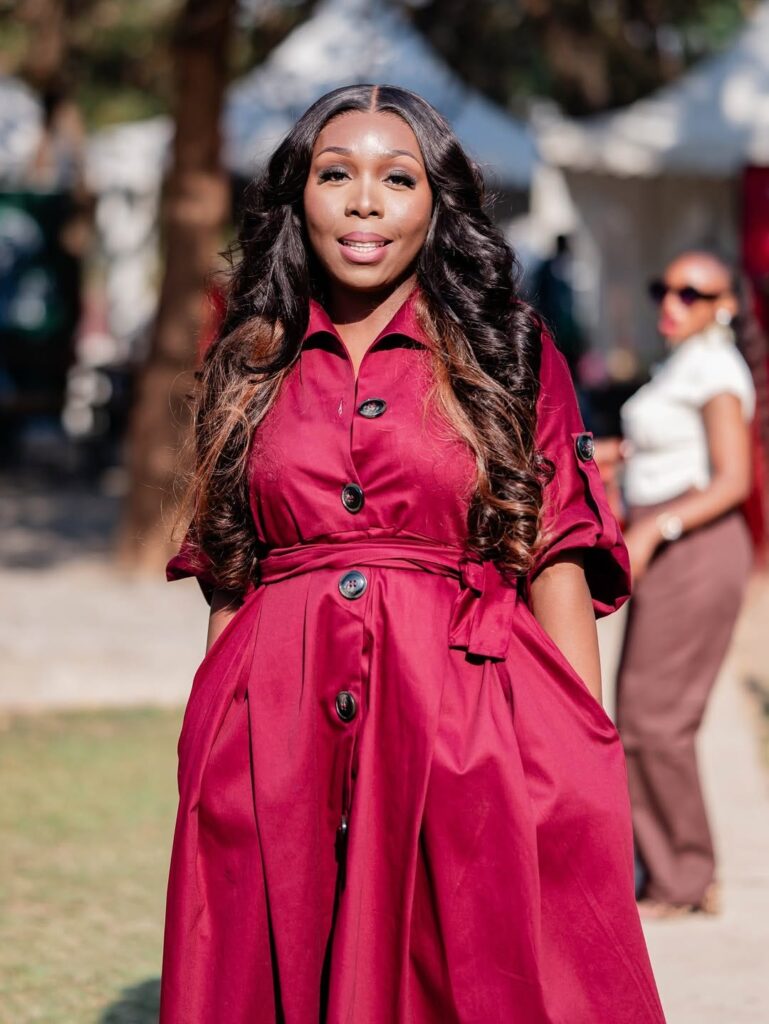
Inside the world of a Zambian food creative reconnecting culture and family.
When you talk with Clara Kapelembe Bwali, you feel immediately that food isn’t just her work, it’s her lineage. It’s the rhythm she grew up in, the way her mother and grandmother cared for their community, and the lens through which she sees the world today. Long before she became one of Zambia’s leading food stylists and content creators, before the brand partnerships and international features, she was a girl in a busy household where an extra portion was always set aside because you never knew who might stop by.
Through Black Garlic, Clara is the creative voice behind some of Zambia’s most beloved food imagery, the go-to collaborator for brands from National Milling Corporation to Unilever Africa, and a bridge for global audiences discovering Zambian cuisine for the first time.
What’s striking, though, is how deeply personal her work remains. She cooks with the same ingredients her grandmother did. She tells stories that center her children, her cultural roots, and the belief that food should be both an anchor and an adventure. She wants outsiders to understand that Zambian cuisine is anything but simple, and that in a country with 72 tribes, there is an entire universe of flavors, preservation techniques, and traditional dishes that rarely make it into the global conversation.
In our conversation, Clara talks about raising kids who can respectfully navigate foods from many cultures, why she balances traditional Zambian simplicity with bold, cross-cultural flavors, and the dishes she feels responsible for learning from her mother before they’re lost.
A message from our partner Territory Foods:
Real Meals, No Prep—From a Brand We Truly Believe In
Longtime readers may remember: One Potato started as a fresh meal kit company for busy families. So it means a lot to us to find a new partner who shares our values. Territory Foods delivers fully prepared, dietitian-approved meals made by local chefs and packed with nourishing, delicious ingredients.
Every dish is gluten-free (with dairy-free and plant-based options, too!), and there’s zero prep involved—just heat and eat. It’s the perfect solution for those weeks when life feels a little too full, but you still want to feed your family food that feels good.
👉 Get $25 off your first order with code TRY25 from us at One Potato!
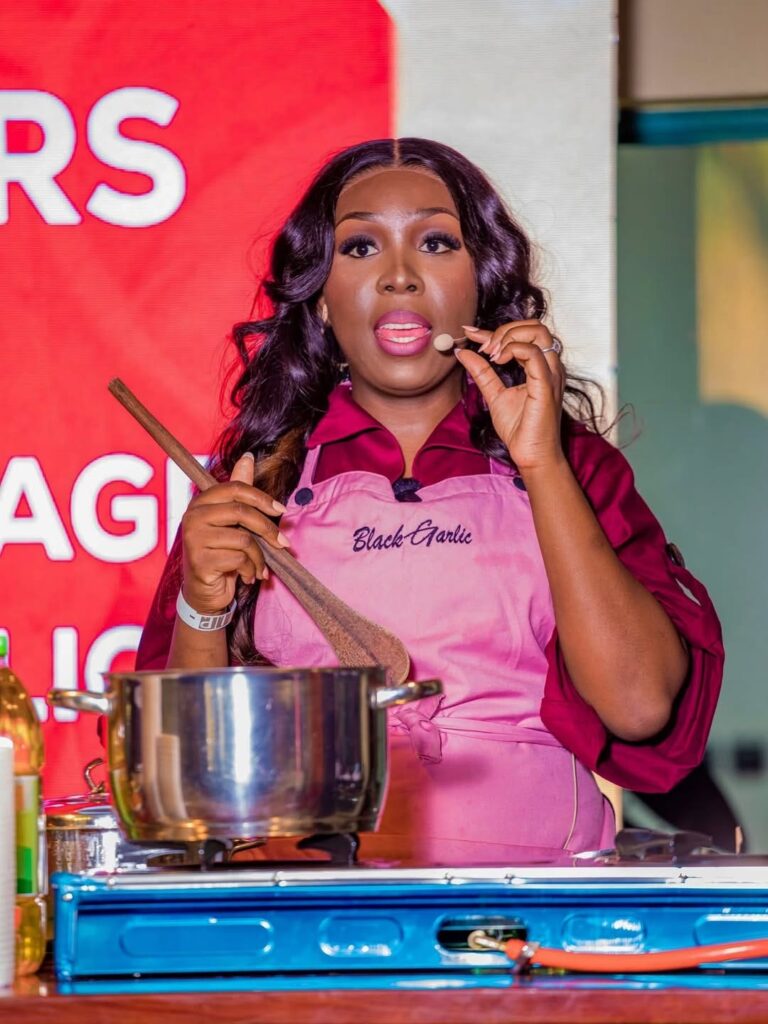
A Conversation with Clara Kapelembe Bwali
Introduce Yourself: My name is Clara Kapelembe Bwali. I’m a Zambian food content creator, and a mom of three: a teenager, a seven-year-old, and a toddler.
Kapelembe is my maiden name, and Bwali is my husband’s surname — which directly translates to nshima or pap, Zambia’s staple food made from maize meal. People love to joke that it makes perfect sense for someone who cooks for a living. I’ve heard, “Your name literally means food!” more times than I can count.
My brand, Black Garlic, showcases Zambian food with pride: “Black” for who I am, “Garlic” because it’s always, always in my kitchen.
What are some of your earliest food memories?
I grew up in a home where food was constant. My grandmother was a chief, which meant her home was a center for the entire community. People came with marriage challenges, family disputes, anything they needed help resolving.
My mom had one rule: always cook enough to feed an unexpected guest. There was always an extra portion, always someone dropping by, always a meal being shared. Those early memories of cousins, neighbors, relatives, all gathered around one pot, are the foundation of how I see food today. It was never just about eating. It was about belonging.
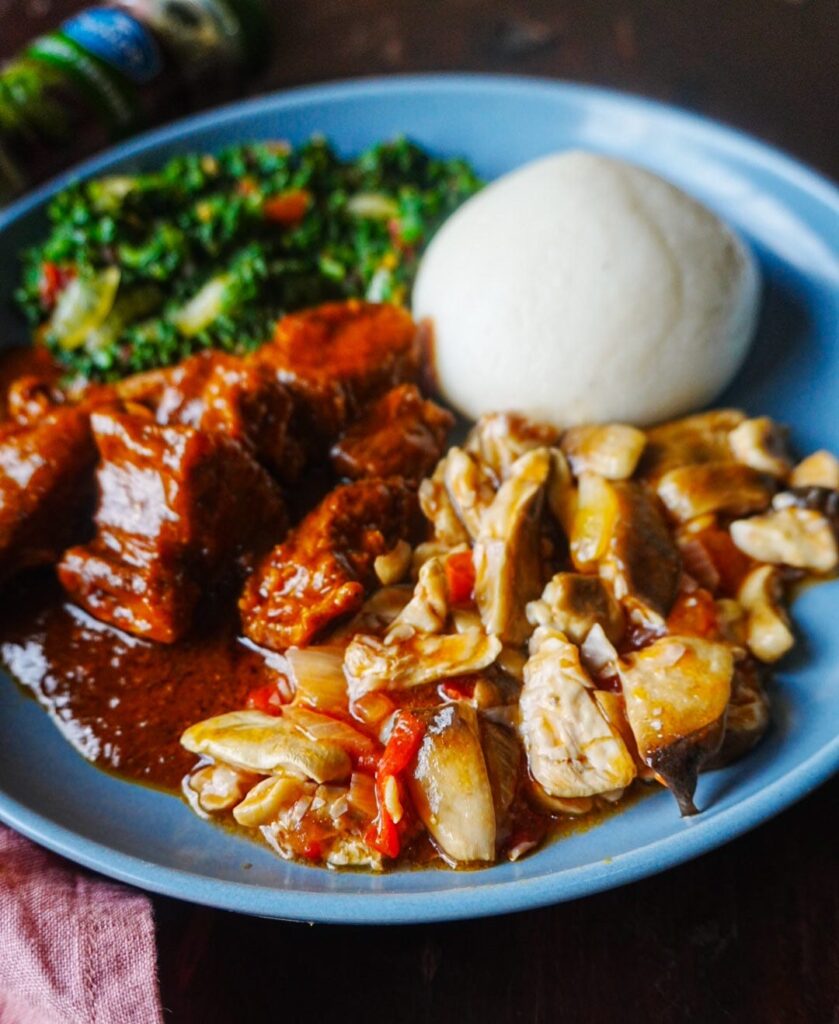
What does family mealtime look like in your home?
If there’s one dish everyone agrees on, it’s chicken. We could eat it nearly every day and no one would complain. But raising kids in Zambia also means teaching them to respect food from many cultures. Here, unless there’s a medical restriction, it’s considered disrespectful to refuse a dish someone offers you. And people eat everything: grasshoppers, special types of wild rats, caterpillars, countless fish varieties. You never know what someone has prepared with love, especially in a home with limited resources. It could be their very best.
So I teach my kids:
-
Try everything once.
-
Be grateful and respectful.
-
Understand that food holds meaning in different cultures.
Of course, like all kids, they also love instant noodles and KFC. And sometimes? That’s fine. Parenting isn’t about perfection. Balance is important: exposure to new foods, yes, but also flexibility when life gets busy.
When you began creating food content, what did you hope the world would understand about Zambian cuisine?
For a long time, Zambia wasn’t visible on the global food map. Nigeria has jollof. Kenya has ugali. But Zambia? Before 2020, we didn’t have a single dish people instantly recognized.
Yet we have 72 languages and 72 tribes, each with its own food traditions. We have everything from wild game to caterpillars, to beautifully prepared fish and vegetables. There is so much diversity. It simply wasn’t being shared.
My mission with Black Garlic has been to introduce Zambia to the world, one recipe at a time. I want someone to hear “Zambia” and think, Oh yes, I’ve seen that dish before! It takes persistence, and sometimes blood, sweat, and tears, but it’s deeply meaningful work.
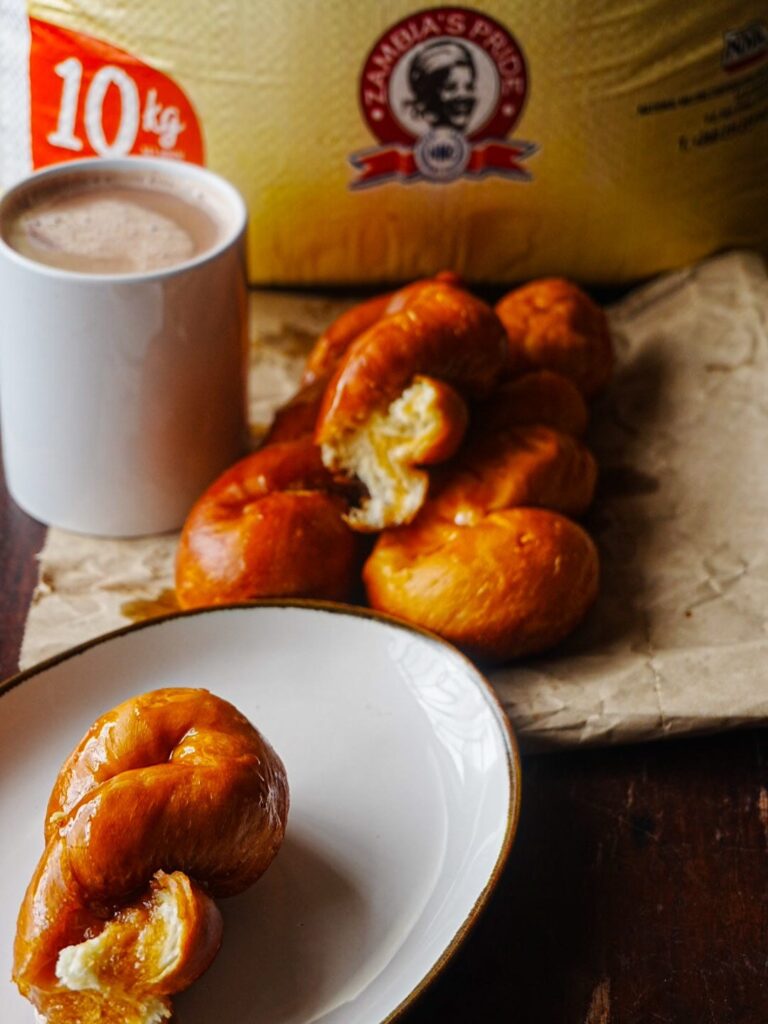
Do your kids like to cook with you?
My oldest daughter reminds me a lot of myself growing up. I was the only girl with three brothers, so I did most of the chores, including cooking. I didn’t always love it. In many African households, it’s just assumed that girls will learn everything because “one day you’ll have a home of your own.” I resisted it for years.
My daughter doesn’t love cooking either, but when she does cook, she surprises me with how capable she is. She’s been absorbing everything without realizing it.
My middle child, though, loves what I do. He helps with voiceovers, stands behind the camera, and takes real interest in the business. I can see him following in my footsteps.
What are some staple ingredients every home cook should know about in Zambian food?
Traditional Zambian dishes stay very simple: tomatoes, onions, oil, and salt. That’s the base of almost everything. Many people prefer to keep food as natural as possible. If I say I added garlic or spices to tripe, some friends would say, “You’re ruining the natural flavor!”
But I love exploring flavor, blending cuisines, mixing techniques. Zambia meets Asia. Zambia meets America. Zambia meets Nigeria.
In my kitchen, you’ll always find: Garlic, Ginger, Fresh herbs, Black pepper, Turmeric, and Curry powder.
What’s one misconception you wish people understood about Zambian cuisine?
The biggest one? That Zambian food is boring. It couldn’t be further from the truth.
With 72 tribes, the food landscape is incredibly rich. And our ancestors were masters of preservation long before the global movement against food waste existed. For example:
-
Sweet potatoes were buried underground to last an entire year without chemicals.
-
Fish was salted and sun-dried to last up to five years.
Everything was organic, resourceful, and sustainable. There is so much wisdom in these practices, and I want the world to know that Zambia has a long tradition of nourishing people while caring for the environment.
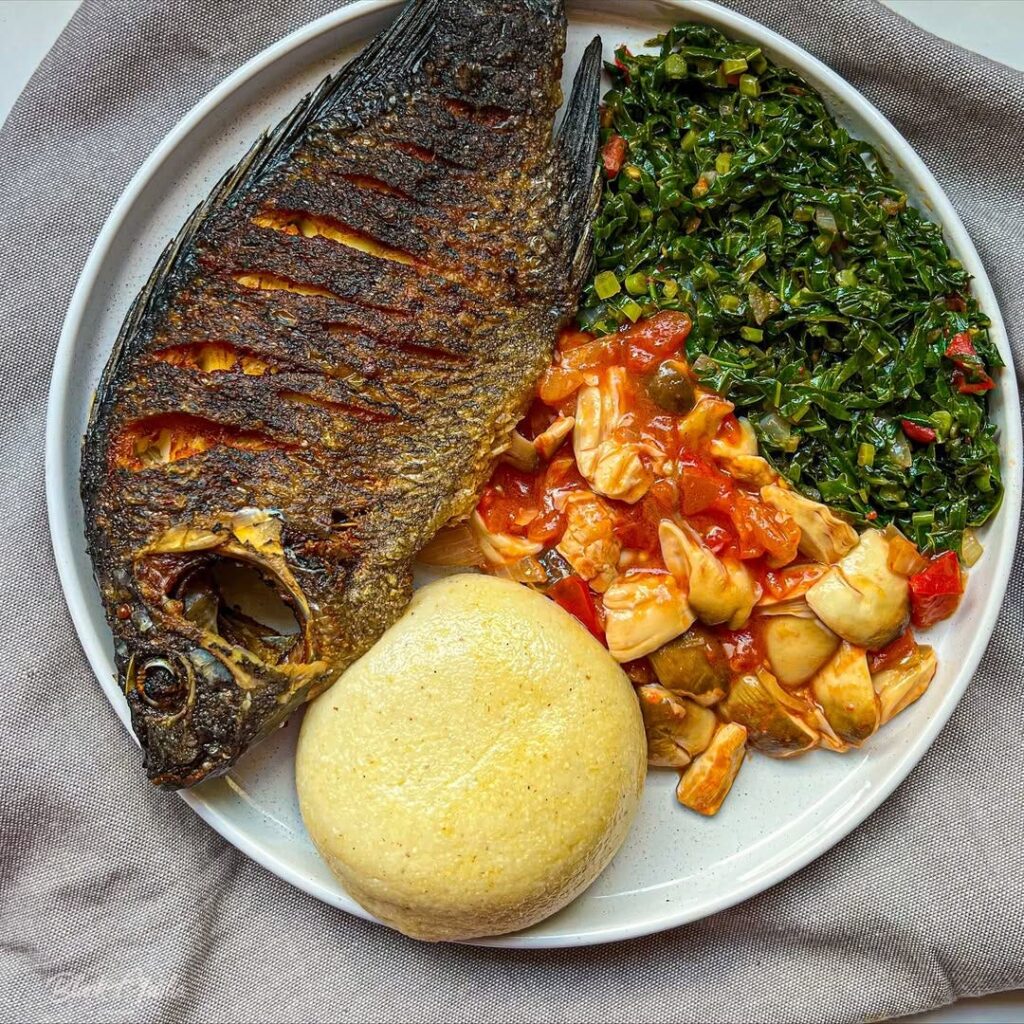
For readers new to Zambian cuisine, what’s one dish or flavor they should start with?
I always recommend chikanda. It’s made from an orchid tuber that’s dried, pounded into powder, combined with ground peanuts and aromatics, and cooked into a firm, sausage-like cake. It’s vegetarian, gluten-free, and incredibly versatile.
You can grill it, stir-fry it, tempura it, slice it for sandwiches—it works with so many flavors and dishes. It’s wholesome, flavorful, and completely Zambian. I really believe it’s a superfood the world hasn’t fully discovered yet.
How do you think about food as a connection across generations?
This is something I feel deeply. Even today, I was talking with my mom about dishes that are starting to disappear because they aren’t being passed down.
There’s a wild mushroom dish cooked with groundnuts called pampa, and a cassava-leaf dish influenced by Congolese cuisine called sombe semaki. Because my mother’s village borders Congo, these dishes are part of her story but not every Zambian knows them. Like everywhere, dishes in Zambia are regionally influenced, too.
I told her I want to come learn them properly: get the ingredients, sit with her, listen, cook, and absorb everything. That’s how culture is preserved—through time spent together, through stories, through hands teaching hands. I want to pass that knowledge down to my children and, one day, my grandchildren.
What are your hopes for the future of Zambian food storytelling and the next generation of creators?
I want young creators—especially young women and mothers—to know that it’s okay to celebrate their own food. You don’t have to westernize everything to be accepted. Yes, share new ideas and incorporate global flavors, but don’t lose what makes your story unique. No one can tell Zambia’s food story better than a Zambian.
I want people to feel proud of where they come from, proud of their ingredients, and confident that their authentic experiences are worth sharing with the world.