Small Bites:
If you’re thinking about adding more plant-based meals this year but don’t want it to feel like a whole project, Hungryroot makes it super easy. They send fresh groceries and simple recipe ideas so you can try new dishes without the overwhelm.
👉 Take the Quiz & Get a Custom Meal Plan
If you want a whole library of doable recipes and a simple way to plan them out each week, the Peas & Hoppiness app is such a helpful sidekick. It makes meal planning feel a lot less… plan-y.
👉 Try it free for 30 days – use code ONEPOTATO30
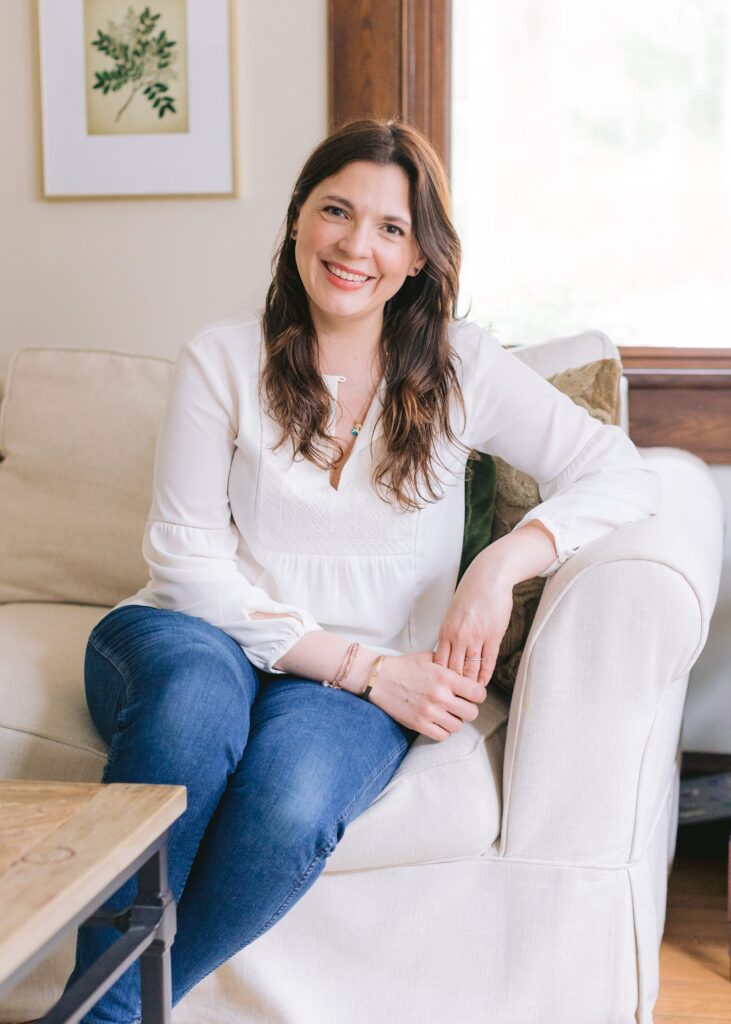
How Lauren Kretzer reshaped her approach to wellness, and the simple routines that help her family thrive.
January always brings a rush of “new year, new habits” energy, plus a little pressure to overhaul everything at once. But what we loved about this Order Up! interview with Lauren was her simple advice to start with one small change at a time. Lauren Kretzer is a plant-based chef, recipe developer, holistic nutritionist, and the warm, steady force behind Plant Magic, her Substack devoted to seasonal eating, holistic wellness, and living well without overcomplicating life. Her work has appeared everywhere from Vogue to Food52, but she approaches food like a mom who’s in it with the rest of us: juggling school pickups, hungry kids, and the nightly question of “what’s for dinner?”
Lauren’s cooking is deeply influenced by the vegetable-forward kitchens of her Italian and Argentinian grandmothers and strengthened by her own cancer journey, which reshaped how she thinks about nourishment, routine, and what truly matters. Her approach to food and wellness is grounded, without getting caught up in perfectionism or rigid rules. Just small shifts, simple meals, and a gentle confidence that healthy eating can fit into real family life, even when schedules and kids are unpredictable.
She shares the comforting soups she grew up with, the Italian rituals that anchor her home today, and the “meal templates” that keep her sane on busy evenings. She’s honest about picky eaters, generous with practical advice, and endlessly reassuring to parents who want to cook more plant-forward meals without feeling overwhelmed.
If you’re craving a reset that actually feels doable, Lauren’s perspective is exactly the kind of steady, nourishing start to the year we all need. And if you want more of her wisdom, recipes, and seasonal inspiration, you’ll definitely want to check out Plant Magic.
A message from Hungryroot:
Try More Plant-Based, the Easy Way
If you’re hoping to eat a little more plant-based in the new year, Hungryroot is a great place to start. Instead of hunting down new ingredients or guessing what to cook, they send groceries tailored to your goals along with easy, tasty meal ideas that make trying something new feel totally doable, even on busy nights.
You can mix in plant-based meals at your own pace, try flavors you might not pick up on your own, and still keep things quick and family-friendly. If you’re looking for a simple way to bring more fresh, nourishing meals into your routine without adding to your mental load, Hungryroot is a great place to begin.
👉 Get 30% Off When You Take the Quiz & Get a Custom Meal Plan

A Conversation with Lauren Kretzer
Introduce Yourself: I’m Lauren Kretzer, a professionally trained plant-based chef, recipe developer, and the creator of Plant Magic, my Substack newsletter. My daughters are six and ten years old.
I live in northern New Jersey with my husband, our two daughters, and our two rescue dogs. I focus on teaching people how to cook nourishing, vegetable-forward meals that are delicious and approachable for every kind of eater. As a cancer survivor, I’m deeply committed to modeling an anti-cancer lifestyle for my kids and helping other families bring more plant-based, health-supportive food into their homes.
What from your own childhood kitchen shows up in the way you cook for your girls today?
Both of my grandmothers were amazing cooks and made everything from scratch. My paternal grandmother was Sicilian, my maternal grandmother was Argentinian, and while both of those cuisines include meat, they’re also incredibly vegetable-forward. There were always veggies on the plate, and we all ate the same meals together. That sense of connection around food was built into me long before I realized how much it meant.
As I got older, went to culinary school, and eventually became a parent, I knew I wanted to pass that on…not just the health benefits, but the ritual of coming together and making memories. I grew up watching the women in my life cook, shop, wash dishes; being in the kitchen never felt intimidating. That early exposure gave me a natural confidence in the kitchen, and I want my girls to grow up with that same familiarity.
Is there a recipe or dish from your childhood that you now make for your kids?
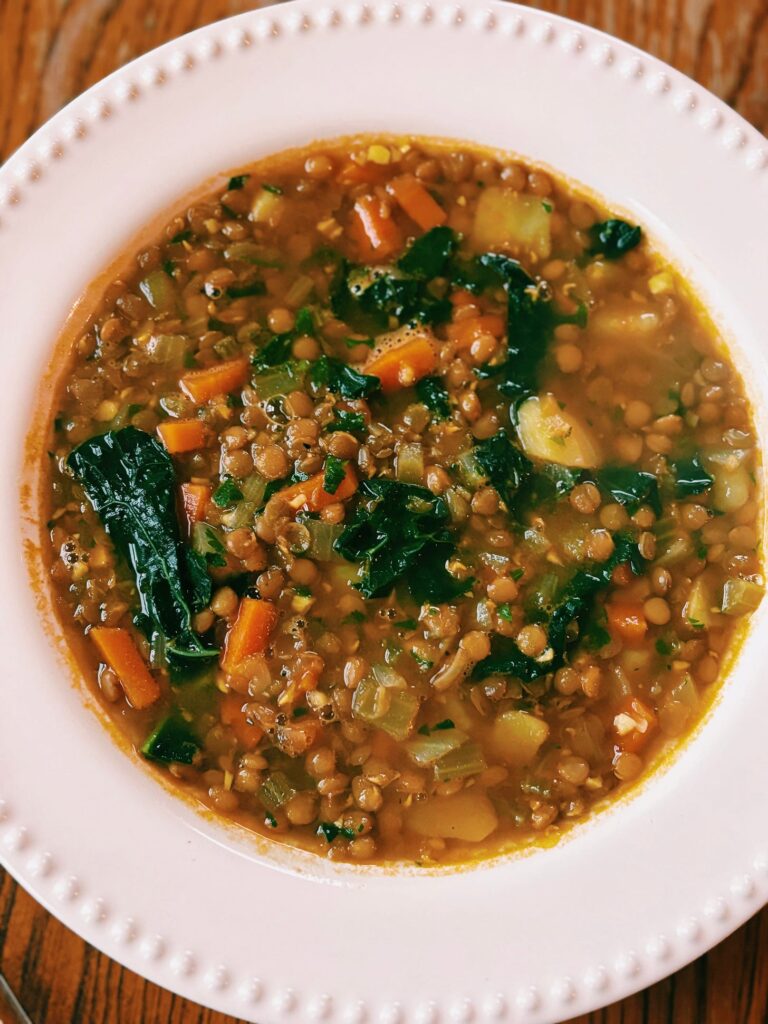
My maternal grandmother made soup for us constantly, even until the year before she passed away. I could never replicate it exactly, but it was always this deeply comforting pot of vegetables and lentils or split peas. I make my own version for my kids on cold or rushed days, or when someone needs a little extra comfort.
And because my paternal side is Italian, pasta is a regular part of our meals, too. Bringing those flavors and share family stories into our weekday dinners makes our culture feel alive at home.
In your Substack, Plant Magic, you talk beautifully about wanting dinnertime to feel like a cherished time of day. What does that actually look like in the real world with busy grade-school kids?
First, it’s not easy. Truly. If anyone is struggling to make dinner feel peaceful or meaningful—you’re not doing it wrong. Some days I’m out working or running errands, and by the time I pick the girls up, it’s straight into after-school activities. Suddenly it’s late and we’re all hungry. Meal planning doesn’t always happen.
What helps me most is thinking in meal templates:
-
Taco Tuesday: I always have tortillas, avocados, rice, beans. You can make tacos out of almost anything if the core ingredients are ready.
-
Pasta nights: Mix-and-match sauces, beans, vegan sausage, veggies.
-
Soups: You barely need a recipe once you know the method. Truly, you can improvise with whatever’s on hand.
These templates give structure without forcing me to reinvent dinner every night. They keep us fed and keep me sane.
What elements of Italian cooking or culture have become part of your family routine?
I love Italian food for its simplicity and seasonality, which means most recipes are incredibly straightforward and beginner-friendly. Everything is seasonal and regional; the menu changes depending on where you are and what time of year it is.
At home, we mirror that with farmers’ market shopping, cooking what looks fresh, and eating with the seasons. And the cultural piece matters too: lingering over meals, talking about our days, not rushing through dinner. It doesn’t happen perfectly every night, but most weeks we get those slow, intentional meals five or six evenings. That togetherness feels very Italian to me.
How is cooking as a mom different from cooking as a chef?
As a mom, speed is the name of the game! Someone’s crying, someone’s hungry, the dogs are barking—it’s joyful chaos. So I streamline and simplify as much as possible. No fancy garnishes, no elaborate plating.
As a chef, I’m thinking about presentation, color, garnishes, sauces, the full sensory experience. My kids do not care about any of that. They want it to taste good, period, and to be ready when they want to eat. So home cooking is much more practical and pared-down.

What advice would you give someone who wants to cook more plant-forward meals but feels intimidated?
Start small. Perfection is the enemy of good. If someone tries to jump straight from a processed or meat-heavy diet to a “perfect” vegan one, they’re setting themselves up for frustration.
Instead:
-
Add things in before taking things away.
-
Aim for most of your plate to be plant-based, not necessarily all of it.
-
Keep portions of meat smaller if you’re not ready to cut it entirely.
-
Make leafy greens or non-starchy veggies part of every meal.
-
Follow plant-based creators for inspiration—Rainbow Plant Life (Nisha Vora) is one of my favorites.
Gentleness and gradual changes are key.
Introducing new vegetables to kids can be tricky. Any suggestions?
It is tough. My kids aren’t huge vegetable lovers either even though I started early and tried so hard! Toddlerhood happens. Kids learn the word “no.” They develop opinions. And I know plenty of chefs whose kids also resist veggies, so if yours do there’s nothing wrong with you.
My approach is modeling and exposure:
-
They constantly see me eating vegetables.
-
I add greens to smoothies in front of them so they know what’s going in.
-
I put vegetables on their plates even when I know they won’t eat them.
-
If they reject something, I offer a veggie or fruit I know they will eat.
It’s “nutritional insurance,” not pressure.
What does plant-based eating look like for kids who are selective with veggies?
My girls eat tons of fruit, any fruit, any time. Veggie-wise, they reliably like carrots, cucumbers, and pepper strips, so those show up often. For dinner, I almost always have sautéed broccoli in the fridge. If they eat the same vegetable every night, I truly don’t care. It’s nourishing and they enjoy it.
They also love tofu, beans, and lentils, which helps a lot. For kids who aren’t familiar with those foods, try blending them into soups, adding red lentils (which melt right in), or offering dips like hummus. There are gentler ways to introduce legumes than plopping a mound of beans onto the plate.
Do you have a go-to easy plant-based dinner for true beginners?
Yes—the simplest “real meal” I recommend is a nutrient-packed pasta:
-
Cook your pasta (regular, bean-based, gluten-free—whatever works).
-
In the last 30 seconds to 2 minutes, throw in frozen spinach, kale, peas, or broccoli.
-
Drain everything together.
-
Toss with a high-quality jarred marinara (I love Rao’s and Victoria).
-
Optional: stir in chickpeas or cooked lentils to bulk it up.
It’s fast, balanced, full of fiber and iron, and requires zero chopping.
How did your cancer experience change the way you think about nourishment—food and beyond?
It changed everything. In the beginning, I was laser-focused on the purest anti-cancer diet possible. It gave me both comfort and a sense of control during an overwhelming time, and for all I know, it may have helped.
Long-term, though, eating every meal through a cancer lens isn’t sustainable. I’ve found a middle ground:
-
I still eat broccoli sprouts almost daily.
-
I still use anti-cancer spices like turmeric.
-
I still focus on cruciferous vegetables.
-
But I don’t obsess, and I don’t label foods as “perfect” or “bad.”
I’ve also built new habits that support my wellbeing in a more holistic, sustainable way: consistent exercise, stress management, being outdoors.

For overwhelmed parents who want a healthier routine, what’s one realistic wellness practice you recommend?
Skip the expensive gadgets and complicated routines. In my opinion, what matters most long-term is minimizing processed foods, prioritizing plant-rich meals, filling half your plate with non-starchy vegetable, and getting enough sleep. And—sorry!—exercising. I resisted exercise for years, but once I found a routine, everything improved: energy, mental health, blood work, blood pressure. It truly makes a difference, even if you start small. [Lauren writes beautifully in more depth about this topic on her own Substack – read her post here.]

How do you personally balance nutrient-dense eating with enjoying the fun, convenient snacks and everyday kid-life realities?
The less processed food I eat, the less I crave it, but I still enjoy it sometimes. If there are Ruffles at a party, I’m going in. I try to pay attention to how I feel afterward. If something leaves me feeling awful, I take note. And I remind myself, and my kids, that foods aren’t “good” or “bad.” It’s about how they make your body feel.
Pasta, for example, shouldn’t be demonized. A reasonable portion with veggies is nourishing and perfectly fine. And for my kids, nothing is totally off-limits outside the house; it’s their body and ultimately their choice. I want them to understand the impact of their choices without fear or shame.
Do your daughters enjoy cooking with you?
They love to bake: pancakes, waffles, cookies, quick breads. And they like helping with simple cooking tasks such as stirring soups, sautéing onions, layering flavors. I walk them through the basics in cooking, like what aromatics do, when to add other vegetables, why we season as we go. I want them to feel comfortable near the stove and to build those foundational kitchen skills little by little.
What’s one surprisingly simple cooking skill that instantly improves home cooking?
I have two:
-
Heat control. Most dishes don’t need high heat. Understanding the difference between simmering, searing, and gently cooking makes a huge impact. Learn your stove.
-
Proper seasoning. Most home cooks under-season their food. Don’t be afraid of salt because it brings food to life. I keep a little pot of salt by the stove and season with my fingers so I can feel how much I’m using. Adding acid, lemon or vinegar, at the end, or finishing with fresh herbs, can transform a dish instantly.