Small Bites: Eight pillars of wellness is a lot to take on by yourself. Jill Castle’s Kids Thrive group program starts October 19 and moves through them with you, with her guidance in real time. 👉 Learn more here
Figuring out what to cook every week during the busy back-to-school rush? We’re a big fan of Peas & Hoppy Meal Guides app. Every recipe in the app comes with a Picky Eater Tip attached, so the plan doesn’t quietly assume you’ll be making a second plate for the kid who has opinions. Try it free for 30 days – use code ONEPOTATO30
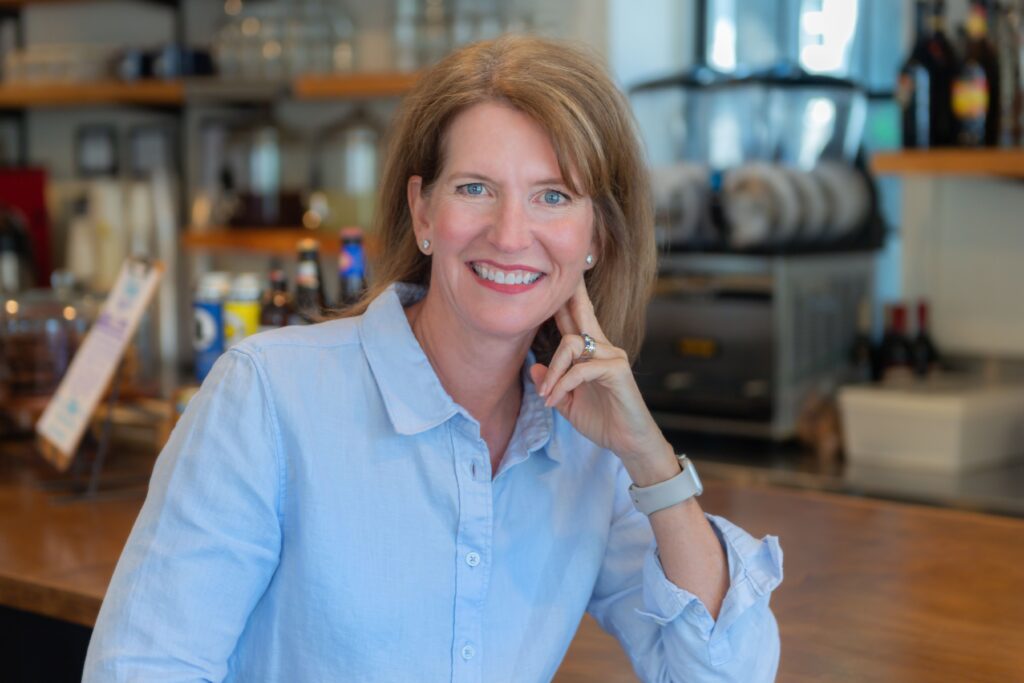
Health Is an Inside Job: Jill Castle on Raising Kids Who Thrive at Every Size
By the time she was 18 months old, Jill Castle’s first daughter was underweight and anemic. Jill had been a pediatric dietitian for seven years by then, feeding critically ill kids at Mass General and Boston Children’s, and she’d assumed her own baby would be easy. She did what her training and her pediatrician said. More calories. Another meal. One more bite. It all backfired. Then she watched her husband feed the same child off his own plate, no struggle at all, and the realization hit: It’s me. I think it’s me.
What she went looking for next wasn’t in her nutrition training. Feeding styles. Ellyn Satter’s Division of Responsibility. The parent-child dynamic that shows up at every meal whether anyone names it or not. You can change the food, she’ll tell you, and still not change the outcome. The food and the feeding approach have to be married together.
That was 35 years ago; she’s since raised four kids, taken nine years out of practice to feed them full time, gone back to work, and written six books. She calls those years at home her secret sauce, and she means it as a professional credential. Her training told her what a child needs; ten years of after-school snacks, swim-practice dinners, and four kids who each needed something different taught her how it actually happens.
Her book, Kids Thrive at Every Size, brings all of this together: eight pillars of wellness, starting with family culture and running through sleep, movement, feeding, food, eating, screens, and self-love. And if this feels like a lot, Jill emphasizes that every family start with only one, usually their weakest pillar. And just like the marriage between food and feeding approach, all of these pillars work together. Underneath these pillars is a premise she repeats often: Health is an inside job.
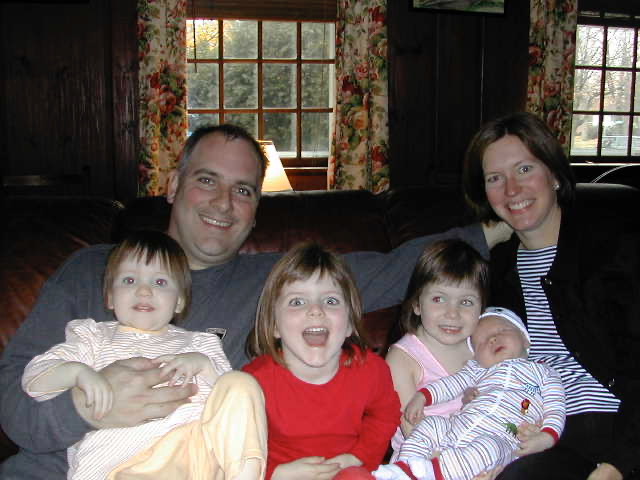
A Conversation with Jill Castle, MS, RDN, pediatric dietitian
Introduce Yourself: I’m Jill Castle. I’m a pediatric dietitian and the owner of The Nourished Child, a website and podcast for parents.
I have four children, all grown and flown. My oldest will be 30, then 28, 26, and 25, four kids in five years. I’ve written six books, and most of my days are now focused on nutrition education for parents and for professionals.
You trained at Mass General and Boston Children’s, managing nutrition for critically ill kids. Then your own daughter was anemic and underweight by 18 months. What sticks with you most?
My attitude. I’d been a pediatric dietitian for seven years, taking care of a lot of sick kids in two different hospitals, and I thought this was going to be a cakewalk when I had my own daughter. The breastfeeding part was. Then we started solids around six months and it was not. I was confused, I felt overwhelmed, and honestly, I felt like I didn’t know anything in my own profession.
I got the same information most new parents get when their child isn’t growing well: give her more calories; add a meal; make sure she takes a bite. I really was trying to do all of that, and it backfired. She wasn’t interested in any of it. The moment she got in the high chair, she wanted out of it.
I thought the solution was that I wasn’t giving her the right food. What it actually ended up being was how I was approaching her at mealtimes. I was putting too much pressure on it. I was too invested in her eating, and she wasn’t having it at all. How can I get her to eat? What can I put in the food to make it higher calorie? And she’d just say, I’m all done, and want to get down.
My husband could feed her quite easily, and that was the tell. He was the fun one. Sit on my lap, try everything I have in front of me, this is great. And the energy that I was bringing was: sit in your high chair, you must eat this.
It’s very embarrassing to go to your pediatrician when you’re a dietitian and hear, hmm, your child’s not gaining weight, hmm, now we’ve got anemia to deal with. I had so much shame about it.
Then I had a lightbulb moment watching my husband feed her. “It’s me. I think it’s me.”

Once you had that realization about feeding your daughter, what changed?
I started looking at all the research I could find on the feeding relationship. The feeding styles: controlling, permissive, diplomatic. Ellyn Satter’s work, the division of responsibility. And I thought, wow, I need to be a lot more relaxed and let her lead rather than have an agenda for this meal. My job is to prepare the food and get it on the table. Her job is to eat, on her timeline. Things got a lot better after that.
I still have a little internal reaction when I hear another healthcare professional say, just change the food. It’s way more than the food. You can change the food, and that doesn’t mean you’re going to change the outcome. The food and the feeding approach have to be married together. That’s where parents really start to see traction. And once you see a counterproductive feeding dynamic, you can’t not see it anymore.
Your second daughter arrived after all of this. Did you feel prepared?
I felt better prepared. And then I realized how much of it wasn’t about me at all. She was a different kid. She loved to eat. She made happy singing eating noises every time. Nothing she didn’t like. She was a joy to feed.
So a lot of this is child dependent. My first has more of a spirited personality and wants to be in charge of everything. My second was easygoing. Parents tell me this all the time. This one’s tough to feed, this one’s a joy. But we’ve got to feed them all. So how do you feed them all?
What was mealtime like in your own house growing up?
I grew up in Indiana. My dad owned his own business and was home at five o’clock. My mother had dinner on the table at six o’clock every night and we all sat together and ate together.
I’m the oldest of four, and I remember there being just enough food. Not how much we wanted to eat, but just enough. I remember going to the table like, where’s the biggest plate? Where can I sit that has the most food on it? We all did that.
My mother was a very good cook, and I loved the routine of a regular family dinner. I brought it to my own children. We had family meals most nights, and if a child was at swim practice, one of us would sit with them while they ate later.
My parents would be classified as controlling feeders. We had to finish our plate before we could be excused. Some nights that was great, because we liked what we were eating. Other nights it was a slog. You had to eat the bean soup, and how much ketchup can I put in the bean soup to make it palatable. And I had a sibling who was a picky eater, so we’d all sit there and wait for the picky eater to be done.
How did that show up in your own family?
When my kids were really young I plated their food. Everybody’s portion on a plate, served to them. And when my older daughter was around eight and my son was three, my husband and I started down a path I would consider similar to my parents: take another bite before you get up, finish your milk before you leave the table.
And I had a moment where I was like, I don’t want to go down the same road as my parents, this looks too much like that. So we switched everything about our family meals. Now we serve family style, and always have. It’s chicken breasts on the grill, on a platter, cut into varying portion sizes. If it’s a salad, it’s a big bowl of salad. It’s the gallon of milk. You can have what’s on the table or not. Listen to your body.
I was always conscious of it, too. I know this child will never eat that, so maybe I’ll put a bowl of grapes on as an addition. Everybody can have the grapes, but the grapes are really there for the one child who won’t touch the vegetables. And there are enough grapes for everybody.
I don’t plate food anymore. I just had a dinner party and I still don’t plate food. You choose what you want to eat and how much you put on your plate. That’s not my job. That’s your job. There’s some nuance, of course. If you’ve got a child who’s underweight, or a child who carries more body weight, we might tweak things. But in general, children like to be in charge of themselves, and it builds their confidence.
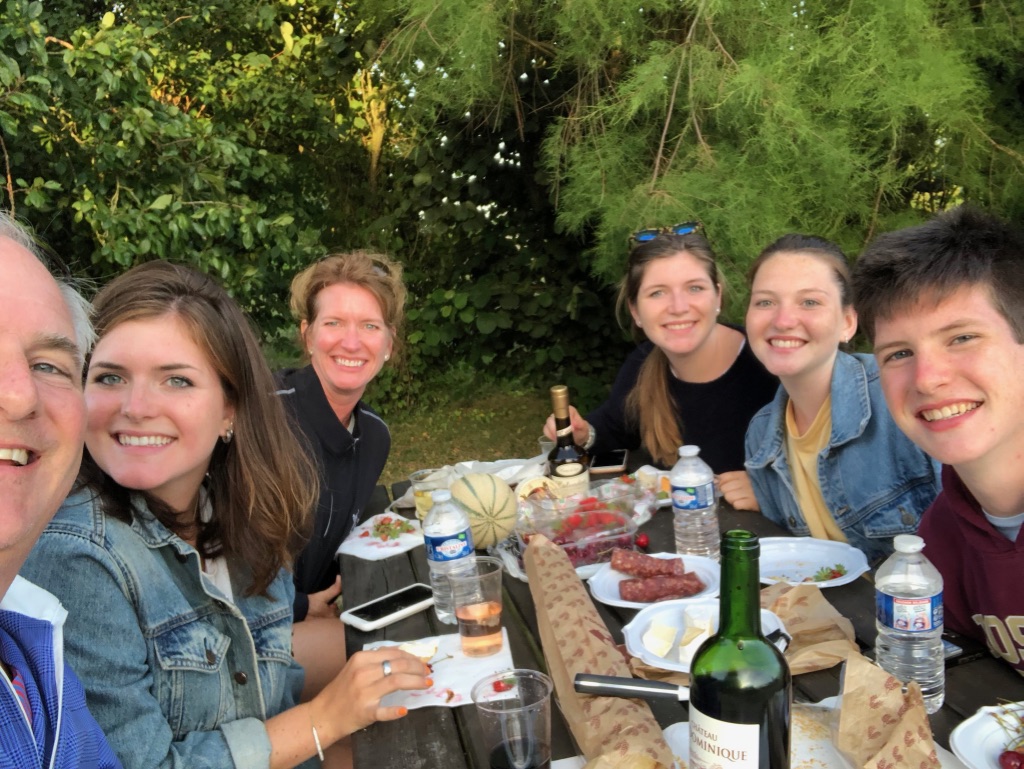
You took nine years off to raise your kids, then went back to practice. Did the daily reality of feeding four kids change how you advised other parents?
Absolutely. For many years I felt like that was my secret sauce. Ten years of feeding four young kids, full time. I learned a lot about routines and attitudes and the culture you create around family meals.
And how important structure is through the day. We weren’t so rigid that breakfast had to happen at eight o’clock. It wasn’t about rigidity. It was about a rhythm. If everybody had a decent breakfast at eight, I knew based on their ages they’d be hungry two-and-a-half to three hours later. If the next day we ate at 7:30am, snack moved earlier.
I always felt like I needed to stay one step ahead of them. They’d come in and say, we’re hungry, we want a snack. And I’d say, we’re all set, I know exactly what we’re having. Proactive instead of reactive. That’s what staying home gave me.
Now, that’s my family and those are my kids. My kids aren’t your kids, and every family has different pressures. But I do feel that rhythm and structure help kids feel secure. They know things are predictable, and they’re calmer as a result.
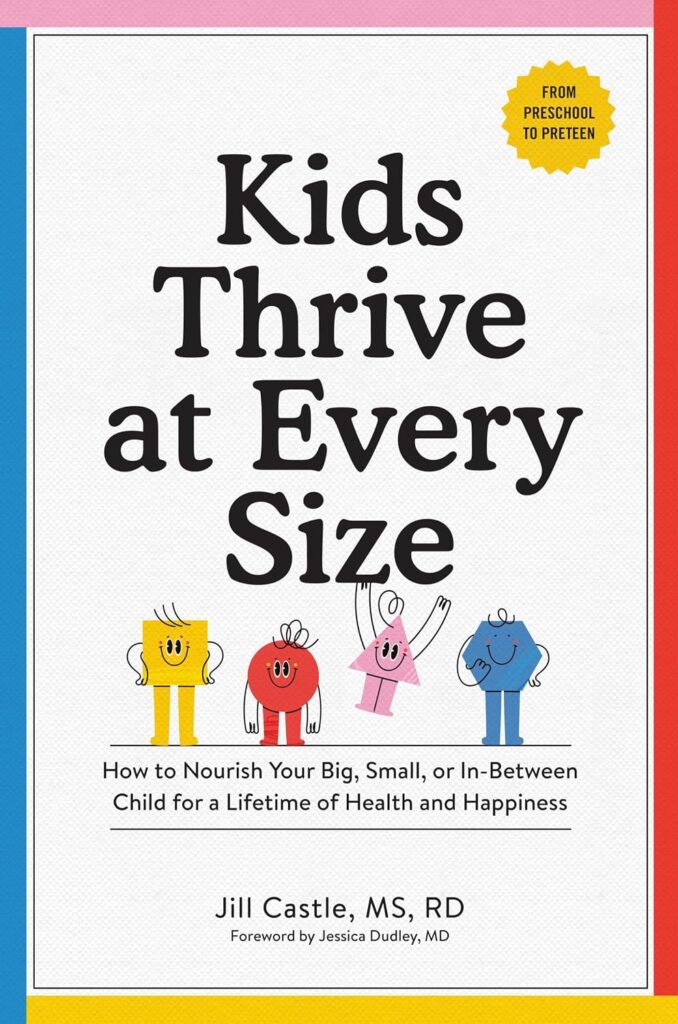
Your book, Kids Thrive at Every Size, pushes back on the idea that a healthy kid has to be a thin kid. For a parent who’s quietly worried about their child’s weight, where do you tell them to start?
The whole premise is that there are eight pillars of wellness, so there are eight areas where a family can start. Where you start really has to do with where your weakest area is.
One is sleep. If kids aren’t getting enough sleep, that changes their appetite regulation. They’re hungrier and it takes them longer to get full. So for one family, that’s the first thing we nail down. There’s a food pillar, the quality and balance of what they’re eating. There’s a feeding pillar, the interactions around the table. There’s an eating pillar. What motivates your child to eat? Boredom and unstructured time? Do they use food to feel regulated?
What I love about this approach is that most families come in thinking their diet is terrible and they have to renovate everything. You probably don’t have to renovate everything. You probably have some really good parts in your daily habits that we just need to anchor down and build from.
The premise underneath it is that health is an inside job. Can your child move the way they want to move? Can they run and keep up with their friends? Can they sleep without snoring and waking up? What’s going on inside their body, which we can see in lab values? And then there’s the psychological piece. How do they feel about themselves? Do they have friends? Do they seem happy?
Health is all of those things. It’s not just how a child looks on the outside.

Is there one worry you see parents trying to fix that doesn’t actually need fixing?
There’s one that I see a lot. Parents come in worried about their child’s health. But when you really start to talk with them, they’re worried about their child’s ability to be adjusted in our society, how their children will be treated. Will they be accepted? Will they have the same opportunities? Will they have a best friend? Will they be able to play a sport if they want to?
That’s not a diet that’s going to fix that. That’s not more sleep that’s going to fix that. To me it’s more about helping that parent believe they can implement a healthy lifestyle for the whole family and love that child no matter what they look like. Support them at whatever size they are, in a way that is non-shaming and non-biased. When they understand that, they stop worrying about some of those other things.
You can’t control society, and it’s unfortunate. There’s so much about society that does not serve children well, particularly if they’re growing up in a larger body. And it’s hard for parents, because it makes them look at their own belief systems. What do you inherently believe about size?
Eight pillars of wellness is a lot to take in at once. If a parent is overwhelmed, where do you point them first?
I wrote them in the order I think is most effective and easiest for families to put into place. The first is family culture.
How are you talking about food? Is food good? Is it bad? Is it toxic? Is it ultra-processed? These words are scary for kids, and they don’t understand what they mean. How are you talking about bodies? What words are you using to describe people in larger bodies?
If you’re saying sugar is toxic, or that a large person is lazy in front of your children, they will internalize it. That’s what kids do. They think their parents are the end-all be-all and everything they say is right and true. So they think, that person’s bad because they have a bigger body and my mom says they’re lazy. Or, sugar is in ice cream and I love an ice cream cone, so am I bad if sugar is bad?
The brain of a child is very immature, and parents don’t always recognize that a child’s ability to understand nuance and context is limited. They’re concrete thinkers. You say something’s bad, they think it’s bad. That’s why family culture kicks off the pillars. If that culture is negative, it can derail all the others.
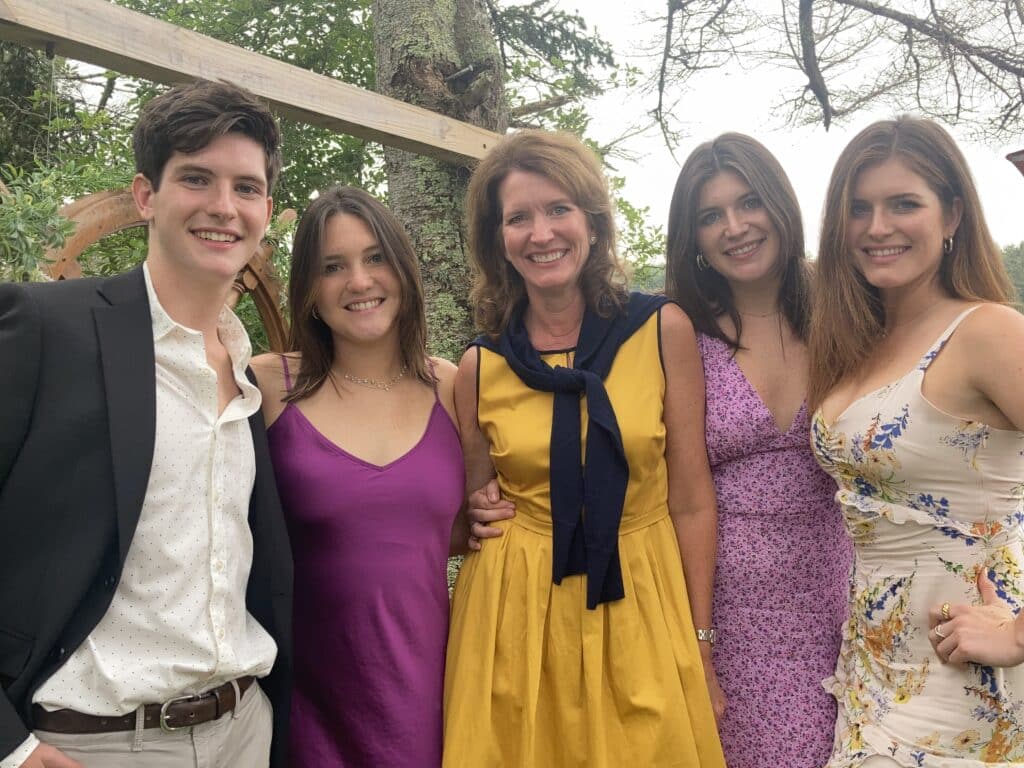
After 35 years of this, what would you say to the parent who’s convinced they’ve already ruined their kid’s relationship with food?
I would push back on that, because kids are so resilient. They’re not a done deal by 5 or by 12 or by 13. Every day is a new day to change the conversation.
Every day is a new day to say, hey, I used to say sugar is toxic, but you know what, I enjoy it too. We don’t have to eat it every day, but let’s pick out the things we really love and enjoy them. Or, I know you’ve heard me say something about Aunt Amy’s body before. I was wrong. I shouldn’t be saying stuff like that, and we’re not going to do that anymore.
This is what’s refreshing for some of the clients I work with. You sit down with your children and say, I have been learning so much about food, and I figured out that I got some things wrong. Here’s what I got wrong. I might have been saying some wrong things about food, or about bodies, and I’m not going to say those things anymore. Of course the kids are going to be like, why? What? And then you just have the conversation.
And then a parent might ask, what do I say when my kid asks why we shouldn’t talk about bodies? A possible response: all bodies are good. All of our insides are exactly the same. Everybody’s got a unique body, and that’s what makes everybody so interesting.
That said, if you’re a parent with a child in a larger body who has health conditions as a result, that doesn’t mean you don’t take action. There are things you can do under medical supervision that help. The lifestyle pillars are good for everybody, but some children need more help medically.
When your four kids look back on how they were fed growing up, what do you hope they remember?
I hope they remember that dinner was fun and the table was a great place to be. And I hope they take some of the things I did at our family table forward to their own families.
Is there a cooking skill you use all the time that home cooks should know?
Homemade salad dressing. Red wine vinegar, or lemon juice from a squeezed lemon, and some olive oil. Throw herbs in there. Throw some maple syrup in there, and some nutritional yeast. Making your own dressing is easy and it just tastes better. Even if it’s only lemon and olive oil.
Follow Jill Castle on Instagram @i.am.pedird
& Don’t forget to follow US on IG @onepotatobox ❤️
Books, Books, Books – by Jill Castle
Kids Thrive at Every Size: How to Nourish Your Big, Small, or In-Between Child for a Lifetime of Health and Happiness [Bookshop, Amazon]
Fearless Feeding: How to Raise Healthy Eaters From High Chair to High School [Bookshop, Amazon]
Eat Like a Champion: Performance Nutrition for Your Young Athlete [Bookshop, Amazon]
The Smart Mom’s Guide to Starting Solids: How to Introduce, Advance, and Nourish Your Baby with First Foods [Bookshop, Amazon]
Try New Food: How to Help Picky Eaters Taste, Eat and Like New Foods [Bookshop, Amazon]
The Smart Mom’s Guide to Healthy Snacking: How to Raise a Smart Snacker from Tot to Teen [Bookshop, Amazon]