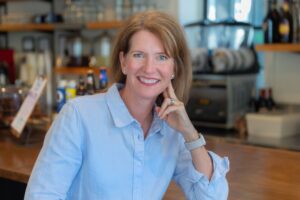
The chef and co-founder of Cúrate on cooking for two very opinionated kids, and the cookbook she wrote so her family’s food would be written down somewhere.
Small Bites: Once a month a themed Raddish box lands on the porch: a couple of illustrated recipes, a kitchen tool, a hands-on activity, and a skill lesson baked into each one. It’s dinner, a project, and a real cooking lesson in a single delivery. Subscribe for 6 or 12 months and they’ll add a free apron. 👉 Learn More
Get your copy of Spanish Accent right here! Spanish Accent: American Home Recipes with a Spanish Touch [Bookshop, Amazon]
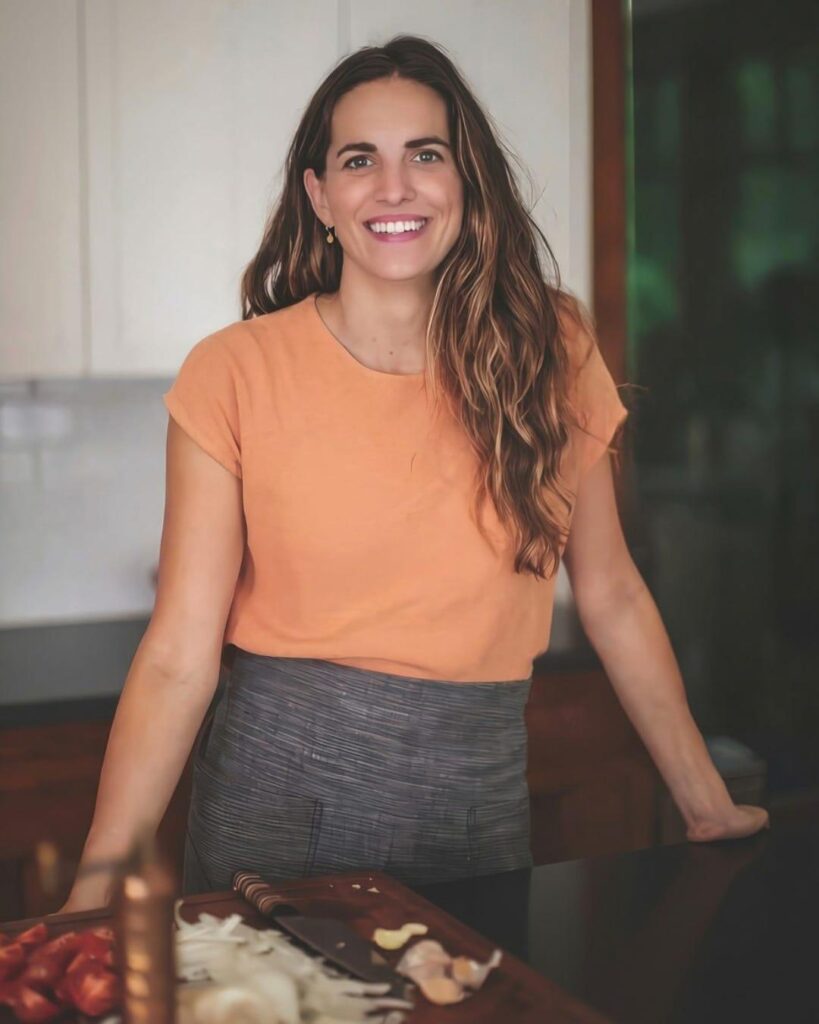
Something Familiar on the Table: Katie Button on Introducing New Flavors Without a Fight
One afternoon, Katie Button’s kids walked in from school and found seven desserts on the kitchen table. She had been testing dessert recipes all day and she needed tasters, so that was dinner. Was it healthy? Absolutely not. Did they feel terrible later? Yes. Was it worth it? A thousand percent, she says.
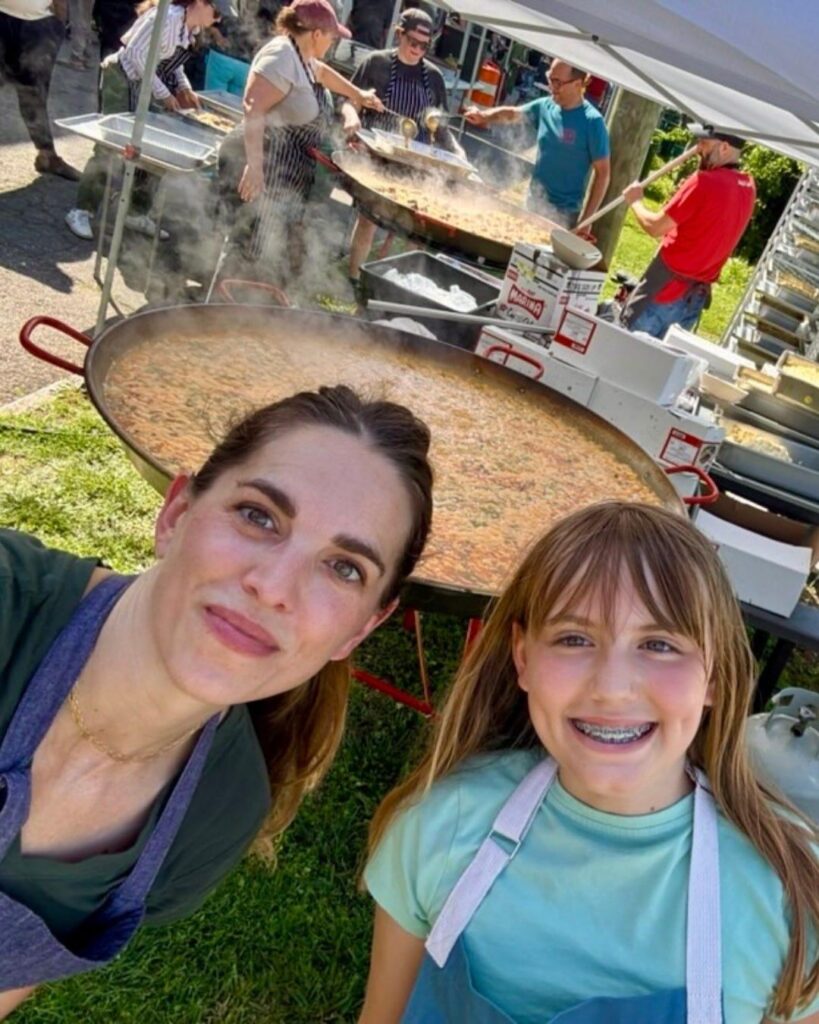
Katie is a chef and co-founder of Cúrate, the Spanish tapas restaurant she opened in Asheville, North Carolina with her business partner and ex-husband. She trained at elBulli, worked for José Andrés, and came to cooking sideways, by way of an engineering degree and a mother who ran a catering business out of their New Jersey house. That upbringing turned her into a foodie and gave her her love of cooking. Her kids are 8 and 11, half Spanish on their dad’s side, and entirely uninterested in sweet potatoes.
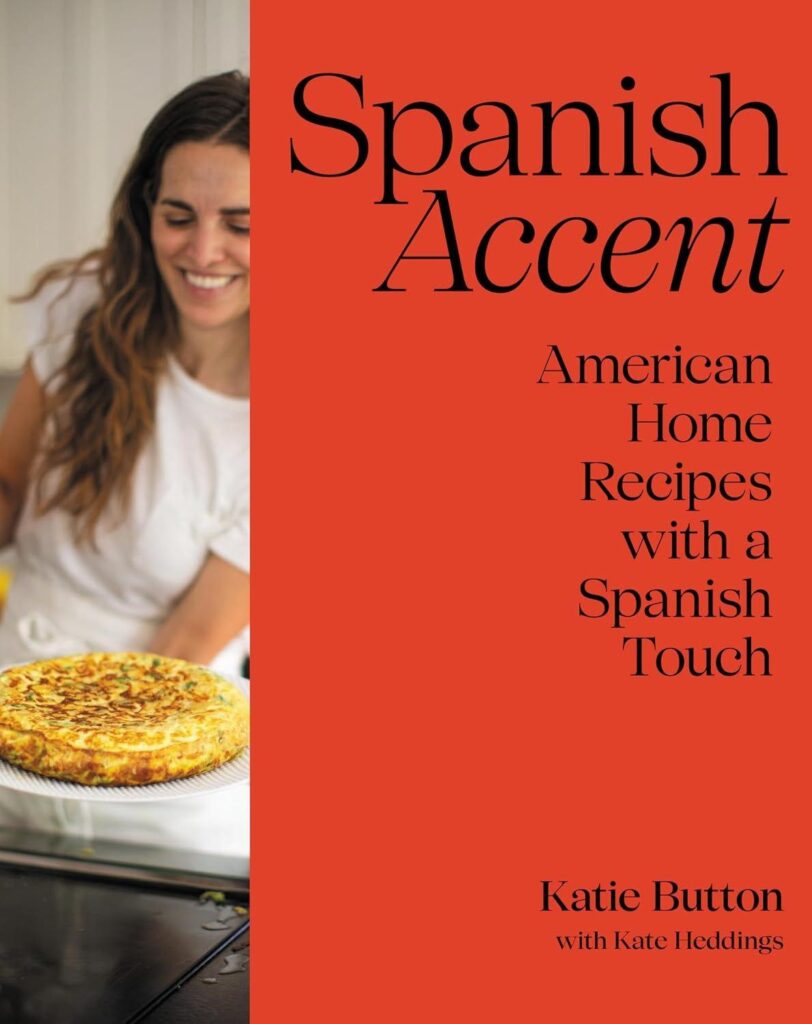
Her new cookbook, Spanish Accent: American Home Recipes with a Spanish Touch [Bookshop, Amazon], is out this week (October 27, 2026): the American food she grew up on with the Spanish flavors of her career folded in. Mashed potatoes with rosemary. A mint chocolate chip icebox cake her daughter asks for. We talked with Katie about what she actually feeds her kids on a weeknight, and why now was the time for her to write this cookbook. She wrote it partly so her kids would have their family’s food on paper, in a form they can cook from later.
Introduce Yourself: I’m Katie Button, chef and owner of Cúrate, a Spanish tapas restaurant in Asheville, North Carolina. I have two kids, 8 and 11 now, and they’re fabulous.
They’ve also seen it all, the whole development of the restaurant and every transition my work has gone through.
You grew up in New Jersey on American classics. What did dinner actually look like in your house?
My favorite dish growing up was baked ziti. I was a kid. Kids love pasta covered in tomato sauce and melted cheese and baked.
We had family dinners and they were really important, but they weren’t always home-cooked. Because my mom ran a catering business, plenty of nights she was too tired to cook, so we’d pick up a roast chicken from Boston Market and still sit down and eat together. Burrito night was the other classic. She’d take a can of baked beans and doctor it with butter and extra cumin and a little cayenne, and my dad would make smoothies.
I was the family cake baker. German chocolate cake for my mom, Boston cream pie for my dad, devil’s food around Valentine’s Day. I think it was the precision of baking that was lovely to me, and it was an easy entry into cooking.
You barely spoke Spanish when you started at elBulli. What did that kind of intensity teach you?
As soon as I started working in restaurants, I fell in love. elBulli was probably the peak of that, because it was really about every single dish and every detail being perfect. But I loved it. I loved the pressure, the energy of working service at night, the flow of it.
The best thing about the restaurant industry is that you’re almost constantly under stress. There are always fires you’re preventing, things you’re adjusting to. It makes you better at managing stress, almost by exposure. So as a parent, I can hold my calm a little bit.
It wasn’t that way in the beginning. Being a new parent is stressful and hard and it’s a lot. But everything eases over time, and the anxiety doesn’t come back the same way. The restaurant industry prepared me very well for being a parent, because little fazes me and I pretty much think any problem can be solved.
Your mom had her own career renaissance once you and your siblings were grown. Has that shaped how you think about ambition and motherhood?
It’s really important. I no longer work nights or weekends at the restaurant, and I’m not on the line. We hired a chef. That transition happened around when I had my second kid, because it became very, very difficult.
I’m still very much managing the restaurant, tasting food with the chef, talking about it, making adjustments. The menu is mine from the beginning and it’s still there. But I can’t possibly do that and take care of an 8-year-old and an 11-year-old at the same time. So I went looking for other ways to express the creative cooking side, and I’ve really gotten into writing books.
What does a normal weeknight dinner look like at your house?
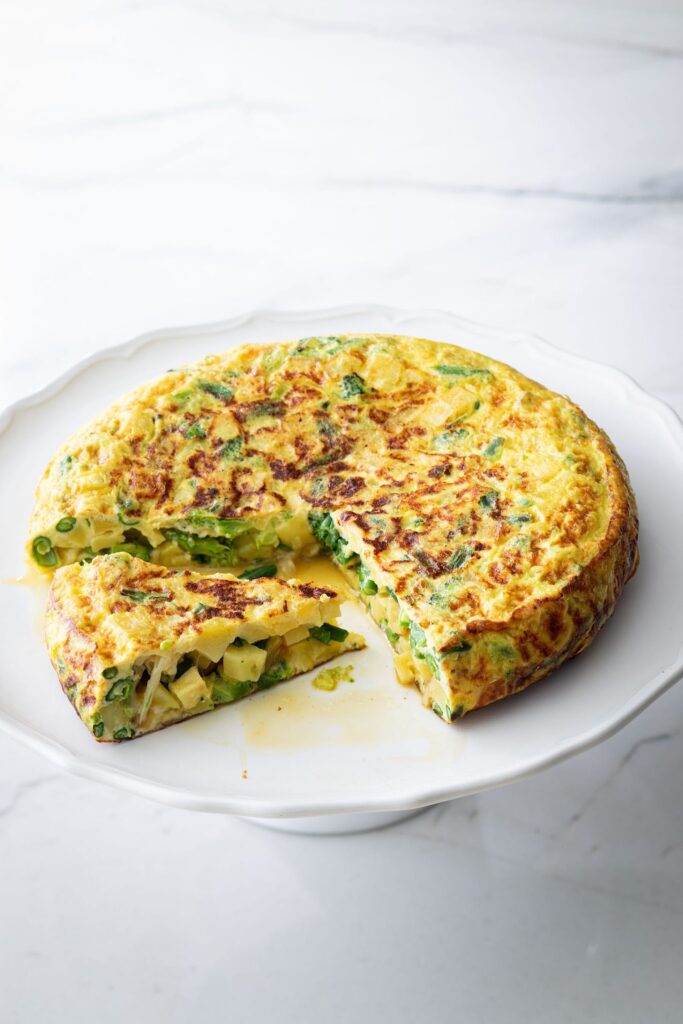
Just last week I made pan con tomate, which is bread smeared with tomato, olive oil and salt. Very Catalan, very much where their dad is from. And then omelets. My daughter likes ham or turkey in hers, my son doesn’t like anything in his, and the things have to be just that way. That’s what we ate for dinner. That’s a typical example.
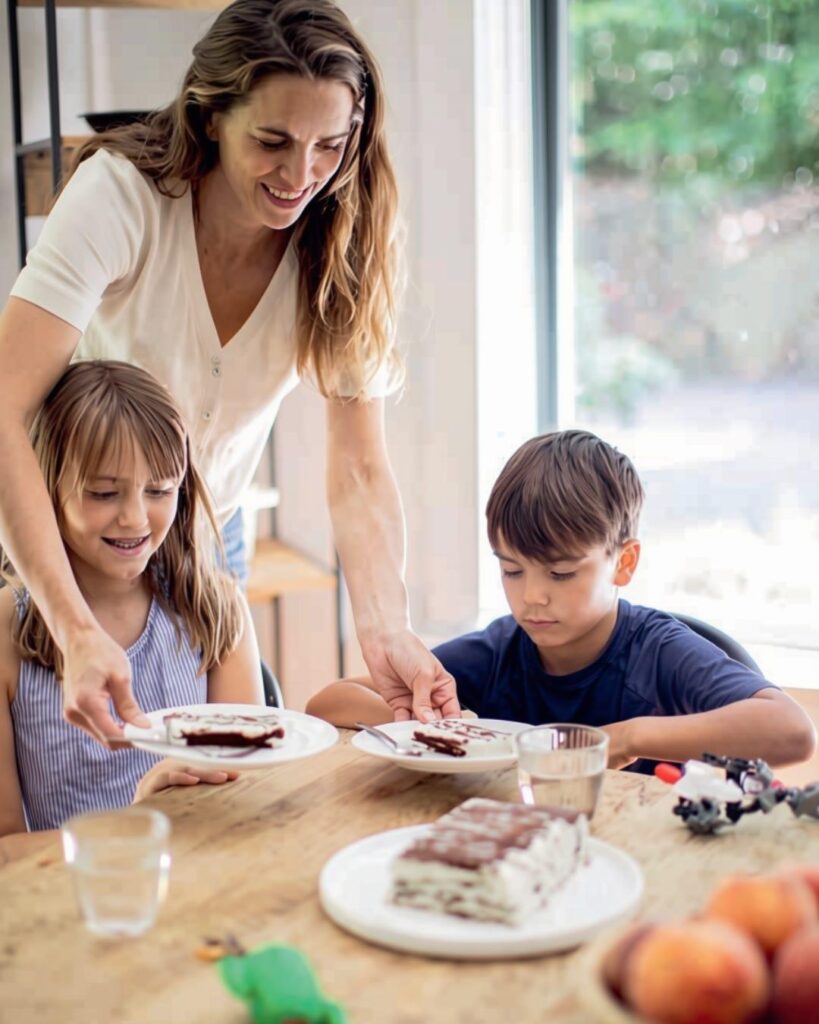
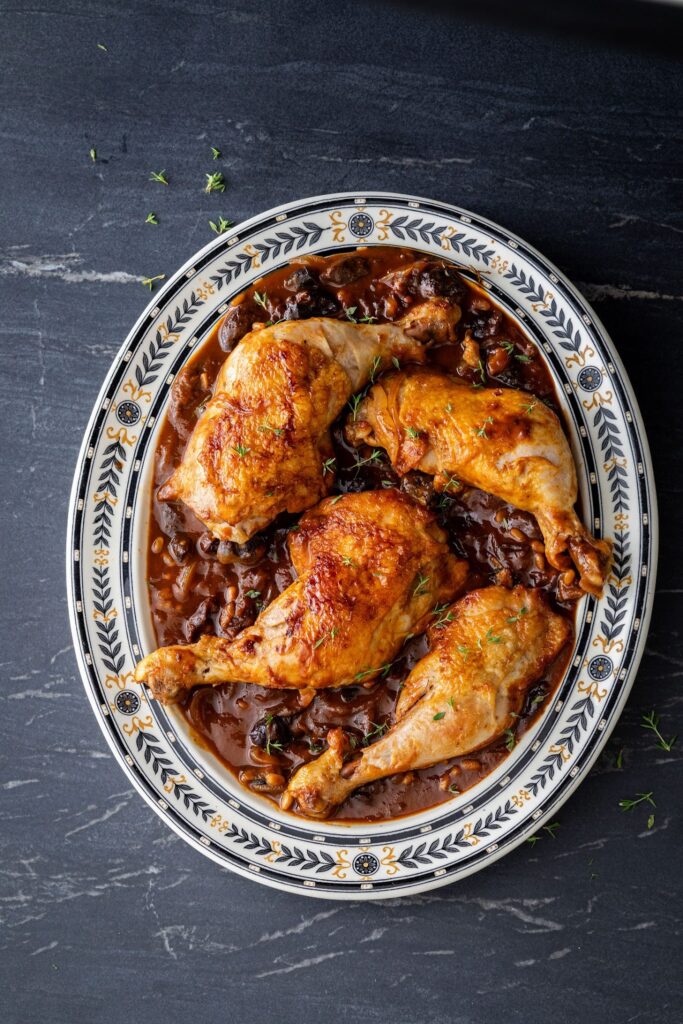
If I’m cooking one real thing, like roast chicken, I’m probably just steaming broccoli or throwing together a salad alongside it. What my daughter loves is the salad bar, because she gets to pick her own things. Instead of me putting the salad together, I put up options and she builds one she’s actually going to eat. That makes us all happy, and I’m not doing that work.
The other thing that makes dinner much easier is measuring out ingredients earlier in the day. I can’t always do it, but on the days I can, I pre-measure everything on the ingredient list into little dishes and stick them in the fridge, and cooking later is night and day faster. Now that my daughter’s older, I’ve been thinking about having her do the sous-chef work. Hey, while I’m running around, could you measure this stuff out for me?
What happens when your kids push back on what you serve?
Oh, that happens all the time. Are you kidding me? I can’t get either of them to like sweet potatoes. There’s a recipe in the book I made for them with butter, sugar and miso, and I’m basically saying, look, I put brown sugar on this, you should like this. Sometimes it’s just not going to happen.
So what I do is always have one thing on the table that I know they’ve eaten before and that’s familiar. That’s how I get around it. But I still cook sweet potatoes, because I love sweet potatoes and I know they both hate them and I don’t care. Also because eating, you have to try something, 10 or 20 times before you grow to like a taste.
The foods they’re familiar with are the ones I cooked most often when I was really busy running the restaurant. Steamed green beans, steamed broccoli, that stuff they’ll eat. I wasn’t taking an hour to throw sweet potatoes in the oven back then, so now they don’t want them. But I don’t let it stress me out. As long as there’s something on the table they’ve eaten before, it’s going to be okay.
What have you had to let go of, and what are you still holding onto?
I want to give them choice, but I also want to make sure they try new things. So I have one rule: you must try it. You don’t have to eat it, but one bite. I know there are conflicting opinions about that. Some parents I talk to put everything on the table family style and just leave it. For me, a bite, even a nibble, is a requirement. What I’ve let go of is whether they eat anything after that.
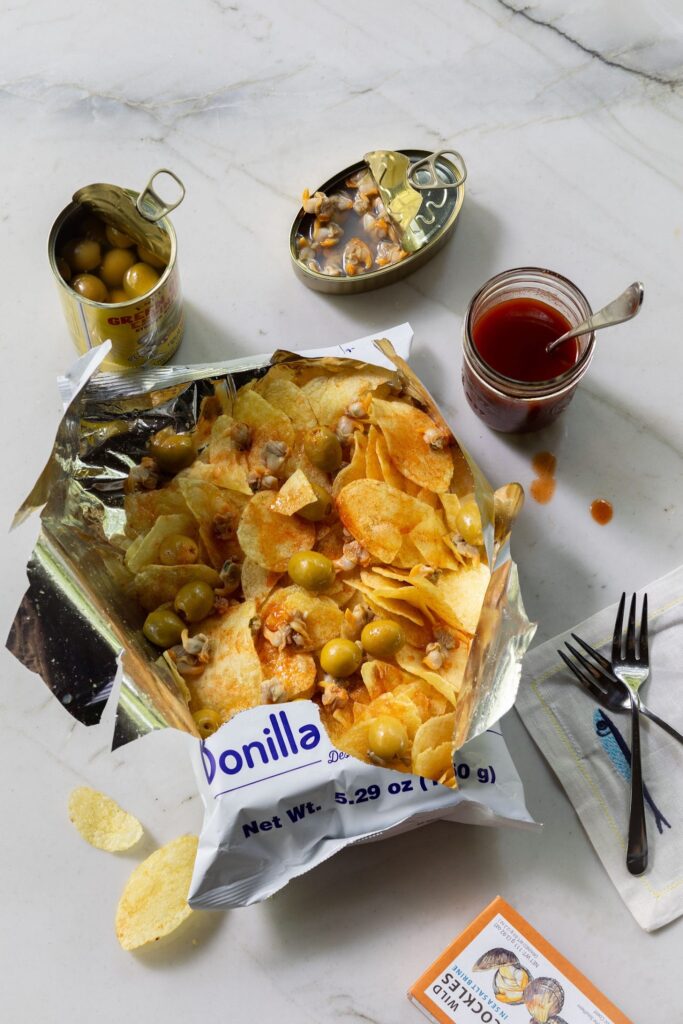
My biggest struggle is snacks, because I can’t police the pantry when I’m not there. I like having tortilla chips around, and then they’re filling up on them at four o’clock and won’t eat dinner, and now I know why. So I’m trying to get less of that in the house and offer yogurt and other options, and to accept that they’re going to have a snack at four. At least it isn’t half a bag of chips. If anyone has a solution to the pantry of snacks, let us know.
Two chefs you admire have said that being a mom and running a kitchen means feeling guilty no matter where you are. Is that still true for you?
Most of the time I feel totally at peace with the work decisions and the home decisions I’ve made. But I don’t think I can ever let go of this feeling that I could be a better parent. Honestly, what parent doesn’t have that same narrative in their head?
The guilt comes from this place of, I could be spending more time, I could get down on the floor and put the Legos together, I could do these things. And then also there’s me, and I’ve only got so many hours in a day. So overall I’ve come to peace with it, with a nugget of guilt that’s still there and probably always will be.
Spanish Accent runs the American food you grew up on through the Spanish flavors that shaped your career. Why was this the book to write now?
I want my kids to understand our home food identity, and to have something tangible they can cook from in the future and remember what we cooked together. As a chef, to write a book of our family recipes that they get to take on feels very special. I feel lucky to be able to leave that for them and have it also be part of my job.
And I wanted to show what it looks like to take bits and pieces of Spanish food and culture and add them to very classic, traditional American family dishes. It’s a story I’m lucky enough to be able to tell, because of my professional background and my children. I hope it gets people to grab a few Spanish ingredients and learn a little in a way that feels familiar.
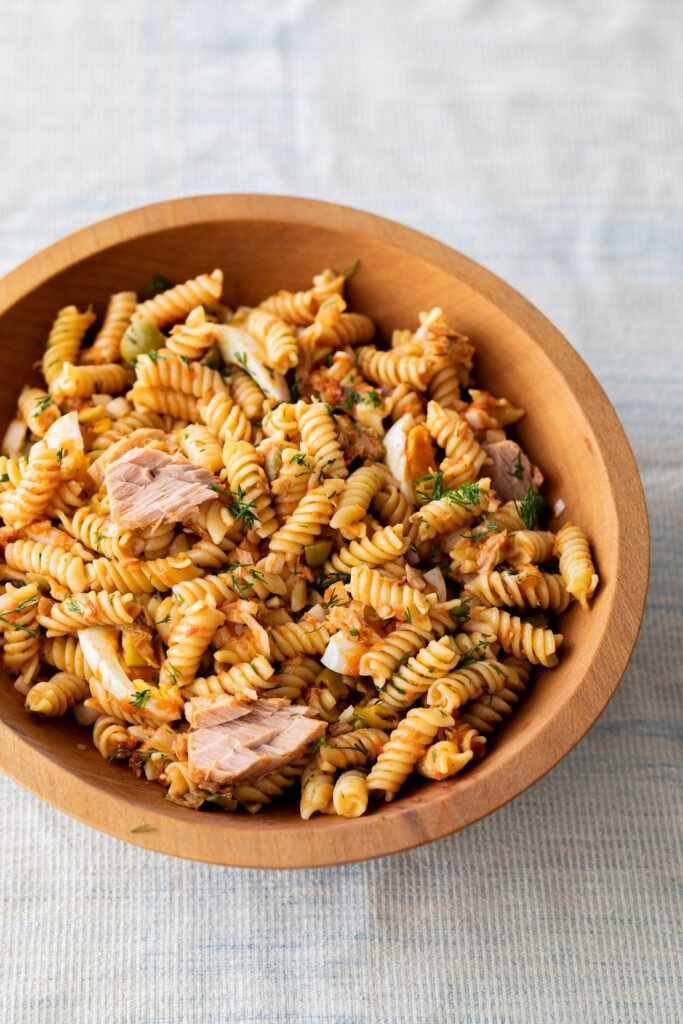
You’re always introducing a new flavor while keeping something familiar on the table. What does that look like in a recipe?
It starts with something like mashed potatoes. My children love mashed potatoes, and it’s really easy to infuse them with rosemary and butter and garlic. Now they’re tasting something familiar they love, with a completely different flavor profile than the mashed potatoes I grew up on, which were butter and cream.
Or chocolate chip cookies with Marcona almonds and orange zest thrown in. My daughter’s absolute favorite recipe is a classic Spanish freezer dessert called La Comtesa, a semi-frozen icebox cake loaf. I wrote a version for making at home and we make it together now, because it’s that easy and it’s delicious. Mine is mint chocolate chip, because I put peppermint extract in, and mint chocolate chip ice cream is everywhere here. Such an American thing. It’s probably the fastest dessert I’ve ever made.
Anchovy paste works the same way. The difference between a pot of beans cooked just with vegetables and water, and that same pot with a hint of anchovy paste, is mind-blowingly different. You can add a little bit of something to something really simple and completely change it, and nobody eating it would have any idea you put it in.
Is there a dish you’re consciously passing down?
Croquetas, for sure. It’s not something I do all the time. It’s more when I have leftover roasted chicken, or after Thanksgiving when there’s leftover turkey, and I shred the meat and mix it into béchamel and make them and freeze them. They’re amazing.
I’m also constantly trying new versions, and every time I do, my kids revolt. In the book I make chicken pot pie croquetas. They love chicken croquetas, they’re used to those, but they could not believe I put carrots and peas inside. And I said, you guys, I grew up on chicken pot pie, it was my favorite childhood dish, I’m trying to give it to you inside something you already love. Can you please just take this? They may never love chicken pot pie, because I obviously haven’t exposed them to it. But they love croquetas, so that’s okay.
Beyond any single recipe, what do you hope they remember about food growing up in your house?
Most of all, and I know they will remember this, they’ll remember sitting down and having dinner together. Period. The rest of it is fine. Regardless of whether it was the night I threw spaghetti in a pot with a can of sauce, which everybody does, or the night I made the thing they turned their noses up at because it was too fancy. The thing I hope they remember is all of us sitting at the table, for that moment.
One cooking skill you think every home cook should learn?
Learning how to cut an onion is very worthwhile, and it’s the same technique for shallots and other things. You basically make planks, then cut vertically, then chop. There are a lot of videos online about how to do it. It saves so much time, it’s crazy. And once you know how, you can apply it to a million other things.