Small Bites:
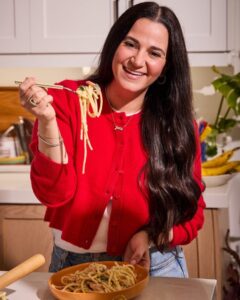
This Native American Heritage Month, discover the incredible ingredients and stories behind Tocabe Indigenous Marketplace—cofounded by Ben Jacobs of the Osage Nation. Each item you buy supports Native farmers and keeps food traditions thriving.
👉 Get 15% off your order with code ONEPOTATO
Revisit our interview with Ben Jacobs to learn how he and his business partner, Matt Chandra, are making Native flavors accessible while fostering sustainability and food sovereignty.
tawâw: Progressive Indigenous Cuisine by Shane M. Chartrand Revisit our interview with Chef Shane, and be sure to explore his cookbook!
Honoring Native American Heritage Month: The Story Behind Native Soul Cuisine
November is Native American Heritage Month, a time to honor the history, cultures, and contributions of Indigenous peoples across the United States. It’s a moment to celebrate resilience, reflect on truth, and recognize that Native communities and Native foods are not just part of our past, but a vibrant, living part of our present.
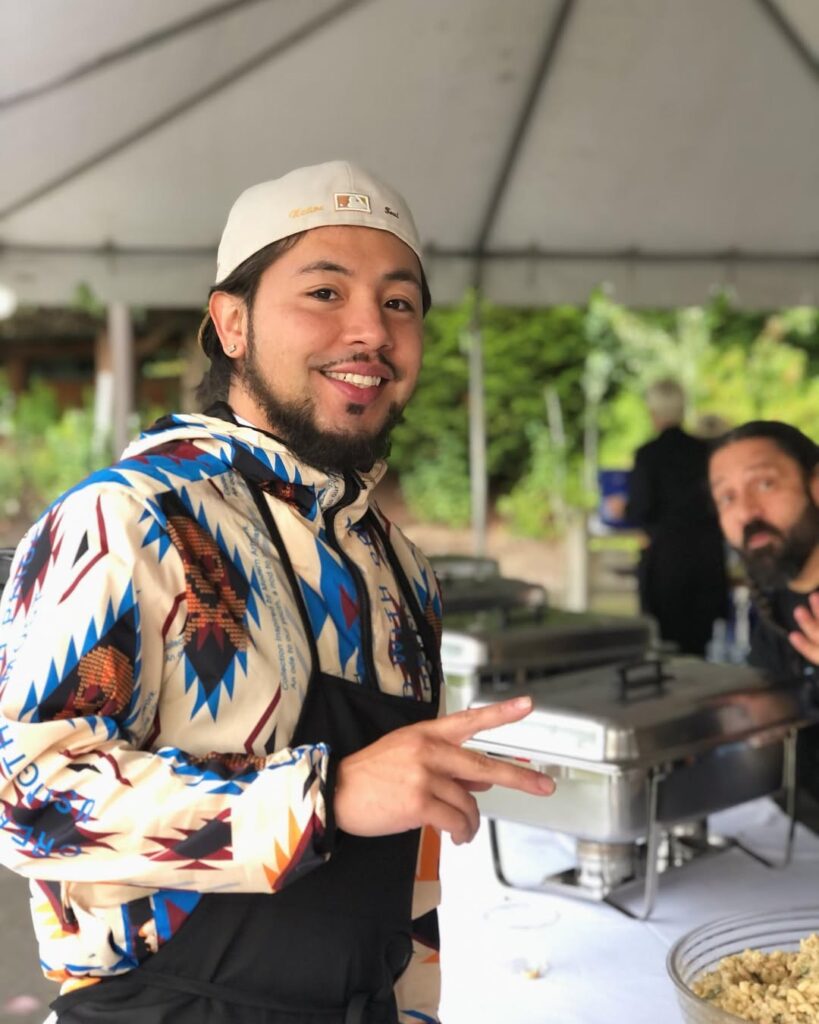
At One Potato, we believe food tells the story of who we are and where we come from. That’s why, throughout this month, we’re honoring Native chefs who are preserving tradition, reclaiming identity, and bringing Indigenous foodways to the table. Last year, we spoke with Ben Jacobs, co-founder of Tocabe and the Tocabe Indigenous Marketplace, about how his Osage roots and community-first approach are redefining Native cuisine; we also spoke with the incredible Chef Shane Chartrand, indigenous chef, about his journey to becoming a chef, cooking with Native ingredients, and teaching non-Native people about his culture. This year, we’re continuing that conversation with another chef who’s carrying that torch in his own way: Chef Jeremy Thunderbird, founder of Native Soul Cuisine in Seattle.
When Chef Jeremy Thunderbird first started serving plates of fry bread tacos, blue corn tamales, and cedar-smoked salmon mac and cheese at pop-ups around Seattle, he didn’t set out to start a movement, he just wanted to share the flavors that felt like home. An enrolled member of the Sḵwx̱wú7mesh, Ohlone, and Chumash tribes, Jeremy noticed a glaring absence of Native American cuisine in Seattle’s food scene. What began as a rediscovery of pride became a purpose: to share the flavors, stories, and spirit of Indigenous cooking with his community.
Jeremy’s food blends tradition with creativity, showcasing the deep history and culture behind each dish. Beyond the kitchen, Jeremy is dedicated to sharing his knowledge with the next generation, teaching young people about Native culture, culinary traditions, and the power of food to preserve history.
Join us as we sit down with Chef Thunderbird to talk about finding pride in identity, the meaning of Native food today, and how every meal can be an act of remembrance and renewal.
A message from our friends at Tocabe:
The Original American Ingredients — From Tocabe’s Kitchen to Yours
Before corn, beans, squash, and bison became staples of the American table, they were, and are, Native foods, cultivated and cared for by Indigenous communities for generations. Ben Jacobs, co-founder of Tocabe Indigenous Marketplace and member of the Osage Nation, is on a mission to bring those ingredients and their stories back to the center of the plate.
Through Tocabe, Ben and his team partner directly with Native growers to make it easy for families to cook with intention while supporting Indigenous food sovereignty.
Because the best meals nourish more than just your body—they nourish community.
✨ Explore Tocabe’s pantry and get 15% off with code ONEPOTATO

A Conversation with Chef Jeremy Thunderbird
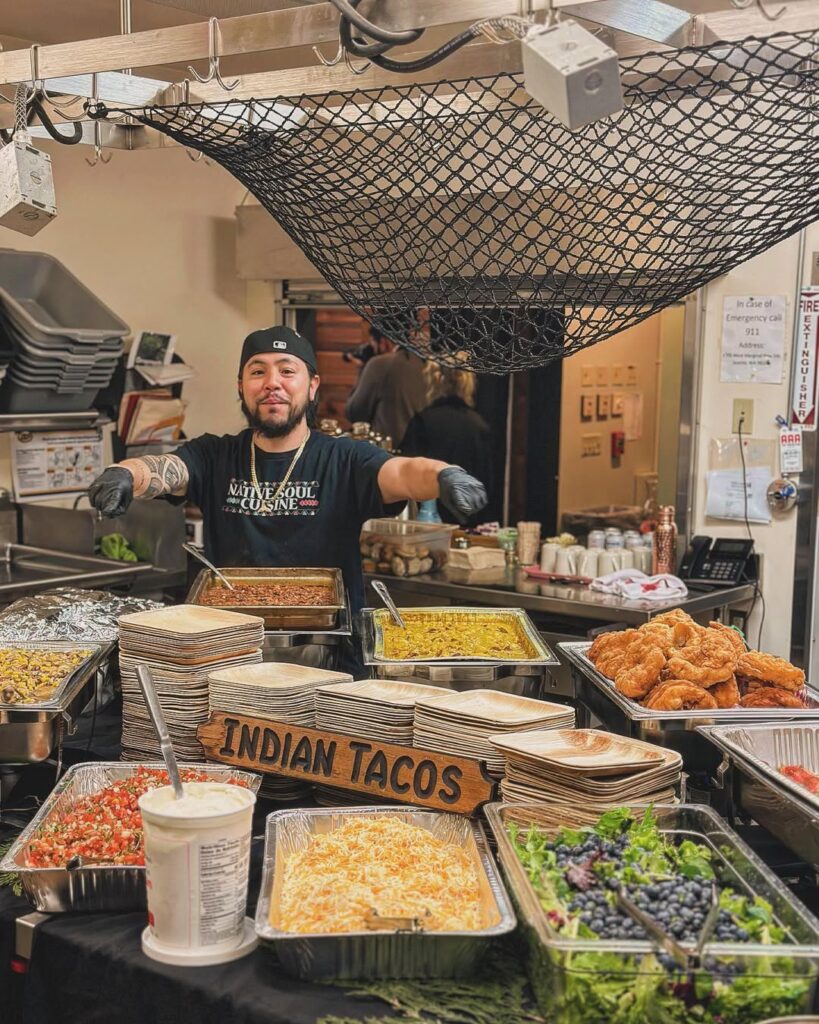
Introduce Yourself: I’m Chef Jeremy Thunderbird, and I own Native Soul Cuisine, a Native American soul food company based in Seattle, Washington. I have a nine-year-old daughter.
The idea for Native Soul Cuisine came to me back in college when I started researching my heritage. I learned that Native Americans actually played a huge role in shaping what we now call soul food; for example, things like barbecue, which comes from Indigenous cooking methods of slow-roasting meat over fire. Even the word barbacoa comes from Native roots. So the name Native Soul Cuisine felt right—it honors both that history and my personal journey.
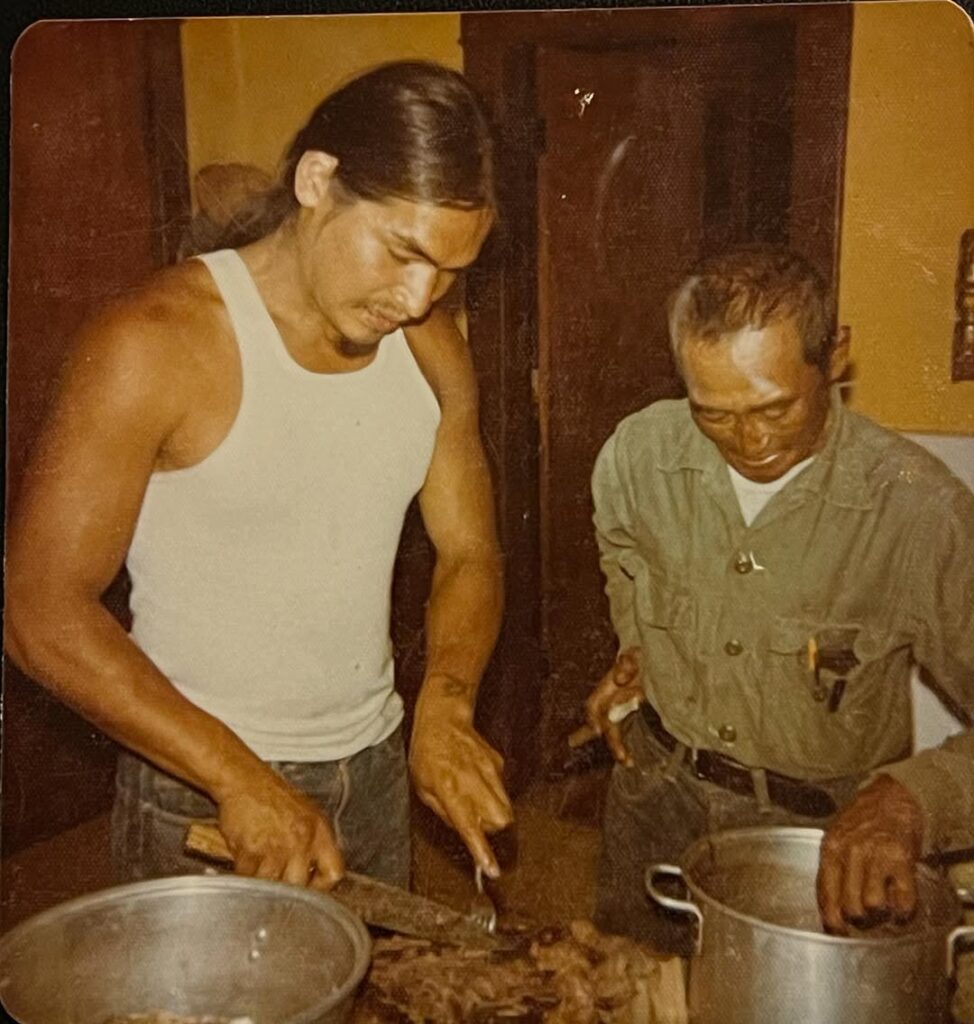
Cooking has always been a part of my life. My mom’s one of twelve, and my dad has three siblings, so family gatherings were big and centered around food. The men in my family are incredible cooks, especially my uncles, who love to barbecue. I started helping in the kitchen really young, and that’s where it all began for me.
Do you have a strong family food memory that stands out from those early days?
My grandpa, my mom’s dad, was a cook in the Navy and had to feed twelve kids, so everyone says he was an amazing cook. I never met him, but his food stories were legendary in our family. I think that passion got passed down through the generations.
Some of my earliest memories are of family barbecues—waiting impatiently for my uncles to finish cooking, standing by the grill until they’d hand me a rib hot off the coals. Those moments, surrounded by cousins and laughter, are burned into my memory. Food was always at the center of celebration—it’s part of Native culture. We have potlatches, which are gatherings between tribes that include feasts, dancing, and giving. That sense of coming together around food has always been part of who we are.
You’ve talked before about how, growing up, you didn’t always feel proud of being Native. What changed for you?
That’s true. When I was a kid, I didn’t really understand what it meant to be Native, and sometimes it even felt like something to hide. I remember being four years old in preschool when the teachers played Peter Pan during snack time. There’s that dark scene where the characters chant “savages,” and the kids around me started banging on the tables, singing along. It made me feel small and ashamed—like the people on screen were supposed to be me, but in the worst way.
It wasn’t until college that I started reconnecting. I wanted to learn who I was and where I came from. So instead of filling my electives with easy classes, I took history, sociology, and cultural studies. The more I learned, the more I wanted to know. I studied the links between Native and African American foodways—how Indigenous ingredients and techniques shaped soul food. That research gave me back my pride and purpose.
You’re raising your daughter while building Native Soul Cuisine. How do you share your heritage with her?
My daughter’s turning nine next week, and she’s been going to powwows since before she could walk. Powwows are cultural gatherings with drumming, dancing, food vendors, and art; it’s like a big family reunion for Native communities.
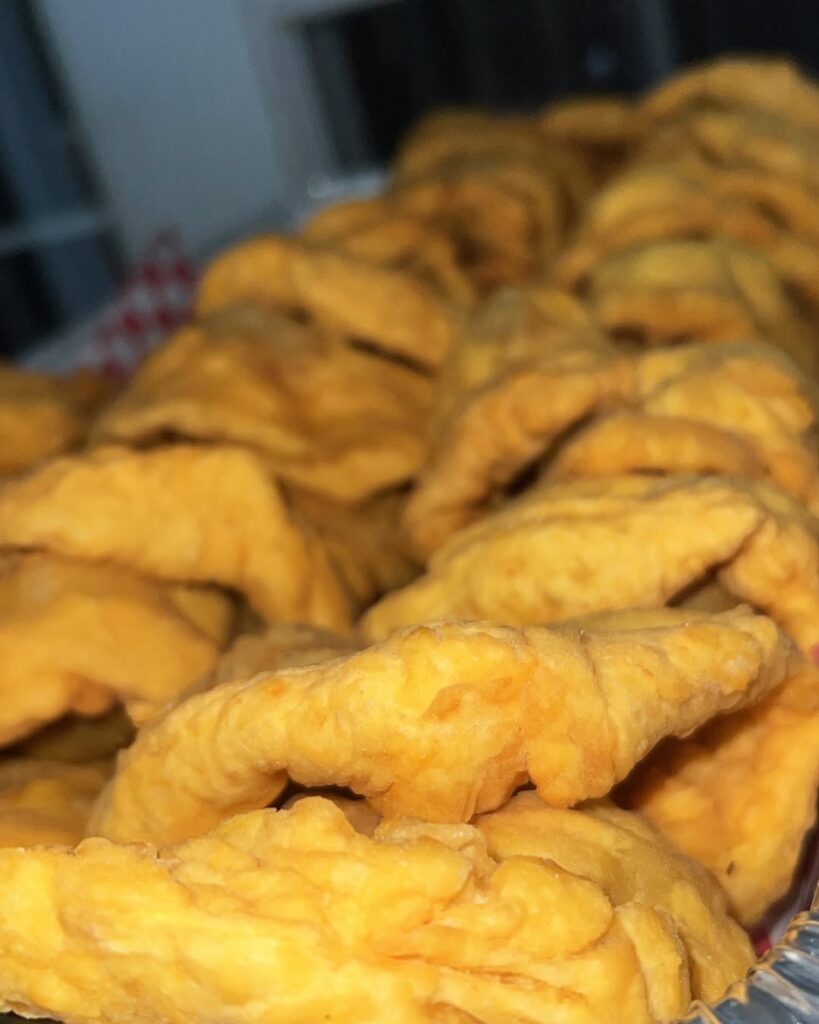
One of my favorite things to share with her is fry bread. It’s iconic, it’s what you get at every powwow, kind of like a funnel cake at a fair. We make fry bread tacos topped with chili, lettuce, tomato, cheese, and onions. They’re nostalgic for me because I grew up waiting in those long lines, and now I get to share that same experience with her.
Her mom isn’t Native, so I want to make sure my daughter grows up understanding both sides of who she is. Food is honestly one of the best ways to do that. It connects her to her roots in a tangible way.
Speaking of fry bread… Are there regional differences in fry bread or how it’s made?
Oh, absolutely. My dad’s side is Squamish from Vancouver, BC—First Nations. Up there, they call it bannock instead of fry bread. It’s thicker, more like a biscuit. Down in the Southwest, especially among the Navajo, the fry bread is flatter and crispier—closer to an elephant ear.
Even the toppings vary, like for example, down south, you’ll find a lot of green chile in everything. I spent time on the Navajo Nation and saw people roasting hatch chiles right over the coals. Every tribe has its own twist, and there are even fry bread competitions at powwows. It’s friendly rivalry, but it’s also a way of keeping those food traditions alive.
And there’s deep history behind it. Fry bread started as a survival food; when Native people were forced onto reservations, the government gave out rations of flour, lard, and sugar, and that’s all families had to work with. They made fry bread out of necessity, and it became a symbol of resilience.
Tell us more about the dishes you create at Native Soul Cuisine. How do you blend heritage and creativity?
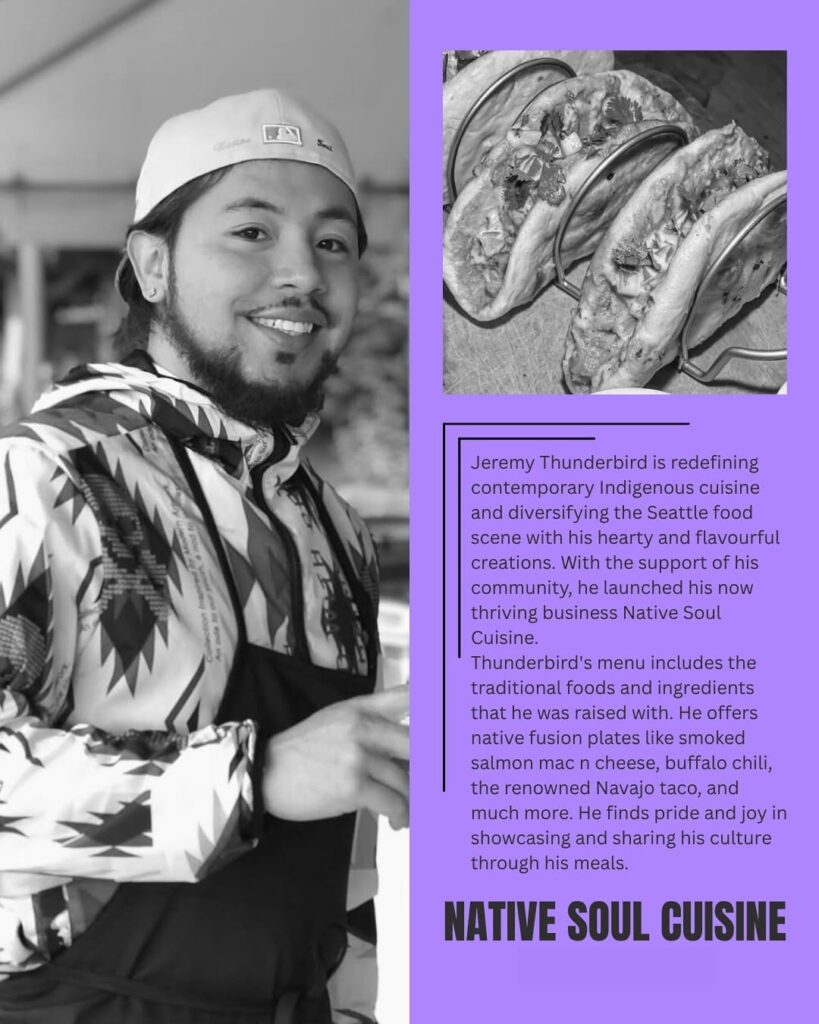
I like to say food is a history book. Every dish tells a story. I work a lot with Indigenous ingredients like blue corn—it’s earthy and beautiful, and I use it in our blue corn cornbread, which is a nod to both Native and Southern traditions.
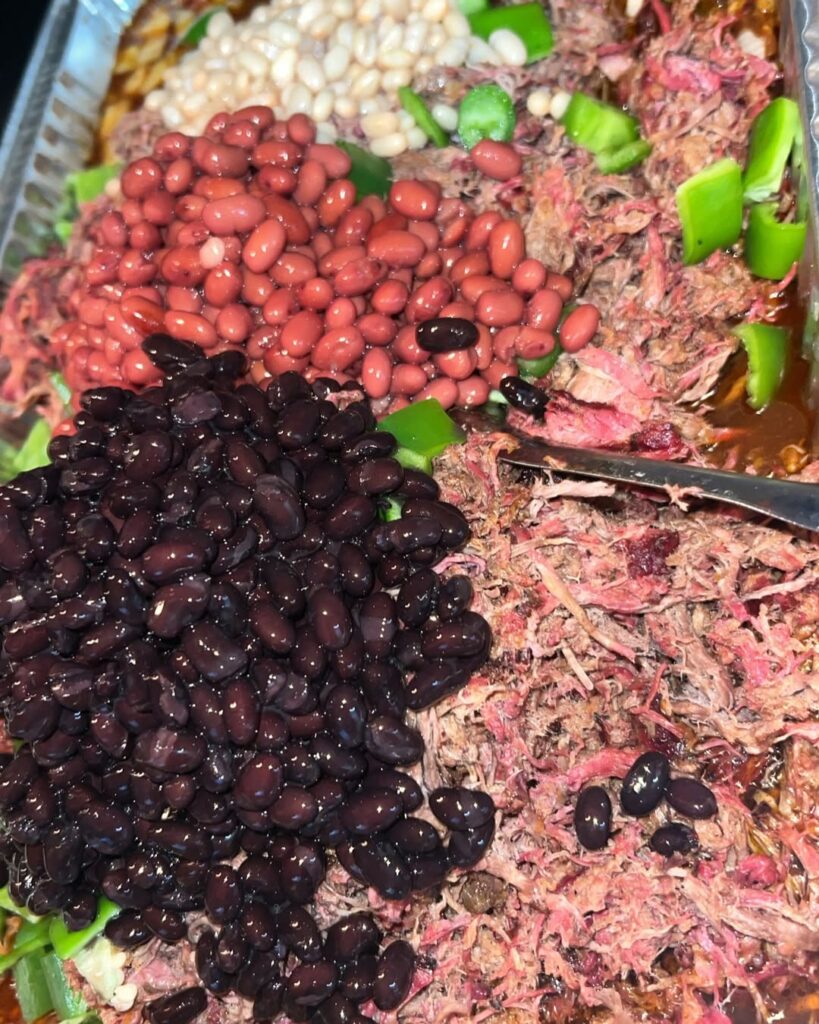
Another favorite is our smoked salmon mac and cheese. We smoke the salmon the Native way—using alderwood and a long brine—then fold it into mac and cheese with eight kinds of cheese. It’s rich, smoky, and a true mix of cultures, kind of like lobster mac but rooted in the Pacific Northwest.
I also love experimenting across cultures. One of our most popular dishes when I did pop-ups was a fry bread taco topped with Trinidad-style curry chicken. It brought together Native and Caribbean flavors in a way that just worked.
Native Soul Cuisine is also about education. How do you see food helping preserve and share Native culture?
Food is one of the few cultural pieces we never lost. My grandmother was in one of those government-run boarding schools where they tried to “kill the Indian, save the child.” They cut the kids’ hair, banned their languages, erased traditions. She never talked much about it, but I know it shaped her.
Still, she kept cooking. She made tortillas—because where she was from in California, that was traditional—and gathered wild herbs like chamomile, which she called pineapple weed. I didn’t realize until much later how powerful that knowledge was. Those recipes and remedies carried our history when so much else was taken away.
Now, I work with youth and speak at schools and events, especially for Native kids who are still trying to figure out who they are. If I can be someone they look at and think, He’s doing something cool, and he’s proud to be Native, then I’ve done something right.
What’s next for Native Soul Cuisine?
The big dream is to open a brick-and-mortar restaurant. I’m taking my time to build a strong foundation before I make that leap—right now, catering keeps us busy and growing.
I also want to expand the educational side of what I do. This fall I’m speaking at the Native Grown and Gathered Food Expo, giving a “lightning talk” about entrepreneurship. I’d love to do more of that—sharing not just food, but the story and pride behind it.
For families new to Indigenous foodways, what’s one dish or ingredient you’d encourage them to try?
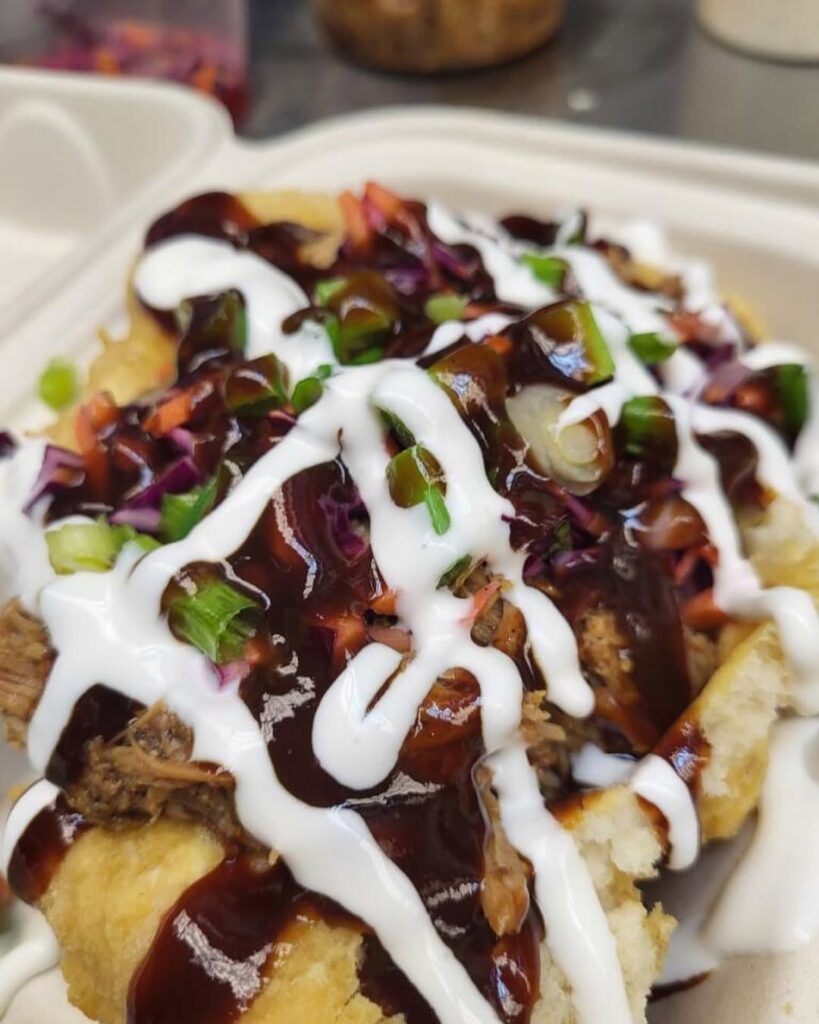
Start with the Indian taco. It’s approachable and delicious—a gateway dish, you could say. But beyond that, explore ingredients like wild herbs, blue corn, or even acorn coffee. Our ancestors were foragers, and there’s so much healthy, natural food that comes from the land.
Unfortunately, a lot of Native communities today live in food deserts and have high rates of diabetes. Part of my mission is to bring attention to that and promote traditional foods as both nourishment and medicine.
What’s one cooking skill every home cook should practice?
Learn how to barbecue—really barbecue. Being a pit master is all about patience and understanding your fire. Not every wood works for every meat, and that’s something worth learning. Start with alderwood if you can; it’s my go-to for fish. And if you don’t have someone to show you, YouTube University is always open.
You can follow Chef Jeremy Thunderbird on Instagram @nativesoulcuisine
& Don’t forget to follow US on IG @onepotatobox ❤️
Note: This newsletter may contain affiliate links from our friends & sponsors.