This post contains affiliate links. If you buy through them, One Potato may earn a small commission at no extra cost to you.
Food People, Parent Picks: we ask our favorite chefs, food writers, and industry insiders who we interview in our Order Up! Series to share the products, books, and bites they can’t live without.
Small Bites:
Books, Books, Books, by Chef Arlena Strode, Changing the World One Kitchen at a Time Series by the Children’s Culinary Institute:
The Emperor of Chefs: The Story of G. Auguste Escoffier
Six Star Chicken: The story of Eugenie Brazier
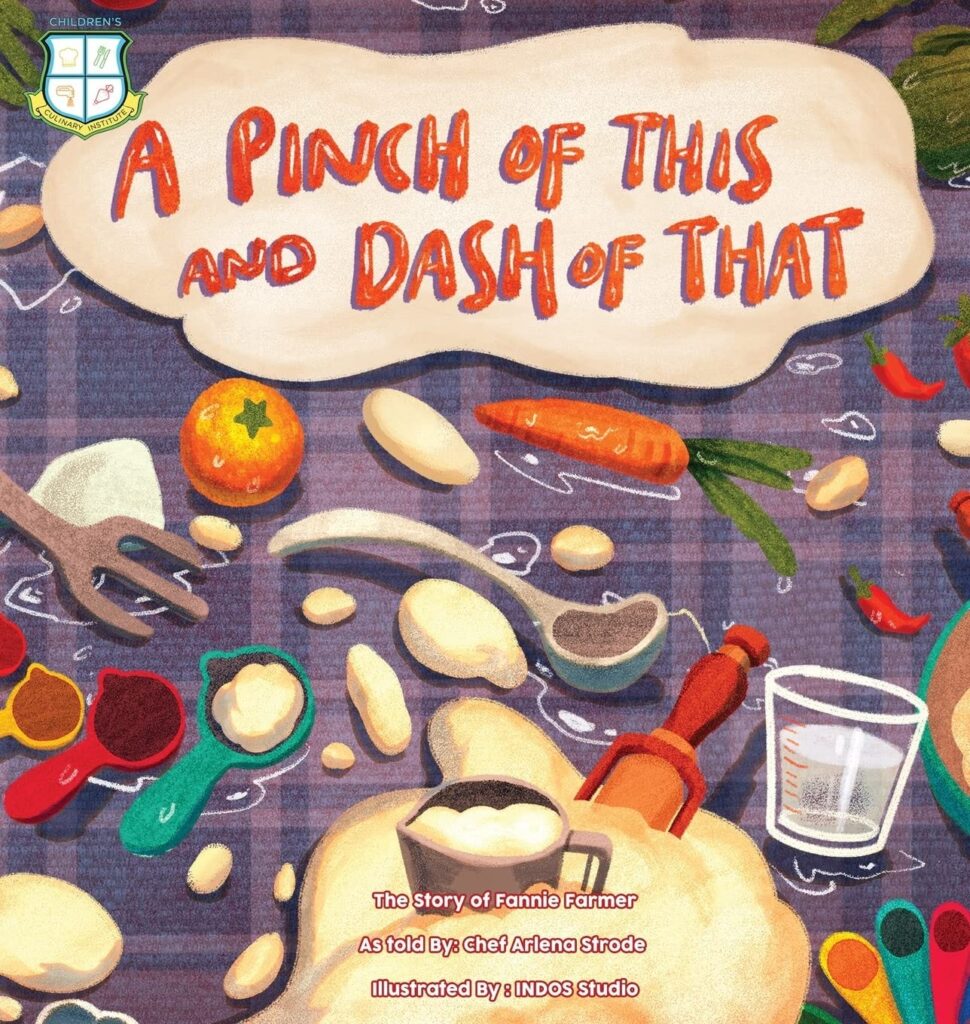
A Pinch of This and a Dash of That: The Story of Fannie Farmer
The Worst Cook in New York: The Story of Mary Mallon
Food Bridges: The Story of Leah Chase
After 16 years, 3 countries, and more than a few puff pastry miracles, Chef Arlena Strode has taught thousands of kids how to cook—from toddlers learning to slice soft bananas with a Montessori chopper to teens mastering yeast-based doughs and meal prep. Her curriculum at the Children’s Culinary Institute is rooted in real kitchen skills, but the lessons go far beyond recipes: it’s about building confidence, feeding curiosity, and showing kids what they’re capable of.
Following our longer Order Up! interview, Arlena is back with her favorite tools, pantry staples, and cooking class crowd-pleasers. From pancake art to pre-made cake mix hacks, these picks are all about making food fun, approachable, and educational for kids (and their grown-ups). Whether you’ve got a veggie skeptic or a preschool sous chef, there’s something here for every family table.
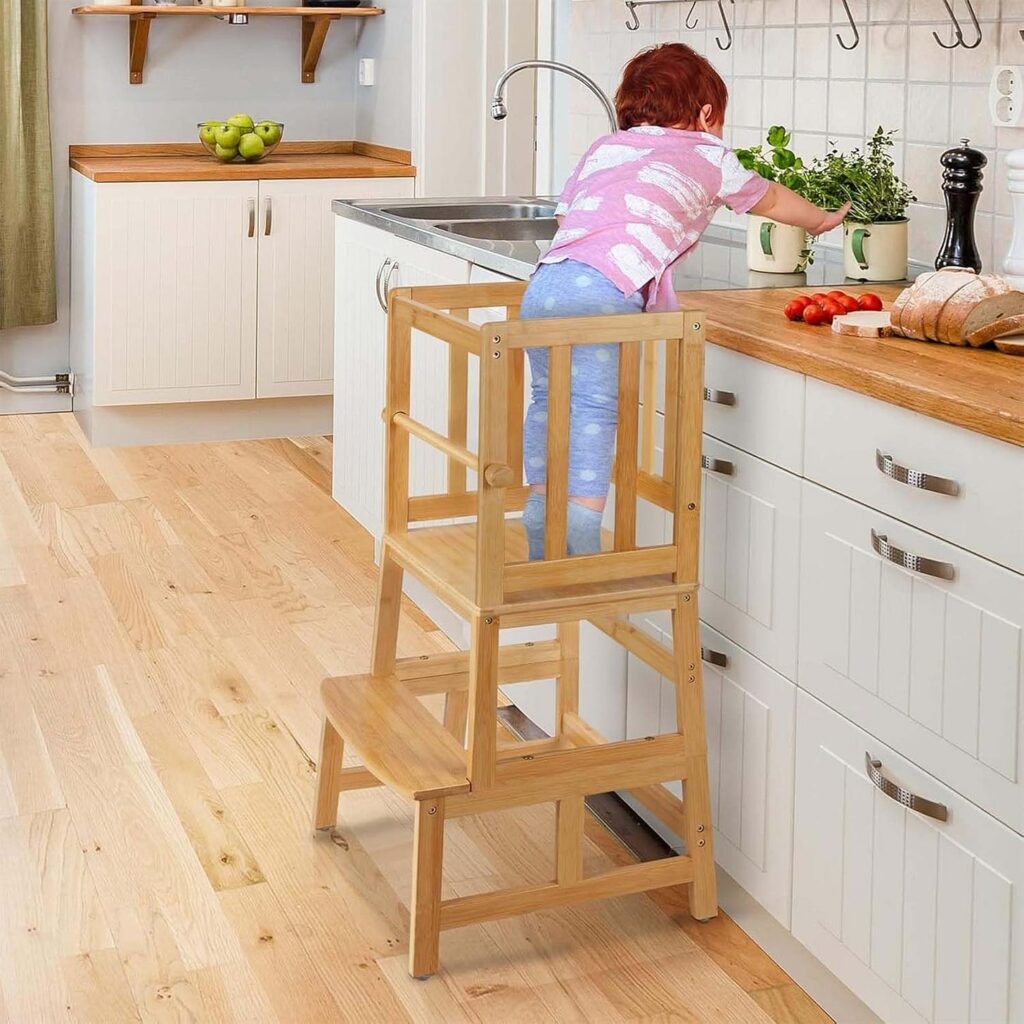
What’s one tool every parent should have if they want to start cooking with their kids?
A sturdy step stool or kitchen tower makes a huge difference—getting kids safely up to counter height lets them truly participate. And a set of age-appropriate kid-safe knives is key. My grandson is just one, and he already uses a Montessori-style chopper in his high chair with soft foods like bananas and cooked carrots. It’s all about matching the tools to their stage.

Is there a pantry staple you always keep on hand for kid-friendly meals?
Flour and yeast! They’re not only useful, they’re exciting for kids. Teaching how yeast “wakes up” and creates bubbles is always a hit—it’s science and cooking in one. You can make so much from scratch with just those two ingredients.
What’s a beginner recipe that’s always a win in your cooking classes?
Breaded zucchini. It never fails—kids walk in saying they hate zucchini, but by the end they’re eating half of one. They love learning the wet-hand/dry-hand technique, and it’s messy, fun, and surprisingly satisfying.

You’ve written 5 children’s books about culinary history – what’s your favorite?
I love The Emperor of Chefs, a beautifully written story about Auguste Escoffier. He revolutionized restaurant cooking and created the Kitchen Brigade system that chefs still use today. Kids are fascinated to learn that menus didn’t even exist before him!
Any tips for helping kids actually want to eat their vegetables—without sneaking them in?
Let them be part of the process. We once made “Incredible Hulk Muffins” with spinach, and the kids were skeptical at first. But once they saw the green color blend in the blender and helped add banana and honey, they got curious—and then they loved the taste. It’s not about hiding veggies, it’s about giving them a story and a reason to trust the food. The fun name helped, too!
What’s a task even a toddler can help with during dinner prep?
At first, toddlers need time to learn, but they absolutely can help with the right guidance. My preschool students eventually learn to chop cucumbers, level ingredients, and even clean up after themselves. Letting them wipe up messes or measure ingredients (even if you need to redo it) gives them ownership and builds real skills.

Got a lunchbox tip, hack, or must-have?
I love using visual cues. I create a simple chart and stick it on the fridge: what a balanced lunch should include—protein, carbs, fiber, fruit, veggies—and give options under each category. It helps kids learn not just what to pack, but why each food helps their body and brain. It turns packing lunch into a little nutrition lesson.
Is there a store-bought shortcut that saves your sanity but still feels homemade?
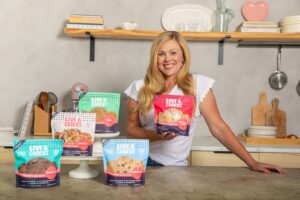
Premade baking mixes! Cornbread, cake mix—they’ve already got the dry ingredients and leavening measured out, which saves so much time. And you can do a lot with them: cookies, brownies, even crusts. They’re great time-savers when you need a shortcut.

What activity always gets your students excited in the kitchen?
Pancake art! Give them squeeze bottles filled with colorful batter and a hot griddle, and they’ll spend hours drawing, flipping, and learning. It’s fun, creative, and sneaks in all kinds of lessons—heat safety, timing, spatula skills. They never want to stop.
What’s one life skill you hope every kid takes away from your classes?
That the kitchen isn’t something to fear. So many adults think cooking is too dangerous or too hard for kids, but that fear holds them back. I want kids to feel confident and capable. They deserve the chance to learn, experiment, and know they can feed themselves. It’s not just about cooking—it’s about preparing kids for real life.