Small Bites:
📖 Buy the quintessential Southern food cookbook by Edna Lewis: The Taste of Country Cooking on Bookshop.org
🍴 Shop delicious food from award-winning African-American Chefs for Black History Month from Goldbelly – ships Nationwide!
👨🍳 Purchase the Kids Cook Real Food eCourse so your kids can learn how to cook and not simply follow a recipe – give them the life skills to not only survive, but thrive!
🧀 Make some One Potato Cheese Sauce for your homemade mac and cheese!
We’ve had some amazing interviews with guest chefs this month, and if you haven’t had a chance to read (or listen!) to them yet, now’s the perfect time to dive in! Black foodways have deeply shaped American cuisine, and food is a wonderful way to educate and interact with our kids when teaching them about Black History Month.
Check out this trailer for Finding Edna Lewis that’s now available to watch on PBS! And of course, read our interview with host and food historian Deb Freeman.
How Black Foodways Shaped American Cuisine
At One Potato, we love sharing stories from our community about your family memories surrounding food & cooking, and the passing down of recipes – that’s part of our Community Voices series, and part of our Order Up! Interviews. This month, we loved hearing how Deb Freeman remembers sprinting home from school just to see what her grandmother had made—maybe chicken and dumplings, maybe collard greens, always something special. For Chef Liesha, food was a way of life; she watched her parents cook daily, her dad playfully mimicking TV chefs as he stirred pots. Chef Cassandra was always her mom’s little helper in the kitchen, craving the time they got to spend together. These moments weren’t just about getting food on the table—they were about family, community, tradition, and love. And when we talk about American cuisine, we can’t tell that story without Black foodways—the contributions from African-American homecooks and chefs—the techniques, flavors, and innovations that have shaped the way we eat today.
—>Behind the Paywall: The foundation of American cuisine, the legacy of James Hemings, honoring the legacy of African American chefs like Edna Lewis, and joining the conversation…
The Foundation of American Cuisine
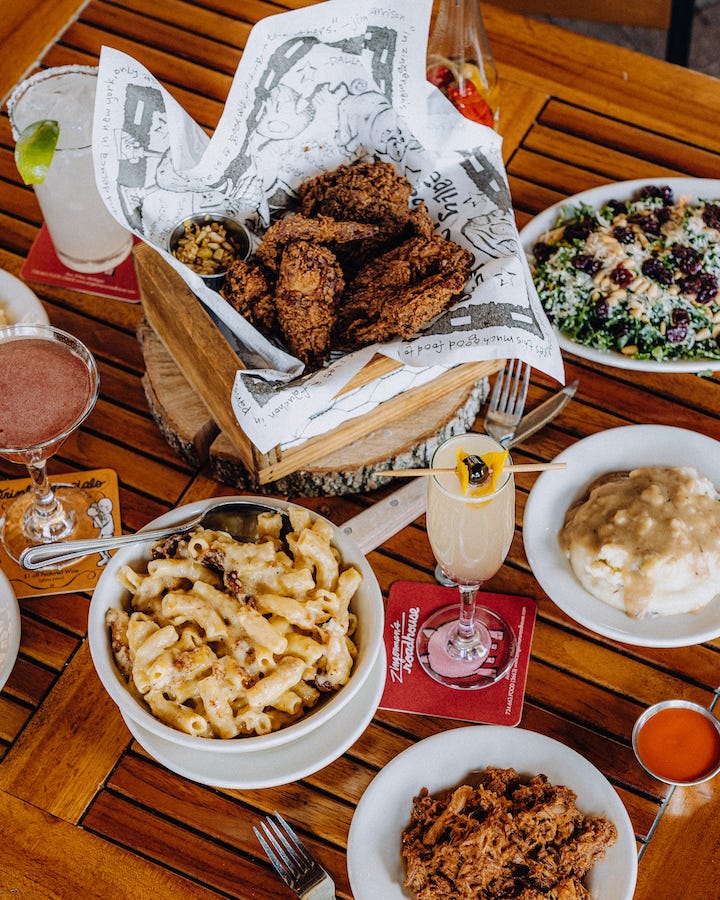
When we think about classic American dishes—mac and cheese, barbecue, fried chicken, greens—what we’re really talking about is food with deep roots in African American culinary traditions. As Bob Bennett, head chef at Zingerman’s Roadhouse, told us, Southern food feels like the foundation of American cuisine because it traveled. “During the Great Migration, people moved from the South to cities like Chicago, New York, and Detroit, carrying their recipes and foodways with them.” Those traditions evolved, blending with regional influences, but the soul of Southern food—its techniques, its flavors—remained.
These West African food traditions—rice farming, slow-cooked greens, rich stews—were brought to the Americas by enslaved people. Their agricultural expertise helped build the wealth of Southern plantations. They weren’t just working the land; they were shaping how America ate.
Mac & Cheese, Barbecue, and the Culinary Genius of James Hemings
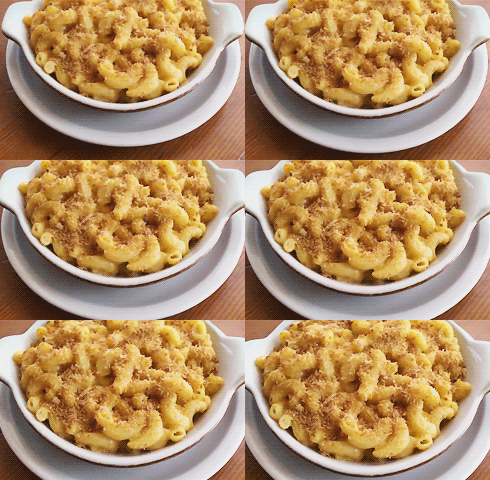
If you’ve ever enjoyed baked macaroni and cheese, you can thank James Hemings. As food historian Deb Freeman told us, Hemings was the chef de cuisine for Thomas Jefferson. Born into slavery, Hemings traveled with Jefferson to Paris, where he learned classic European cooking techniques. “When he returned, he brought back dishes we now consider American staples: ice cream, crème brûlée, and of course, macaroni and cheese.” The reason we have the baked, custard-like version instead of just stovetop? That’s Hemings’ influence.
Barbecue is another deeply African American tradition, though the original pitmasters don’t always get the credit they deserve. “The first barbecue masters were enslaved men,” Freeman explained. “They were chopping wood, controlling fire, butchering hogs, and slow-cooking meat with nothing but their intuition.” Today, barbecue is a nationwide obsession, but its roots stretch back to those early pitmasters who perfected the craft without timers or thermometers—just skill, patience, and smoke.
Beyond the “Greatest Hits”
There’s a common misconception that Black food is just the “greatest hits” of soul food—fried chicken, collard greens, cornbread. But, as Freeman pointed out, Black food is vast and deeply tied to the land. “Historically, people ate what was fresh and available—tons of vegetables, grains, and plant-based dishes. There’s a whole side of Black food culture—seasonal, sustainable—that often gets left out of the conversation.”
Chef Liesha echoed this when we spoke with her about food justice. “If families only focus on short-term actions like donating food, they miss the bigger picture. Real change comes from deeper engagement—teaching kids about food access, supporting local growers, and learning about the cultural roots of what we eat.” That means understanding not just the flavors of Black cuisine but the farming, sustainability, and resilience that underpin it.
Honoring the Legacy
One of the most influential voices in this conversation is Edna Lewis, the chef and writer who championed seasonal Southern cooking long before “farm-to-table” became trendy. Freeman, who produced the documentary Finding Edna Lewis, described her as a culinary icon: “She showed the world the beauty of Southern food—the elegance of fresh butter beans, the simplicity of a perfectly baked biscuit.” Her legacy is a reminder that Southern cuisine isn’t just comfort food; it’s an art form.
So, the next time you’re making mac and cheese, grilling barbecue, or even just slicing a ripe summer tomato, remember the hands that shaped those traditions – and you can share that knowledge with your kids. The flavors of Black foodways are everywhere in American cooking—woven into history, carried through generations, and still evolving with every meal we make today.
Hungry for more?
Join the conversation: What’s a dish in your home that’s been passed down through generations? Leave a comment on the Substack!
Note: The One Potato newsletter may contain affiliate links.