If you want a whole library of doable recipes and a simple way to plan them out each week, the Peas & Hoppiness app is such a helpful sidekick. It makes meal planning feel a lot less… plan-y 👉 Try it free for 30 days – use code ONEPOTATO
Looking for a grocery delivery service that makes weeknights feel easier? Right now, we’re craving meals that feel supportive — not overwhelming — and Hungryroot fits right in. Check it out here, and get 30% Off Orders of $99 →

Demetra Overton, creator of Sweet Savant, shares how she went from professional kitchens to real-talk reviewing products for real life home cooks
Chef Demetra Overton has been cooking professionally since the 1990s, but her path to Sweet Savant didn’t follow a straight line. Trained at the Institute of Culinary Education and shaped by time in professional kitchens like The Ritz-Carlton, Demetra built a deep foundation in technique long before she became a YouTube creator with a devoted audience. After culinary school, her career eventually intersected with motherhood, and like so many parents, her priorities shifted. Even though she stepped away from restaurant kitchens, she never stopped cooking. What started as sending homemade treats to her husband’s office grew into a personal chef business, and later into Sweet Savant: a place where Demetra could share real, practical cooking from a real home kitchen.
Demetra is known for her global Southern approach to food, and her cooking reflects the many cultures that influenced her early food memories: Caribbean coworkers sharing dishes at her mom’s job, weekend barbecues with her dad, homegrown vegetables, fresh fish, and soul food traditions that evolved over time. In the interview, she talks candidly about raising adventurous eaters, why frozen vegetables are a parenting win, how one-pot meals became a survival strategy, and what it actually looks like to cook well at home without chasing perfection.
This conversation runs during Black History Month, and Demetra’s story is very much part of that lineage—of knowledge passed down, adapted, and carried forward. At the same time, she reminds us (often without saying it outright) that identity isn’t something we only talk about one month a year. It shows up in how we feed our families, how we teach our kids curiosity and confidence in the kitchen, and how we make space for both tradition and change.
A message from our partner, Hungryroot:
The best simple recipes for you and your family.
Some weeks, feeding your family feels like its own full-time job — juggling groceries, planning meals, and hoping everyone actually eats what you make. If you’re craving a little more breathing room, Hungryroot can help simplify the whole routine. They deliver fresh groceries and mix-and-match meal ideas that come together fast, which means fewer “what’s for dinner?” spirals and more nights that just… work.
What we love most is how flexible it is: you can build meals the way your family actually eats, whether that’s veggie-heavy bowls, easy kid-friendly options, or quick lunches you can grab between everything else. If you’re looking to make dinner feel a bit lighter and a lot more doable, Hungryroot is a great place to start.
✨ 30% Off Orders of $99 plus Choose Your Own Free Gift for Life! → hungryroot.com
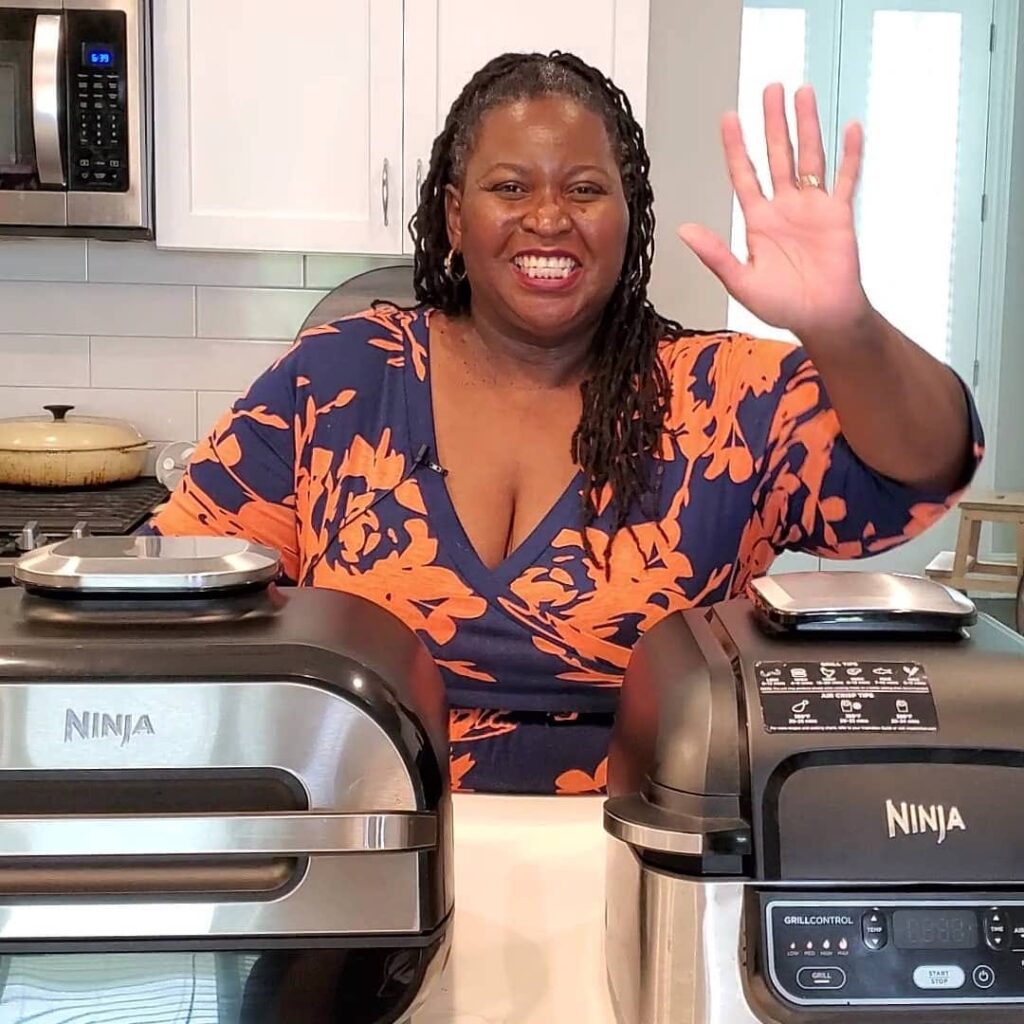
A Conversation with Demetra Overton, Sweet Savant
Introduce Yourself: I’m Demetra Overton, a trained chef and the creator of Sweet Savant. I have a son and a daughter, both adults now.
Sweet Savant began as a way for me to support my family while still fulfilling my creative life as a chef, and my husband has always been my biggest cheerleader. What started as a private chef and catering business has grown into my YouTube channel doing product demonstrations so people can see how kitchen tools actually work in real homes from someone who’s both a chef and a mom who cooks every day. That’s still my passion: helping people decide what they’ll actually use, not just what looks good online.
Did becoming a mom change how you thought about food and nourishment?
Absolutely. Working at the Ritz-Carlton, everything is about the best, freshest ingredients, and you can use as many pots and pans as you want because someone else is cleaning them. At home, that’s not real life.
As a mom, I had to think about efficiency and sustainability. Frozen fruits and vegetables became staples because they’re nutritious, already prepped, and make life easier. I also started leaning heavily into one-pot meals. I’m the one doing the dishes now, and I don’t want to spend 45 minutes scrubbing pans after dinner. Cooking at home really forces you to rethink what “good food” looks like when time, energy, and cleanup matter.
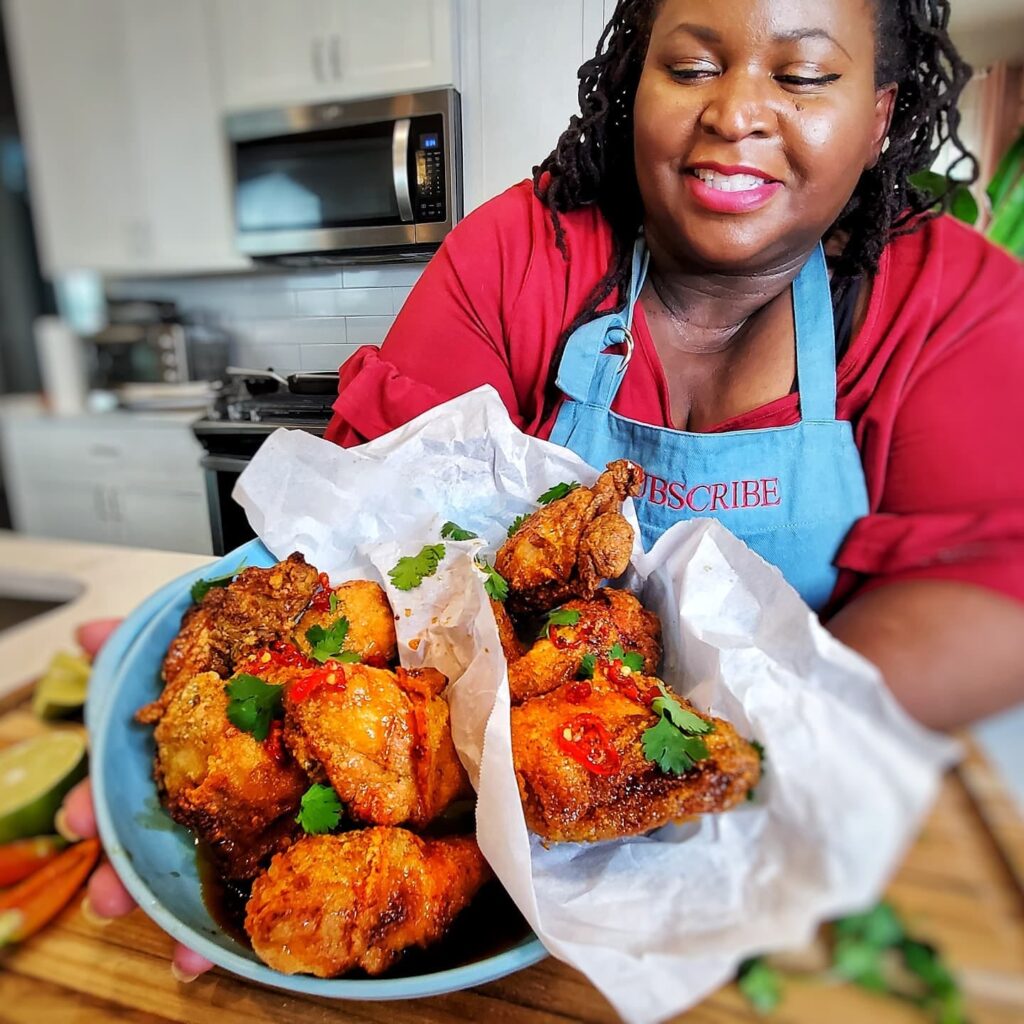
How did you balance introducing bold flavors and your love of global foods while feeding a family?
We took our kids out to eat with us from a young age, and very quickly they decided they didn’t want to order from the kids’ menu. They’d say, “Why are there hot dogs on here when no one else is eating hot dogs?” So they developed adventurous palates early — which is great, but also not always budget-friendly when your seven-year-old wants scallops!
Living in Atlanta helped a lot. The markets along Buford Highway, the variety of restaurants; let me tell you, the exposure to global cuisine is incredible. At home, we recreated what we loved. We made hot pot, Korean barbecue, global dishes alongside the soul food my parents cooked. Nobody was picky, which I’m incredibly grateful for. It became a habit of curiosity: trying flavors, textures, and techniques, and then bringing those experiences back into our own kitchen.
What are some of your earliest food memories growing up?
We didn’t cook together much until I was older, but food was always central. My mom worked as a nurse’s aide and had coworkers from Jamaica and across the Caribbean who would bring dishes to work. She’d come home talking about jerk pork or something new she’d tasted.
My dad has always loved to cook, especially on weekends. That’s when we’d have barbecues and big family gatherings. Both of my parents were recipe clippers, too. I actually rescued my dad’s huge collection of saved recipes not long ago — stacks and stacks going back decades. I’m so glad I asked when I did.
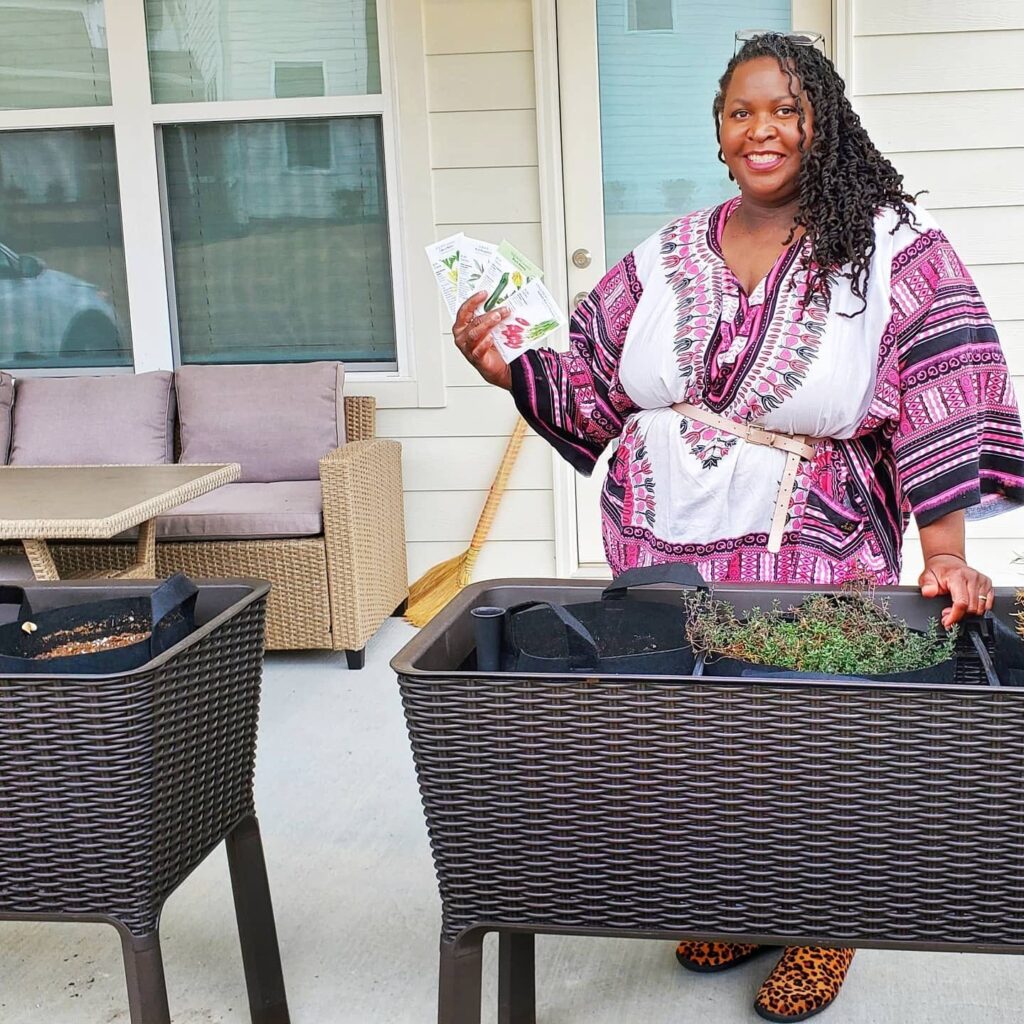
My mom is also a lifelong gardener. Whether we lived in Queens or now in South Carolina, she’s always grown food. My dad fished nearly every day after retiring. So food for us was vegetables, fish, soul food, and sharing, always sharing.
When did your kids start cooking?
My daughter started early, around 10 or 11. Pancakes, simple meals. My son took longer, he didn’t really get into it until the end of high school. Then something clicked. Now he loves to cook and bake. There’s always cookie dough in the freezer.
My goal was always that they could feed themselves: grocery shop, read labels, understand balance. They’ve gone far beyond that.
You describe your cooking style as “global Southern.” What does that mean to you?
Southern food is my foundation. But growing up in Queens exposed me to everything: Jamaican, Italian, Korean, Indian, Chinese. Travel expanded that even further. Visiting Japan, seeing how grilling works in an izakaya: it’s different from Southern barbecue, but just as soulful.
For me, “global Southern” is about curiosity. Taking what I know, honoring where I come from, and staying open to new flavors and techniques. Food has always been about learning for me, and that hasn’t stopped.
How do you think social media has changed the way people learn how to cook?
Someone once told me my videos felt like having a mom teach you how to cook, and that really stuck with me. Not everyone grows up learning at someone’s apron, and social media can fill that gap.
At its best, platforms like YouTube allow people to learn from teachers all over the world. But you also have to be careful, especially now. Not everything online is tested or safe, particularly with things like canning.
That said, I love how my kids learn from social platforms. My son made incredible vegan sandwiches from an Instagram creator, things I wouldn’t have taught him myself. That exchange of knowledge across generations and cultures is powerful when done thoughtfully.
How do you approach cooking content without creating perfection pressure?
Everything I do is filmed in my real home kitchen. No one is prepping everything in advance. Sometimes my kids help; for example, my son prefers to stay behind the camera, helping with audio and tech. My daughter occasionally joins on camera, especially for things like ice cream demos.
It’s important to me that people see what cooking actually looks like. Messy, collaborative, imperfect, and always still joyful!
How did you move into product testing and demonstrations?
I’d been on YouTube for years when people started asking about the tools I used. I posted a video explaining Dutch ovens — what they are, how they work — and it did really well. That was the lightbulb moment.
Then one day at Sam’s Club, I saw the Ninja Foodi and filmed a quick video asking, “Has anyone seen this?” It went viral. I went back, bought it, and learned how to use it with my audience. That eventually led to brand partnerships and campaigns.
What people want to know is: Will I actually use this in my life? That’s what I focus on.
How do you think about recommending tools for different households?
It’s never about what’s “best.” It’s about how you live. Can it make toast? Fit a frozen pizza? Roast a chicken? Feed four people?
A single person might love a tiny air fryer. A family might need an oven-style one. There’s no universal answer — and that’s okay.
What’s one cooking skill every home cook should master?
Learning not to overcook food.
Whether it’s vegetables or proteins, knowing when something is done — and done to your taste — is essential. I grew up with very well-cooked vegetables, and I still love them that way. Culinary school taught me crisp-tender vegetables, and I learned to appreciate that too.
There’s no single right way. Taste evolves. Even my dad now cooks collards with olive oil instead of meat, and for much less time. What matters is confidence and understanding your own preferences.