This post contains affiliate links. If you buy through them, One Potato may earn a small commission at no extra cost to you.
Small Bites:
Back-to-School is super busy, so that’s why we’re loving Territory Foods: no-prep, real-ingredient meals made by local chefs and delivered fresh to your door.
👉 Check out the rotating menu
Want help meal planning? Back to school = back to “what’s for dinner?” The Peas & Hoppy meal planning app makes that question way easier with 11 flexible recipes, a smart grocery list, and tips for real-life families.
👉 Try it free for 30 days – use code ONEPOTATO30
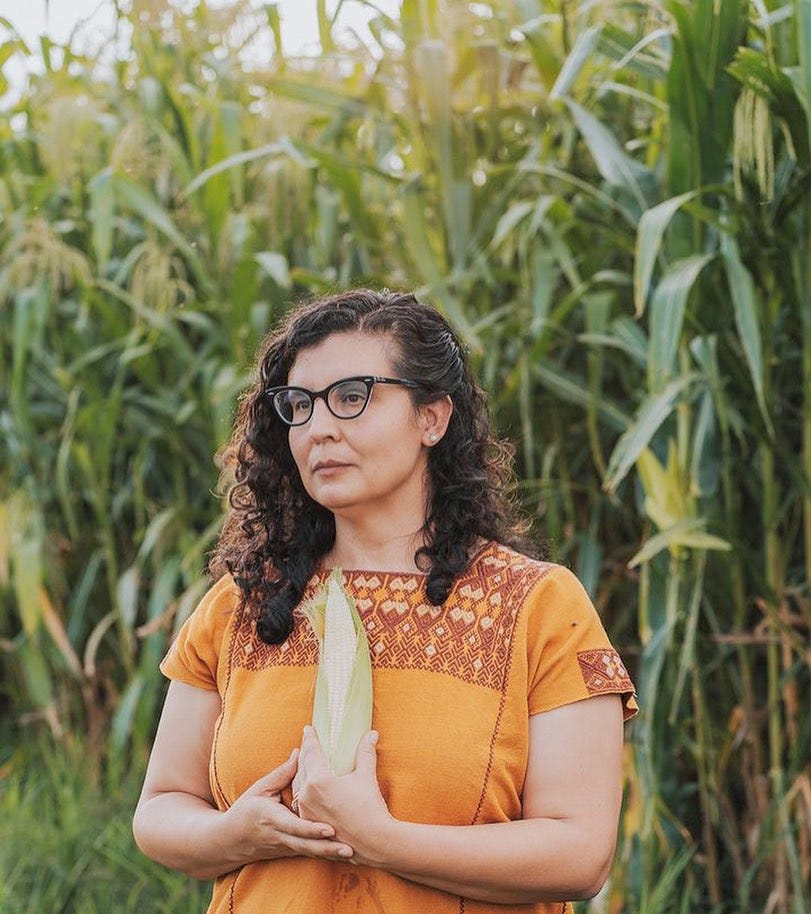
Denise Favela on Preserving Mexican Food Traditions
September 15th kicks off Hispanic Heritage Month, a time to honor the traditions, histories, and everyday contributions of Hispanic and Latin Americans in the U.S. And honestly, what better way to celebrate than through food? Food, cooking, and recipes are where so much of that heritage lives; in dishes our parents made, the cookbooks passed down, and the meals we share with our kids.
That’s something Denise Favela knows better than most. She’s a recipe developer, food consultant, and historian who digs deep into Mexican and Mexican American foodways — the stories, cookbooks, and traditions that shape how families cook and eat. She has worked to digitize historical Mexican cookbooks, making sure those recipes (and the love behind them) aren’t lost to time, and right now she’s collaborating with Northgate Markets to bring cocineras tradicionales to Los Angeles, creating a bridge between communities and showcasing the flavors and techniques that have been passed down for generations.
In our conversation, Denise shares the dishes that anchor her family table — from pozole birthday parties to the simple comfort of a warm tortilla sprinkled with salt. Her answers are a reminder that Mexican cooking isn’t just about what’s on the plate: it’s about connection, flexibility, and keeping culture alive with every meal.
A message from our friend Ann Kent, dietitian & owner of Peas & Hoppiness:
Back-to-School, Back to Real Life—Dinner Help Included
When backpacks get packed and schedules fill up, the last thing you want is to be staring at your fridge at 5pm, wondering what’s for dinner.
The Peas & Hoppy Meal Guides App takes the stress out of meal planning with 11 balanced recipes each week, a smart grocery list, and flexible tips that work for real families (yes, even picky eaters and sports-night chaos). Every recipe is written and tested by Ann Kent—a dietitian and mom of two—who knows that dinner only works if it actually works.
👉 Try it free for 30 days—no pressure, just support from one home cook to another.

A Conversation with Denise Favela
Introduce Yourself: I’m Denise Favela, a recipe developer and ethnographer specializing in Mexican and Mexican American cuisine. I live in the South Bay area of Los Angeles with my husband and our six-year-old daughter.
We love the sunshine here, but I’m originally from the Bay Area. We moved away for a bit, then came back about three years ago — and it feels good to be home.
Your work centers on Mexican foodways, but you originally studied and taught Political Science. How did your upbringing shape your career path?
I trained as a political scientist and was a professor for years. I was always drawn to the community side of politics — which makes sense, because I grew up in a Mexican household where food was at the center of our community life. I’m one of four kids, and every weekend my parents would host some sort of gathering — barbecues, big stews, huge spreads that somehow my mom managed to pull off while also running two businesses.
Those weekends were defined by food, by who was cooking what — the men at the grill, the women over pots of pozole or tamales. It was part of what I call our “transnational migrant community” — everyone from the same region, reinforcing identity through food. Even when I went on to UC Berkeley and USC, studying politics and doing ethnographic research, I kept finding myself back in kitchens. Community work and food were always intertwined.
What are some of the food traditions that you’re passing down to your daughter?
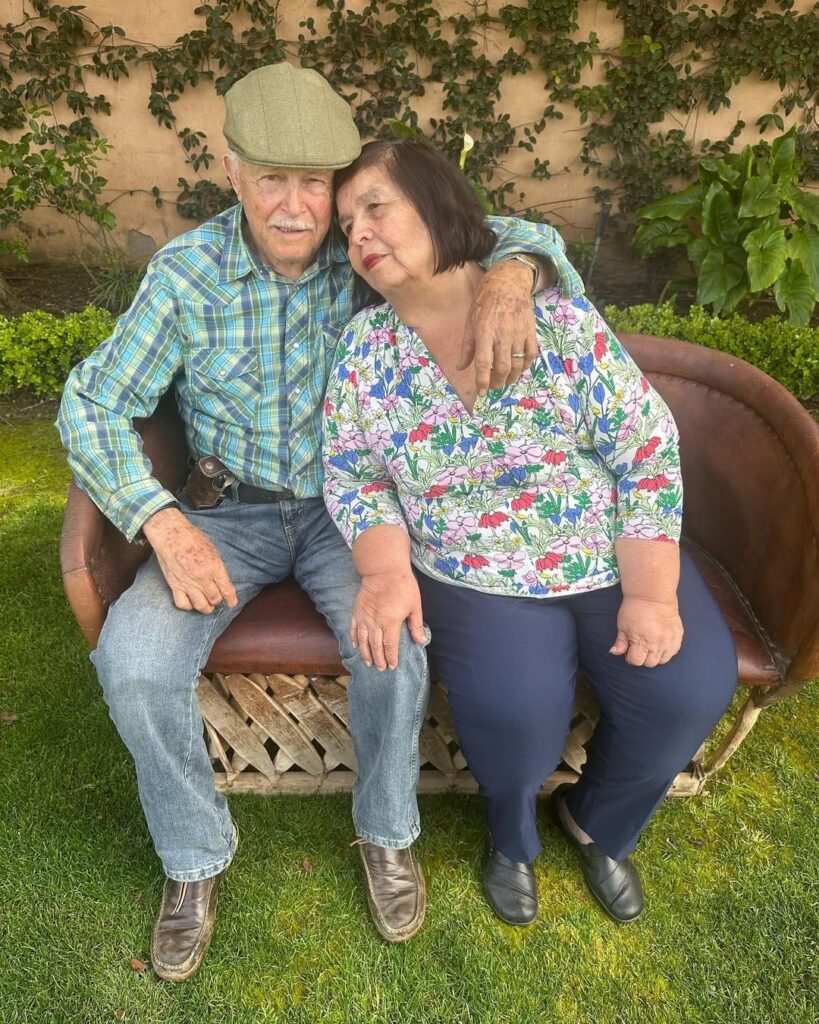
My mom’s pozole was the dish of my childhood. She never used canned hominy; she nixtamalized it herself, and she had such pride in using the red and purple corn from our region. I remember her waking up early, stirring lime into the pot, and asking me to check if the skins were peeling. That dish was always my birthday request, and it’s still my comfort food today. It’s a dish that also signifies community and celebration to me.
With my daughter, I try to recreate that same sense of belonging around food, but in a way that feels natural. If we’re making carne asada, she goes to pick vegetables from our garden to make the salad to go along with it. She has her own little set of tools, and she knows she’s contributing. It’s not about perfection — it’s about carrying forward that feeling of connection.
What regional ingredients from Zacatecas, where your family is from, do you wish more American families knew about?
So many! Our region borders Jalisco, and there’s a lot of overlap in flavors, but the biodiversity of Zacatecas really shapes the cuisine. We use a lot of cactus and cactus fruits. One that I especially wish more people knew is the pitaya de agua, sometimes called the 24-hour pitaya. It has to ripen until it bursts on the cactus — you can’t transport it, which makes it almost impossible to find outside the region. The flavor is unbelievably sweet, unlike any other cactus fruit. We use it in everything from aguas frescas to mole. It’s one of those ingredients that captures just how distinct and regional Mexican cooking is.
As an ethnographer of food, has your research changed the way you cook at home?
Yes, it’s made me more flexible and thoughtful. When you study immigrant communities, you see how much adaptation happens: swapping ingredients when you can’t find something, or shifting recipes when costs rise. Beef, for example, has gotten so expensive that I think twice about promoting birria recipes right now. What good is it to romanticize a dish if most people can’t afford it?
That perspective has changed how I approach family meals, too. Accessibility matters. It’s not about rigidly following tradition — it’s about feeding people in a way that works for the moment.
For parents cooking under time pressure, what’s one Mexican technique that delivers big flavor fast?
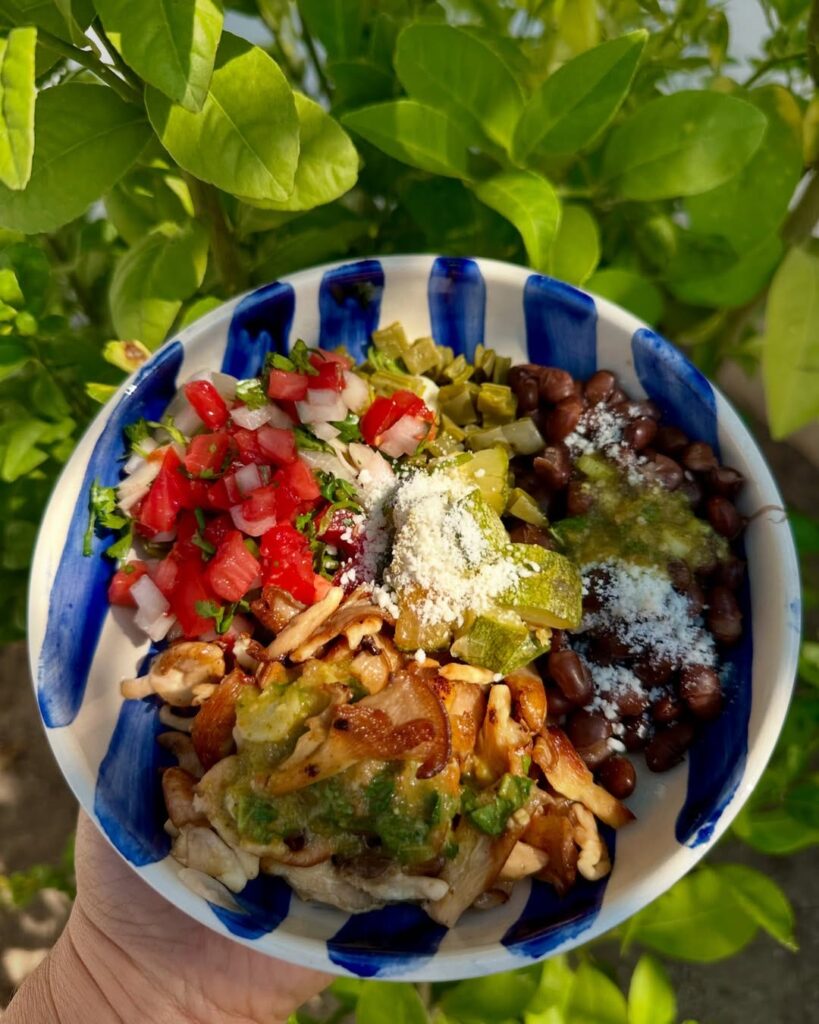
I always come back to a basic guiso — a simple way of preparation, sort of like roasting basic ingredients and then braising them in a sauce. You take the basics: tomato, onion, garlic, maybe a pepper, and cook them down into a quick sauce. Add beans, eggs, or any protein you have on hand. Then you can top it with cheese, and wrap it in a tortilla for a quick meal.
It’s one of my go-to weeknight meals. For example, I’ll roast hatch peppers and tomatoes, then cook them with onion and garlic. In 20 minutes, I have a smoky, flavorful guiso that feels nourishing but doesn’t take hours. For a long time, I thought meals like that weren’t “enough” compared to something like birria. But I’ve realized that, especially watching traditional cooks in Mexico, that simple, everyday dishes are just as valuable. What matters is sitting down together, even briefly.
What advice would you give parents introducing Mexican food to kids or picky eaters?
Start with a tortilla. Truly. Find a local molino or tortillería where they nixtamalize their masa. Serve a fresh tortilla with just a sprinkle of salt — what my daughter calls a taco de sal. That was her first taco, and it’s still her fallback when she’s unsure about other foods. It may sound simple, but letting kids fall in love with the taste and texture of a good tortilla on its own opens the door to adding fillings later. If you start by piling in meats or veggies, kids sometimes push back on the textures. But if they already love the tortilla, they’ll be more open to experimenting.
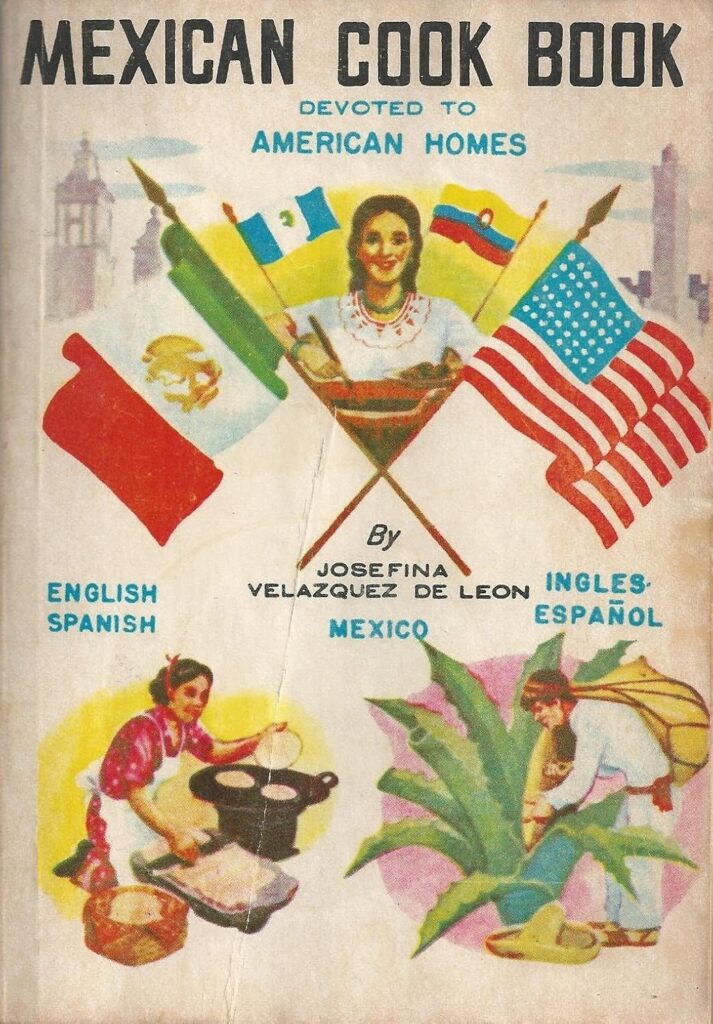
You’ve worked with thousands of vintage Mexican cookbooks: digitizing them for the University of San Antonio, curating them for Mexican-owned companies, and for your own personal library. If you had to recommend one for families, which would it be?
Josefina Velázquez de León’s Mexican Food for the American Kitchen. It was one of the first bilingual cookbooks by a Mexican author written specifically for American home cooks. The recipes can be a little tricky — the measurements aren’t always precise, and ingredients may differ from what we find today. But I actually love that about it. Cooking isn’t meant to be exact science all the time. Josefina forces you to taste, adjust, and trust your senses. That’s something traditional cooks in Mexico always remind me of: recipes are guidelines, but the real skill is in knowing your ingredients.
Tell us about your work with the cocineras tradicionales in Los Angeles.
Through Northgate González Markets, a Mexican family-owned restaurant, I’ve been bringing traditional women cooks from rural Mexico to teach free classes here in Los Angeles. The goal is threefold: to highlight Mexico’s incredible regional diversity, to make those traditions accessible, and to build community.
What’s surprised me most is how welcoming these women are. They’re matriarchs of Mexican cuisine, yet their teaching style isn’t about precision or judgment. It’s about improvisation, warmth, and making do with what you have — whether that means substituting ingredients or adapting to a new kitchen. The classes have built this beautiful community of regulars who show up, learn, and share meals together.
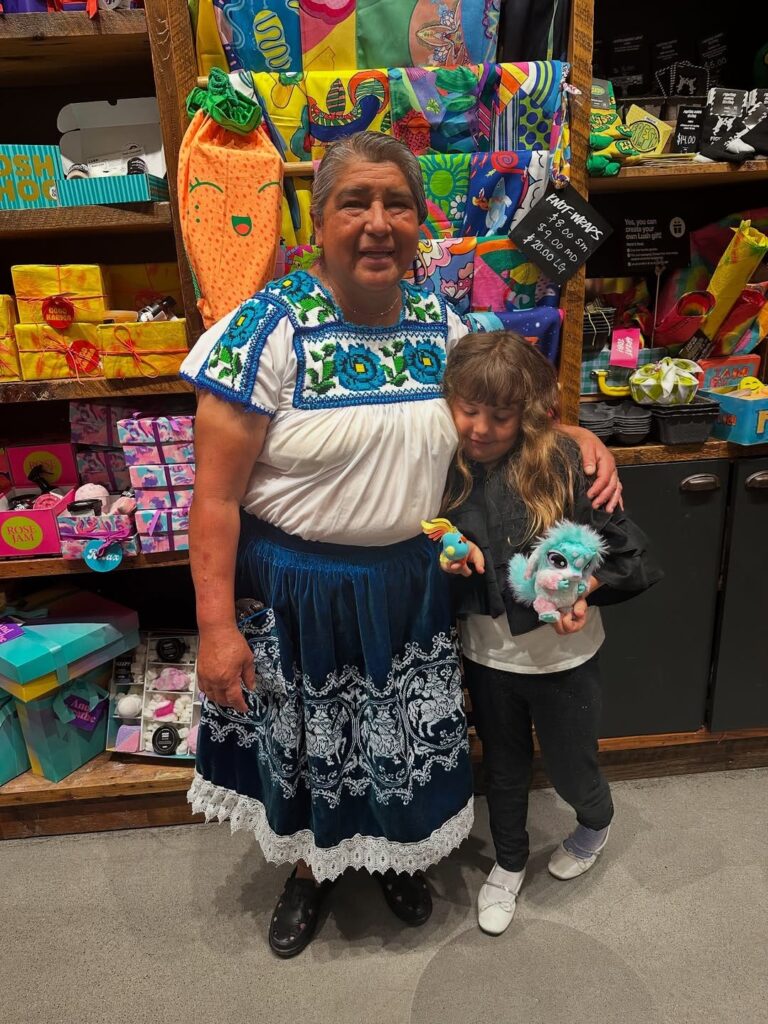
You even traveled through rural Mexico with your daughter to learn directly from cocineras. What has that meant to you as both a mother and a food historian?
It feels like a dream. I never imagined this would be my life’s work. Traveling with my daughter, learning from women who carry centuries of knowledge — it’s been transformative. Every time I step into their kitchens, I’m not just picking up recipes. I’m absorbing sayings, gestures, cultural wisdom that you can’t get from a book.
To share that with my daughter, and to help preserve it for others, is the most fulfilling thing I’ve ever done. I know it will take me years to fully understand everything I’ve learned. But even now, I feel grateful to be part of that lineage.
What’s one kitchen skill you think every home cook should practice?
Dry roasting. It seems so simple, but it’s fundamental in Mexican cooking. Tomatoes, tomatillos, peppers — roasting them without oil brings out their sweetness and depth. When I first started, I rushed it. I’d pull them off the pan too soon, before they released their juices. The result was salsas that tasted bitter or flat. Now I know to be patient, watch the color changes, and let them blister and soften fully. It’s a small technique, but it transforms everything from salsa to stew.