We’re honored to bring you this interview with Chef Elena Terry, part of our series this November during Native American Heritage Month. A time to honor the history, cultures, and contributions of Indigenous peoples across the United States, this is a reminder that Native communities and Native foods are not just part of our past, but a vibrant, living part of our present.
At One Potato, we believe food tells the story of who we are and where we come from. That’s why, throughout this month, we’re honoring Native chefs who are preserving tradition, reclaiming identity, and bringing Indigenous foodways to the table. Read our interviews with Chef Jeremy Thunderbird, Chef Shane M. Chartrand, and the Founder of Tocabe, Ben Jacobs.
Small Bites:
This Native American Heritage Month, discover the incredible ingredients and stories behind Tocabe Indigenous Marketplace—cofounded by Ben Jacobs of the Osage Nation. Each item you buy supports Native farmers and keeps food traditions thriving.
👉 Get 15% off your order with code ONEPOTATO

Chef Elena Terry on Family, Healing, and Honoring Indigenous Foods
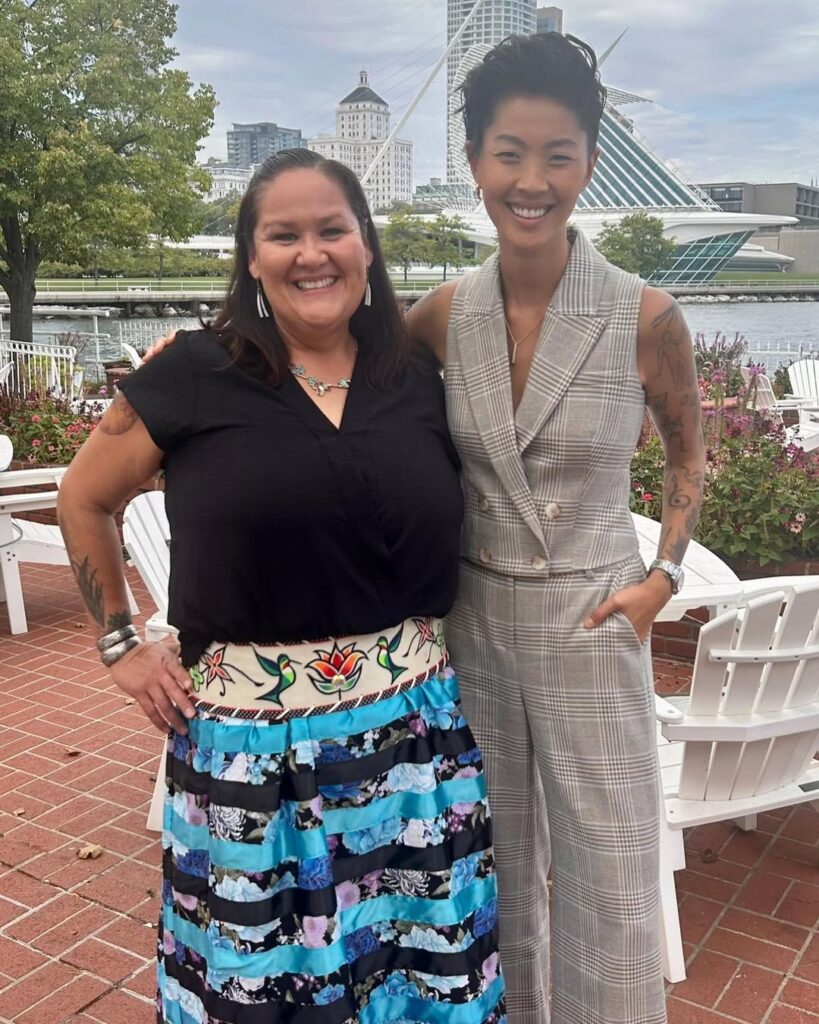
For Chef Elena Terry, food isn’t just nourishment, it’s memory, medicine, and a path home. A member of the Ho-Chunk Nation and the executive chef and founder of Wild Bearies, a nonprofit devoted to healing and connection through Indigenous foods, Elena has built a life around reclaiming what was nearly lost. Chef Elena was raised between Chicagoland and Wisconsin Dells, which is the ancestral Ho-Chunk homelands that have since become the “waterpark capital of the world”; she knows firsthand what it means to hold on to your roots in a place that can make it hard to see them.
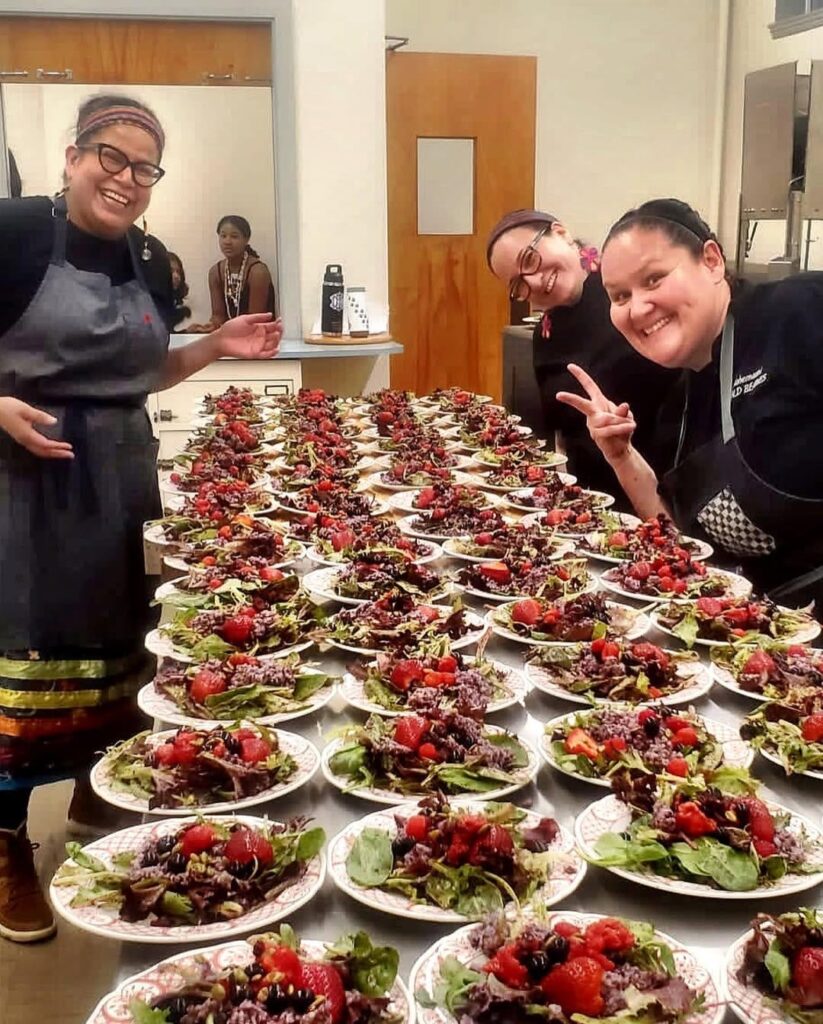
Through Wild Bearies, Elena merges her culinary background with community education, working with organizations from the Smithsonian to the James Beard Foundation to reintroduce ancestral foods and the teachings that come with them. Her work, like her story, is grounded in resilience: walking away from hardship, choosing healing, and showing her children what it means to invest in yourself and your community.
In our conversation, Elena shared the deep lessons she learned from her grandparents—walking through the woods, gathering berries, learning the language of the plants—and how she’s now passing those teachings to her own children. She spoke about food as medicine, the importance of giving ourselves grace, and what gives her hope for the next generation of eaters and growers.
A message from our friends at Tocabe:
The Original American Ingredients — From Tocabe’s Kitchen to Yours
Before corn, beans, squash, and bison became staples of the American table, they were—and are—Native foods, cultivated and cared for by Indigenous communities for generations. Ben Jacobs, co-founder of Tocabe Indigenous Marketplace and member of the Osage Nation, is on a mission to bring those ingredients and their stories back to the center of the plate.
Through Tocabe, Ben and his team partner directly with Native growers to make it easy for families to cook with intention while supporting Indigenous food sovereignty.
Because the best meals nourish more than just your body—they nourish community.
✨ Explore Tocabe’s pantry and get 15% off with code ONEPOTATO

A Conversation with Chef Elena Terry
Introduce Yourself: I’m Elena Terry, executive chef and founder of Wild Bearies
Wild Bearies is spelled like the animal, not the fruit. I named it for my children, who are all, except one, members of the Bear Clan in our community. I’m a member of the Ho-Chunk Nation and live in Wisconsin Dells, which is my ancestral homeland.
The Ho-Chunk people don’t have a reservation, but for as far back as our family can trace—for at least eight documented generations but in actuality, many many more—this is home. I was raised in a traditional Ho-Chunk household, so being here feels deeply rooted, even though it’s also the “water park capital of the world.” It’s not always easy to hold on to your identity in a place that’s so commercialized, but this is where our stories, food, and history live.

You’ve said you named Wild Bearies for your children. Can you share how your work connects to family and community?
Wild Bearies started from a place of healing. I grew up watching a lot of pain—my parents struggled with alcoholism, we suffered tragedy, it was difficult as a child. Then as an adult I found myself repeating a cycle. There I was in an unhealthy and abusive relationship when my daughter was young. One day, I realized: this isn’t what my mother wanted for me, and it’s not what I want for my children.
I left my work in politics, left that relationship, and decided I was going to cook because that’s what I loved to do. I didn’t have a plan beyond that. I just wanted my kids to see that it’s possible to start over and invest in yourself.
It wasn’t easy, but I think showing my children vulnerability, showing them the messy parts of rebuilding yourself, helped them see that it’s okay to make mistakes, to begin again. Cooking became my medicine, and Wild Bearies grew from that same spirit of healing and reconnection through food.
You’ve spoken about rediscovering traditional foods and practices that were lost through colonization and boarding schools. What has that process been like for you?
I was really blessed to spend a lot of time with my grandparents growing up. My grandfather took me out to hunt berries and taught me to read the woods. My grandmother would walk with me down to the river, teaching me what plants could heal, which to cook with, which to respect.
For a long time, that kind of knowledge was something our people were forced to hide. During the mission school and boarding school eras, Native kids were punished for speaking their language, for dancing, even for eating their own foods. Families learned to keep those traditions quiet just to survive. So a lot of our foodways went underground.
Now, I see this incredible resurgence happening. We’re reclaiming those foods and those teachings. I always say our ancestral foods are living relatives returning home. In my own backyard, I have corn and beans that come from our ancestral seeds—plants my family hadn’t grown in generations. Seeing my kids connect in their own ways—one daughter’s become our family seed saver and gardener, several of my sons hunt—reminds me how every person has a role in our food system. It’s a circle, and everyone finds their place.
You mentioned those walks with your grandparents. What lessons from those moments have stayed with you?
I can still feel those walks. The smell of the woods, the river breeze, the sound of her voice. She’d point to a plant and say, “Smell this, use that,” and it was all so practical but spiritual at the same time.
When I take my children to those same places, even if it’s just for a swim, it brings those memories full circle. The way I understand, the Ho-Chunk were forcibly removed from our lands sixteen times (eleven by documented record) but our ancestors always found a way back. That’s what I think about when I walk through the woods: we’re home.
These teachings remind me that everything around us—plants, soil, water—are our relatives. We live alongside them, and we learn from them. When I’m feeling overwhelmed, I still go for a walk in the woods. That’s where I find grounding and strength.
When you think about the future of food and families, what gives you hope?
The next generation. There’s such a powerful resurgence of curiosity—people wanting to know where their food comes from, what’s in it, and how it affects our health and our planet
When I cook with younger people, I see it all the time. They want to learn. They want to participate. I was at a harvest dinner recently, surrounded by twenty-somethings who were so eager to connect with food in a deeper way. That gives me hope—because those are the future farmers, chefs, and caretakers who will reimagine what our food systems can be.
For readers who want to support Indigenous foodways or be more mindful about what they eat, where should they start?
Start small and start local. Go to your farmers market. Try produce that isn’t “perfect.” Those misshapen carrots or smaller apples—those are often the most flavorful and true to the plant.
Pay attention to what’s around you. Dandelion greens are a superfood that most people try to kill in their lawns! Milkweed, too. It’s such an important plant for pollinators and can be used in so many ways. When you begin noticing what grows around you, you start to see that there’s no such thing as a weed. Everything has purpose.
And when you support local growers, you’re not just buying food; you’re investing in people who are restoring the land and our relationship with it.
When your kids were younger, was there a traditional dish that was special for your family?
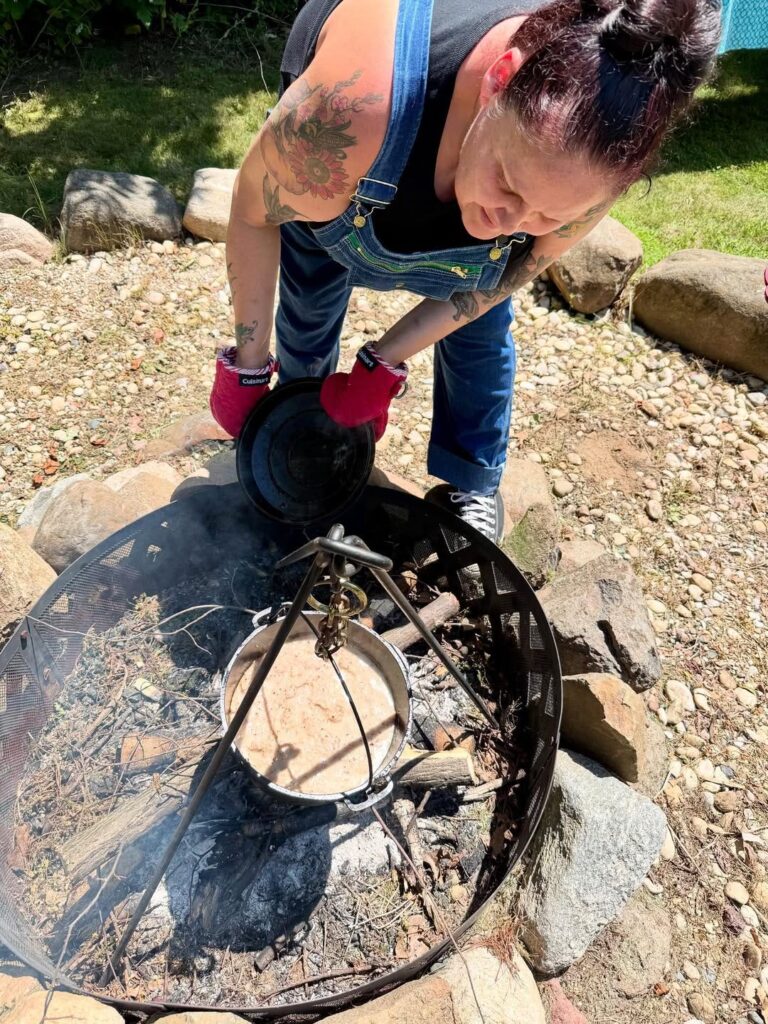
Turtle soup. It’s not something we make often, but it’s sacred to us. I can still picture being at my grandmother’s house, the open fire, the Dutch oven, the bread baking, and her sitting under the trees.
Before we cooked, we’d always pray and speak to the turtle to honor its sacrifice. It was a long, beautiful day—one of those memories that lives in your bones. My kids still talk about it. For them, it wasn’t just about the food; it was about being together, learning, and understanding what it means to share a meal made with gratitude.
For home cooks reading this, what’s one skill you think is worth practicing?
Understanding temperature. Whether you’re cooking on an open fire or in a kitchen with a stovetop grill, it’s all about heat control.
If you can tell when a pan is hot enough, or when something needs to go low and slow, you’ll unlock so much confidence in your cooking. That’s the secret to not having food stick, to getting the right sear, to cooking intuitively. Once you learn that, you can cook anything.
What lessons do you hope your children and your community carry forward from your work with Wild Bearies?
That life isn’t about perfection—it’s about learning. Wild Bearies was founded on that belief. We all stumble. We all make mistakes. Whether it’s burning a dish or making a bad decision, the lesson is in how you get up and try again.
I wanted my children to see that, to know that no matter what, I’d be there—with food, with love, with grace.
Food is medicine. It heals us physically, emotionally, and spiritually. It connects every family, every culture, across time. My hope is that we keep honoring food at that level, and that we remember how powerful a shared meal can be.