Small Bites: Stay Connected to Maya!
Get recipes and nutrition tips delivered to your inbox from Maya Feller Nutrition: Sign Up Here.
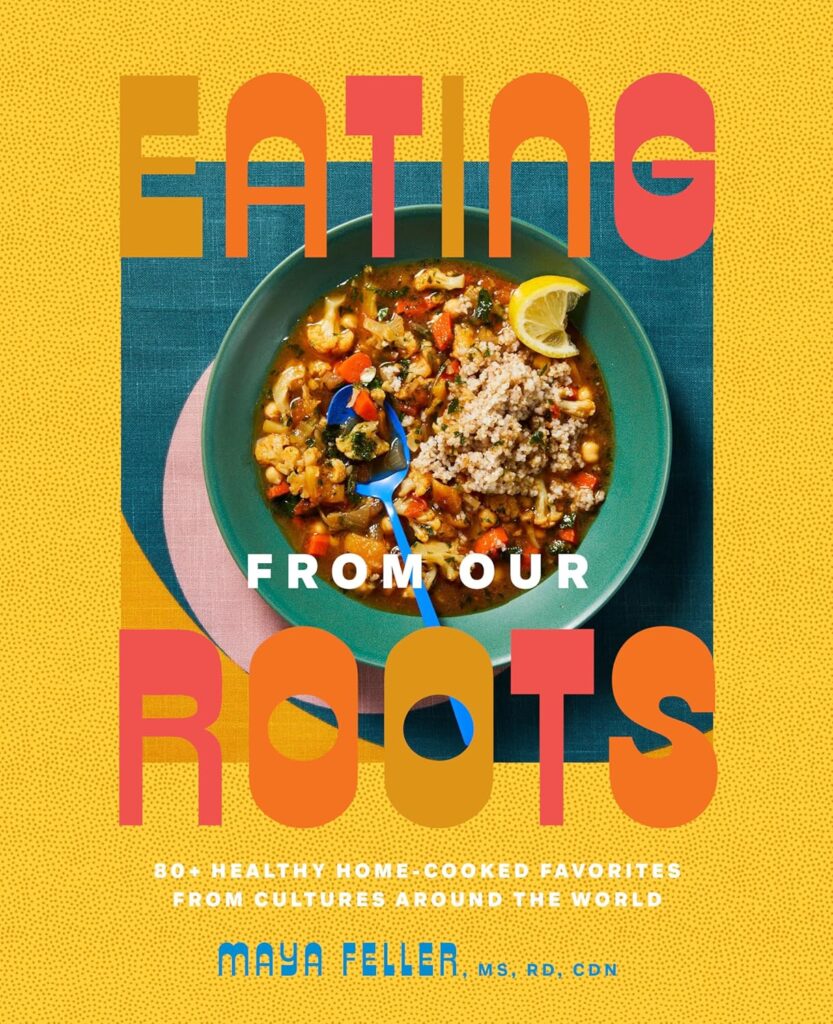
Eating From Our Roots: 80+ Healthy Home Cooked Favorites from Cultures Around the World, A Cookbook [Bookshop, Amazon]
The Southern Comfort Food Diabetes Cookbook: Over 100 Recipes for a Healthy Life [Bookshop, Amazon]
Subscribe to Maya’s Youtube, Where Wellbeing Meets Flavor
Want help meal planning? Back to school = back to “what’s for dinner?” The Peas & Hoppy meal planning app makes that question way easier with 11 flexible recipes, a smart grocery list, and tips for real-life families.
👉 Try it free for 30 days – use code ONEPOTATO30
Back-to-School is super busy, so that’s why we’re loving Territory Foods: no-prep, real-ingredient meals made by local chefs and delivered fresh to your door.
👉 Check out the rotating menu

Maya shares how she helps families stay connected to their cultures while nourishing their health and joy.
November is Native American Heritage Month, a time to honor the history, culture, and contributions of Indigenous peoples; for us at One Potato, with a focus on feeding our families, it’s also a time to reflect on how food carries the stories of who we are and where we come from. Last week, we spoke with Chef Jeremy Thunderbird of Native Soul Cuisine, who shared how reconnecting to traditional foods helped him reclaim pride in his Native identity. This week, we continue that conversation in a broader sense with someone whose work centers on honoring heritage and healing through food.
Registered dietitian and national nutrition expert Maya Feller, founder of Maya Feller Nutrition, has built her career around helping people reconnect with their cultural food traditions while supporting their health, all without shame, restriction, or impossible rules. Her approach is anti-bias, patient-centered, and culturally humble, rooted in the belief that everyone’s heritage deserves to be nourished and celebrated.
Through her New York City–based practice, Maya and her team provide one-on-one nutrition coaching and medical nutrition therapy (in-person and virtually) for everything from diabetes and heart disease to hormone and metabolic health, as well as self-paced masterclass tutorials. She’s also the author of two cookbooks, including Eating From Our Roots: 80+ Healthy Home Cooked Favorites from Cultures Around the World, A Cookbook,and the host of YouTube’s Where Wellbeing Meets Flavor, where she shares food-based solutions and stories that celebrate culture, inclusion, and care.
At home, Maya is a mom of two with a kitchen full of real food and real conversation. In our chat, she opens up about exploring her Afro-Caribbean roots through food, how she encourages her kids to eat with curiosity (not pressure), and why representation in healthy eating matters. “Food is identity,” she says. “When kids see their own cultures reflected at the table, it tells them they belong.”
A message from our friend Ann Kent, registered dietitian and mom who gets it:
Enjoy Family Dinner – Stress Free!
Enjoy nourishing meals and connect with your family around the dinner table without spending hours planning when you join the Peas & Hoppy Meal Guides.
Their customizable meal planning app features an easy-to-use app and made-for-you grocery list to save time and money with meal planning. We love it so much, we’re sharing it with you…and sharing a code for a 30-day FREE TRIAL.
👉 Start Meal Planning Now – use code ONEPOTATO30

A Conversation with Maya Feller, MS, RD, CDN
Introduce Yourself: I’m Maya Feller, the founder and lead dietitian at Maya Feller Nutrition. I live in New York with my husband, our two kids (12 and 17), two dogs, and two cats. Food is always at the center of everything we do—there’s always cooking, eating, and a lot of people around the table.
Maya Feller Nutrition is a private practice where we take a patient-centered, culturally humble approach to nutrition. That basically means we listen first; our patients bring their lived experience, and we bring the science. Together, we create a plan that supports their health in a way that feels true to them.
My practice focuses on diabetes, hypertension, cardiovascular disease, autoimmune conditions, and eating disorders. I also write and speak about nutrition. I’ve written two cookbooks (Eating From Our Roots and The Southern Comfort Food Diabetes Cookbook), have a monthly column on The Kitchn, and appear regularly on Good Morning America.

What first inspired you to approach nutrition in such a culturally mindful way?
My first job out of school was in community nutrition, and I came in with a textbook mindset thinking I was going to “change people for the better.” I quickly learned that wasn’t how this worked.
What I discovered was that I needed to put nutrition on the back burner and start by understanding what mattered to the people I was serving. Many were focused on survival, such as having enough food at all, not whether it was “perfectly balanced.” That experience forced me to confront my own biases, even as an Afro-Caribbean woman. I realized how much harm is done when we rank foods on a “good or bad” scale that ignores culture, access, and history.
Those early years reshaped everything for me. They brought me back to the values I learned from my family—about care, ethics, and meeting people where they are—and away from what I’d been taught in the classroom.
Can you share a favorite food memory from your own childhood?
So many. I was born in the Northeast part of the US and grew up between the U.S. and Trinidad and Tobago, and most of my memories center around family. I remember sitting on a ladder in the yard with my grandfather, eating sugarcane. My uncle made an incredible herring and dumpling breakfast in his tiny wooden house. It was a simple dish, but unforgettable.
And my great-aunt Tanty Baby gave me her macaroni pie recipe, which made it into one of my books. My Aunt Violet’s coconut bake, the corn soup from trips up to Toco—all of those foods are deeply woven into my life. For a while, I lost connection to them because school taught me those weren’t “healthy” or “valid.” Rediscovering them has been part of my own healing.
What do you hope to pass on to your kids when it comes to food, cooking and eating?
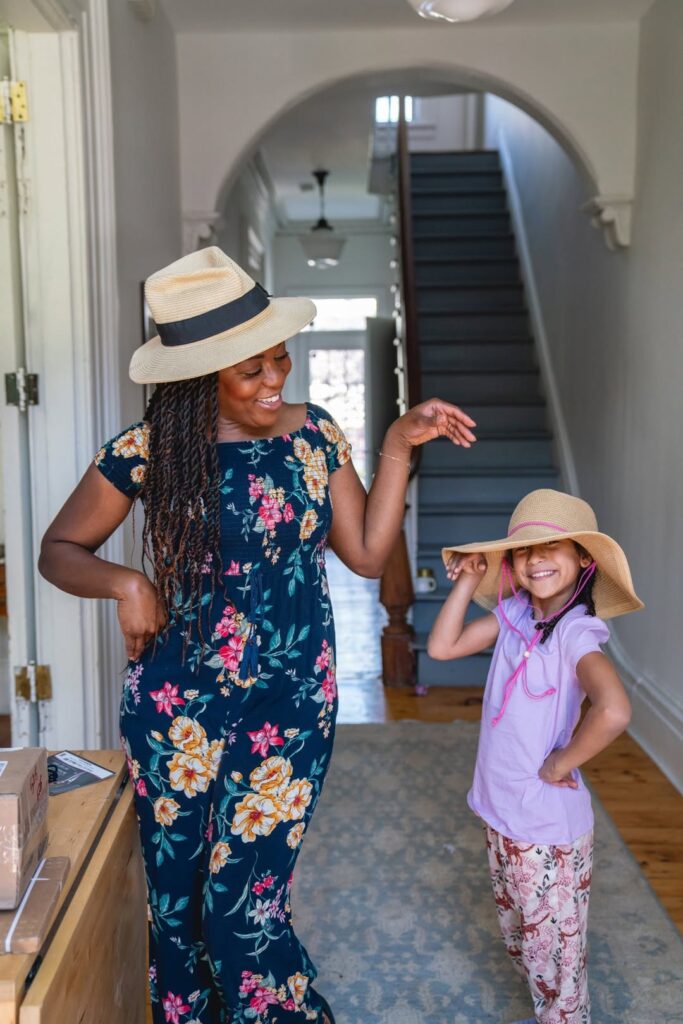
Curiosity and respect. My son is an incredible cook; he makes everything from scratch, but when he doesn’t want to cook he’s super adventurous and will try all types of cuisines across the spectrum. My daughter is the same way; for example, we were recently at a friend’s for dinner and they served lamb heart and liver. She was open to trying it, without hesitation.
That’s what I want for them: to be open, to honor all foods, and to be curious about where things come from. Food is a bridge to understanding people and cultures. That’s something I hope stays with them forever.
Did becoming a parent change how you think about food?
Absolutely. When my son was born, I was taking a pediatric nutrition class, and I followed the textbook to the letter. I did baby-led weaning before it was trendy, offering him whatever we were eating, in baby-safe ways.
At the time, people thought it was odd. But it worked. He grew up with an adventurous palate and was open to trying new foods. I also leaned on Ellyn Satter’s model: I decide the what, where, and when; he decides if and how much. It took the pressure off.
And I held on to my family’s food traditions because even if the U.S. culture around feeding kids is different, around the world, families have always fed their babies the same foods that adults are eating.
You’ve said “nutrition with a cultural twist” means honoring people’s lived experiences with food. How do you help families keep their cultural traditions on the table while supporting their health?
The truth is, the standard American diet isn’t built around health, it’s built around convenience and marketing. And the so-called “clean eating” or “wellness” version of that isn’t much better.
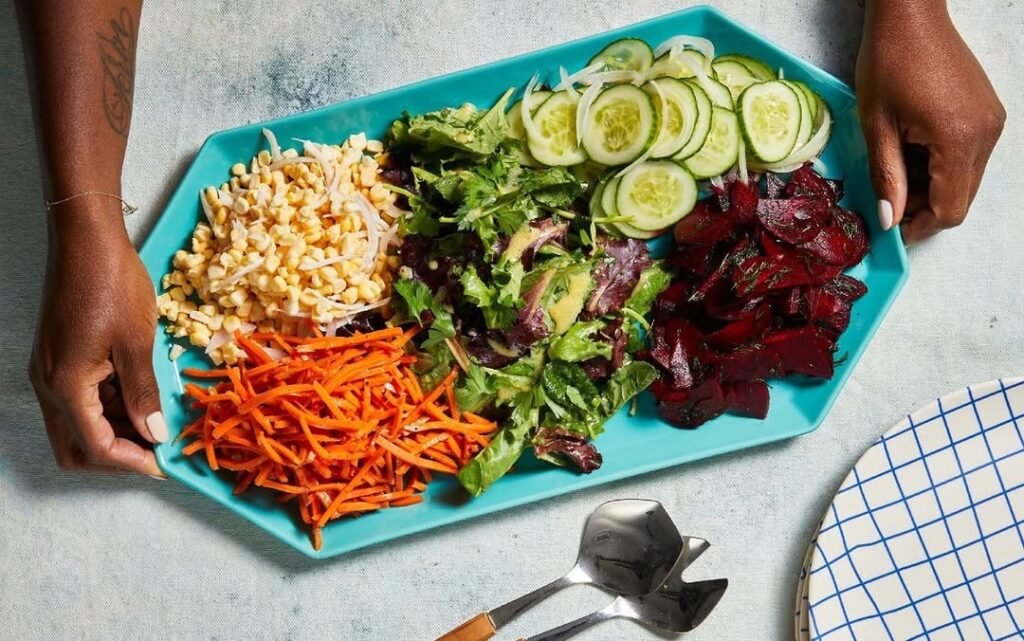
When I work with families, we often start by talking about what foods they grew up eating i.e. what’s traditional, what’s comforting. Once we name those, we can bring them back in. I might say, “You can absolutely have beans and eggs with a corn tortilla for breakfast—it’s delicious and nutrient-rich.”
From there, we look at cooking methods and access. Maybe it means using more herbs and spices, or swapping a cooking oil, or choosing “chef’s helpers” such as frozen, jarred, or canned ingredients with minimal additives, to make life easier. It’s not about erasing culture; it’s about updating recipes for how we live now.
I also talk a lot about celebration foods versus everyday foods. Fried chicken can be a celebration meal, it just doesn’t have to be an everyday one.
In your book Eating From Our Roots, you write about recipes and traditions from around the world. Why is it important for kids to see their own heritage reflected in healthy eating advice?
Because food is identity. It’s culture, community, and belonging.
When kids see their foods represented, it tells them their families and their cultures belong at the table. Too many children grow up hearing that their home foods “smell funny” or don’t fit into a certain idea of “healthy.” That kind of messaging erases identity.
Representation in food says: your heritage is valid. Your flavor and your story matter.
Many parents struggle to balance what’s healthy with what kids will actually eat. What advice do you have for families feeling stuck?
This is where I give some tough love: kids eat what we model. We often assume kids won’t like something, so we don’t serve it to them or try once then stop offering it. Then we turn around and serve them a “flavor bomb” and wonder why they reject it.
You have to start early and keep exposing them to that food and flavor, without pressure. Offer vegetables in different forms. Try canned, frozen, roasted, blended. Let them help cook. And eat it yourself. Kids notice what the adults at the table are doing more than what they’re told to do.

How do you approach picky eating in a way that keeps mealtime calm?
I’ll recommend it again—I follow Ellyn Satter’s model: the parent decides what, when, and where; the child decides if and how much.
If food insecurity isn’t a concern, it’s okay to trust that kids will eat when they’re hungry. Offer something familiar alongside something new. If access is limited, make sure there’s always at least one accepted food on the plate.
And remember that it can take 15 exposures for a child to accept a new food. Stay consistent, stay patient, and keep mealtime low pressure.
What’s one cooking skill every home cook should practice?
Knife skills 100%. If you can use a knife well, you can prepare almost anything, from vegetables to proteins to tofu. Invest in two great knives and learn how to use them. It’s the foundation for everything in the kitchen.
Final words of wisdom: How can families embrace cultural diversity at the table?
Eat your way through the world! Cookbooks, restaurants, street carts… whatever you have access to.
If you live in a city, explore neighborhoods like Chinatown, Koreatown, or Little India. Try the jollof rice spot down the street. If eating out isn’t in the budget, check out a cookbook or find recipes online. You can even grab prepared foods from a market and reheat them at home.
It’s not about perfection. It’s about curiosity and connection. Everyone eats, and everyone deserves to do it in a way that reflects who they are.
Follow Maya Feller Nutrition on Instagram @mayafellerrd
& Don’t forget to follow US on IG @onepotatobox ❤️
Note: This newsletter may contain affiliate links from our friends & sponsors.