This post contains affiliate links. If you buy through them, One Potato may earn a small commission at no extra cost to you.
Small Bites – Things we LOVE:
More Helping Hands in the Kitchen
Our favorite chef-parents always say: the best way to raise confident kids is to let them cook with you. That’s why we love Kids Cook Real Food — a virtual course that teaches kids real kitchen skills (without the stress).
👉 Check it out here and get those little hands stirring, slicing, and feeling proud.
Dinner Help, Written by a Fellow Mess-Maker
Ann Kent—dietitian, mom, and creator of Peas & Hoppy—has personally written and tested all 800+ recipes in her meal planning app (often with her toddler in tow). These flexible weekly menus are full of real-life solutions, picky eater tips, and just enough variety to keep dinner interesting.
👉 Try it free for 30 days – use code ONEPOTATO30
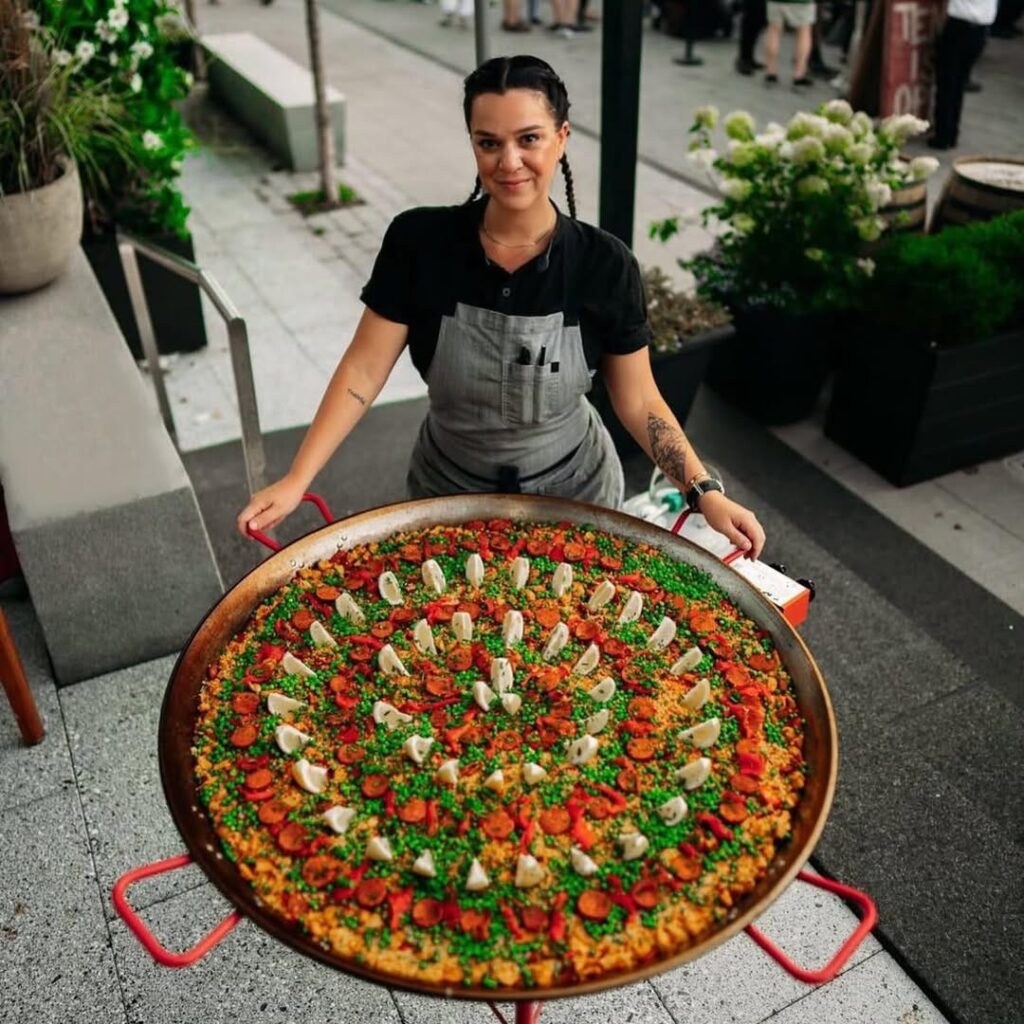
Celebrating Pride Month with Chef Tatiana, who is redefining family traditions—one dish at a time
As we wrap up Pride Month and look ahead to the anniversary of the Stonewall Riots on June 28, we’re honored to share a conversation with Chef Tatiana Rosana—a two-time Chopped champ, proud Cuban-American, wife, and mom to a curious, confident five-year-old named Arlo.
Born and raised in a traditional Cuban household in Miami, Tatiana grew up surrounded by the rhythms of family cooking: the sound of black beans hitting metal tins in her grandmother’s kitchen, the comfort of flan baked with love, and the sense that food was never just about eating—it was about memory, identity, and belonging. Today, she’s the executive chef at The Envoy Hotel in Boston and regional culinary director for a growing hotel group across New England. But at home, Tatiana’s cooking life is less about impressing critics and more about building sensory memories with Arlo—passing down cultural traditions, encouraging curiosity, and embracing the joyful chaos of kid-powered cooking.
In this interview, Tatiana reflects on what it means to raise a child in a two-mom household, how she brings representation into the kitchen, and why “queer food” is as much about safe spaces as it is about ingredients. She shares honest, funny, deeply rooted stories about picky eating, pressure from her immigrant family to follow a traditional career path, and the moment she traded pre-med for culinary school (spoiler: her dad’s reaction may surprise you). She also offers advice for home cooks, especially parents, who want to raise adventurous eaters without the pressure of perfection.
Whether you’re here for the cooking inspiration, the cultural connections, or just a little reminder that identity and family deserve a place at every table—you’ll find all that and more in Tatiana’s story.
A message from our friends Katie Kimball & Kids Cook Real Food.:
Want to Build Memories Together in the Kitchen – AND Raise a More Confident Cook? 🍳
We’ve heard it again and again from the chefs we’ve interviewed—some of the best food memories (and life lessons) start with kids helping in the kitchen. That’s why we’re big fans of Kids Cook Real Food, a self-paced course that makes it easy (and fun!) for your kids to learn real cooking skills, one safe step at a time.
Whether your kiddo is ready to crack eggs or just wants to stir the pancake batter, this course gives them the tools—and confidence—to help with dinner and feel proud of it.
👉 Explore the course here and bring more helping hands into the kitchen.
One Potato’s Order Up! Interview: Chef Tatiana Rosana
Introduce Yourself:
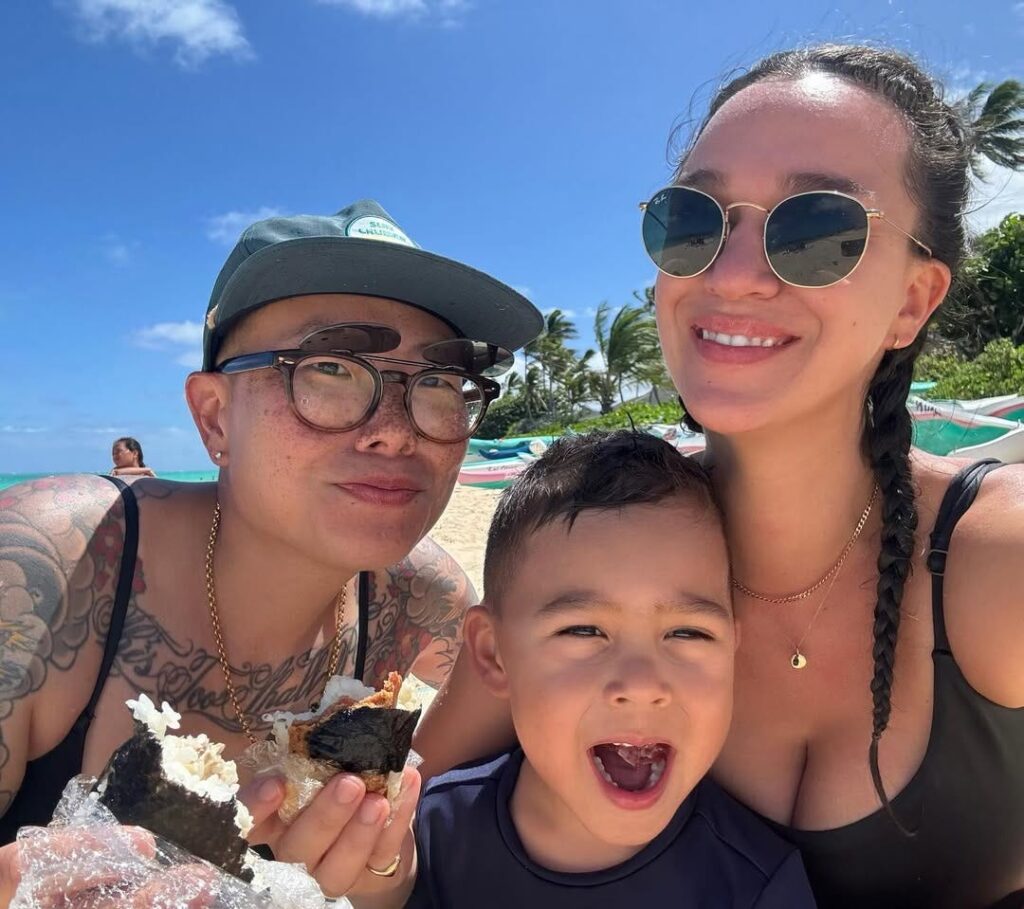
I’m Tatiana Rosana. I’m a chef, wife, and the mom to a gorgeous five-year-old named Arlo. I’m first-generation Cuban American, born and raised in Miami – now living in New England.
Arlo is 5 years old going on 25 – he’s fiercely independent—definitely knows what he wants!—and it’s funny watching him go head-to-head with my wife, Alexis, since they’re both so stubborn in the best way. I’m the executive chef at the Envoy Hotel in Boston and also the regional culinary director for our hotel group, so I oversee several properties in New England. Arlo’s kind of grown up in this world. He’ll come into the kitchen at the hotel and make his rounds, saying hi to the staff. Watching him be part of that has been such a joy. It means a lot to me that he sees me working—it helps quiet some of that working-mom guilt.

Happy Pride Month! What Does Queer Food Mean to You—and Why Do Safe Spaces Matter?
A thousand percent, queer food isn’t just food made by queer hands—though that’s certainly part of it. For me, it’s really about creating safe, joyful, affirming spaces for queer people and their families. It means being able to walk into a restaurant with my wife and son and not feel like the outsider.
There have definitely been times where we’ve gotten looks, or people have made assumptions—like, “oh, poor kid”—but I don’t think he’s a “poor kid” at all. I think he’s lucky to have two moms. Queer food is about belonging. It’s about being able to enjoy a meal together without feeling othered. And it’s not just for queer people—it’s for allies, for our kids, for everyone.
Right now, Arlo is starting to notice that not every family looks like ours, so we talk about it a lot. We ask him, “What do you say when someone asks if you have a dad?” And he says, “I don’t have a dad. I have two moms. That’s what makes me special.” And he means it. It makes me emotional just thinking about it, because he really believes it. And I believe it too. Creating safe spaces like that is what makes all the difference—for our kids and for ourselves.
How Has Representation Shaped Your Role in the Kitchen?
I didn’t always see myself as someone who’d be out front using my voice. I was a pretty shy, introverted person for a long time. But over time, I realized that staying quiet in this industry would be a disservice—to women, to moms, to Latinas, to queer folks. So I made the shift. Now, I try to be as open and visible as I can—not for attention, but because we exist and we matter, and we need to be seen.
When I was six months pregnant, I went on Chopped. People were like, “Are you sure? That’s such an intense day.” And yeah—it was a lot. But I felt like I had to do it. One of the judges even asked, “So, are you going back to work after you have the baby?” I was like, would you ask a man that same question? Of course not. That’s exactly why I went on the show—because pregnant people are in kitchens every day. We’re here. And we deserve to be seen.
Did You Always Know You Wanted to Be a Chef?
Not at all. As a first-generation American, there was a lot of pressure to succeed in a traditional way. My dad immigrated from Cuba and became a doctor, and I think I felt like I had to follow in those footsteps. I went to school for pre-med, and I was miserable.
Eventually, I had what I call my “quarter-life crisis.” I called my dad—it was one of the scariest conversations I’ve had, besides coming out. I told him I couldn’t do it anymore. And he said something that changed my life. He said, “You’ll be good at whatever you put your head into, but you’ll be great at what you put your heart into. I don’t care if you want to sell hot dogs—just be the best hot dog vendor out there.”
That’s when I knew I wanted to be in the kitchen. All my best memories were there. I wanted to create those memories for other people. So I went to culinary school, and the rest is history. I tell that story to people I mentor now, especially those who feel like they’re falling apart. Because sometimes that breakdown leads to a beautiful life.
Do you have any early food memories from your own childhood?
Oh, absolutely. I’m first-generation Cuban-American, born and raised in Miami in a very Cuban household and community. Food was always at the center of everything—celebrations, mourning, everyday life. One of my most vivid memories is sitting around my grandmother’s kitchen table with my cousins when I was about Arlo’s age. We’d help sort black beans, making sure there were no rocks or bad ones, and drop them into these big, empty saltine cracker tins. I’ll never forget the sound of the beans hitting the tin—like a little chorus of pings. That moment taught me food isn’t just about flavor or smell—it’s sensory, emotional. It’s sound, touch, memory. That’s what I hope Arlo experiences too..

How do you bring that same emotional connection to your cooking today—especially in your restaurants?
I think about nostalgia a lot. Everyone has different food memories, but my goal is to make people feel something familiar—like, “This reminds me of home,” or “This tastes like something my grandmother used to make.” I always say, technical skill is great, but if there’s no love behind it, you can tell. That’s actually what inspired me to write a children’s book called Arlo and the Secret Ingredient [Get it on Bookshop or Amazon]. It’s about Arlo trying to figure out what makes food taste special at a family reunion. Spoiler: it’s love.
You and your wife bring different cultures to the table—Cuban and Korean. How do you share those traditions with Arlo?
We cook a lot from both sides. If we’re making Tteokguk, the Korean New Year soup with coins of mochi, we tell him why it’s lucky. If we’re making black beans, I share stories about my grandmother. We’re not giving full-on history lessons, but we do want him to understand where the food comes from and why it matters. We just visited Alexis’s family in Hawaii for the first time, and Arlo wanted to try everything—poi, poke, all of it—because he’d heard us talk about it for so long. That made my heart so full.
Is there a dish from your own culture you’re especially excited to pass down?
Definitely flan. Or tres leches. But flan in particular, because my mom made it all the time growing up. Baking is great with kids—less fire and fewer sharp knives—so it’s easier to involve him. He’s still learning to love the texture of flan, but he’s curious, and that’s enough for me. If he wants to help whisk or just take one little bite, that’s a win.
For parents who aren’t chefs, what’s one simple way to foster that connection to food at home?
Let your kids into the kitchen. It can be messy. It’ll slow you down. But that’s the point. Kids are way more capable than we give them credit for. Once Alexis and I started cooking with Arlo, we had to adjust to his pace—but it made us appreciate the process so much more. He gets to smell, touch, and taste everything. Sure, he’s a kid—he’d live on chicken nuggets if we let him—but giving him that sensory access has helped him be more adventurous.
Did he go through a picky phase?
Definitely. When we first introduced solids, he ate everything—lamb chops, sardines, the works. But around three, he realized he could say no, and everything changed. Now we’re in this sweet spot where he knows what he likes, but he’s willing to try new things. That’s really all I ask.
Do you remember having your own picky eater phase?
I was so picky growing up. I basically lived on Kraft mac and cheese and chicken noodle soup. One time, my cousins went fishing and brought back red snapper. I’d never eaten fish—it was a hard no for me—but they dared me to try it. I don’t say no to a dare. I took one bite and was like, Wait—food can taste like this? From that day on, I wanted to try everything.
Peer pressure can be powerful when it comes to food, right?
Totally! That’s why I use lunchboxes strategically. I’ll sneak in something new because I know if Arlo sees his friends eating it, he’s way more likely to try it. It’s subtle, but it works.

How Can Home Cooks Tackle ‘Fancy’ Meals Without Fear?
Don’t let a dish intimidate you just because it sounds fancy! I love taking something like paella—a dish that sounds complicated—and helping people break it down. At the end of the day, it’s a rice dish. It’s comforting and homey and totally doable. I want people to feel confident cooking beautiful meals at home, even if they’re new to the kitchen. Just break it into steps. It doesn’t have to be perfect. It just has to be yours.
How has becoming a parent changed the way you cook, at home or professionally?
In a big way. Most restaurants aren’t designed for kids. Kids’ menus are usually just buttered noodles and chicken fingers. When I’m creating menus, I think about Arlo—I still offer the classics, but I also include salmon, steak, roasted chicken, things that are flavorful and healthy. At home, it’s about having fun, embracing the mess, and letting go of perfection. He might only eat a quarter of a $50 steak, but hey—that’s what he wanted!
Why Is It So Important to Teach Kids Where Their Food Comes From?
I’m really passionate about this. Arlo loves being in the kitchen. We grind our own meat at home, and he helps with that. He has a kid-safe knife, and he’s learning how to use it safely. I know that makes some people uncomfortable—I get comments online like, “Does he know that meat comes from animals?” And yes. Of course he does. We talk about that openly.
I think it’s so important that kids learn where their food comes from. That they respect it. That they understand it. We take him to farms. We let him get his hands dirty. I want him to grow up knowing food isn’t just something that appears on a plate—it has a story, and a life, and people behind it. The lessons he’s learning now will stay with him forever.
One Last Thing—What Do You Hope Families Take Away From Your Story?
Get your kids involved. Let them help. Let them ask questions. Let them know. Don’t shy away from hard conversations. Be proud of who you are and where you come from, and teach them to be proud too. There’s so much beauty in the kitchen—so much connection. That’s the heart of it for me.